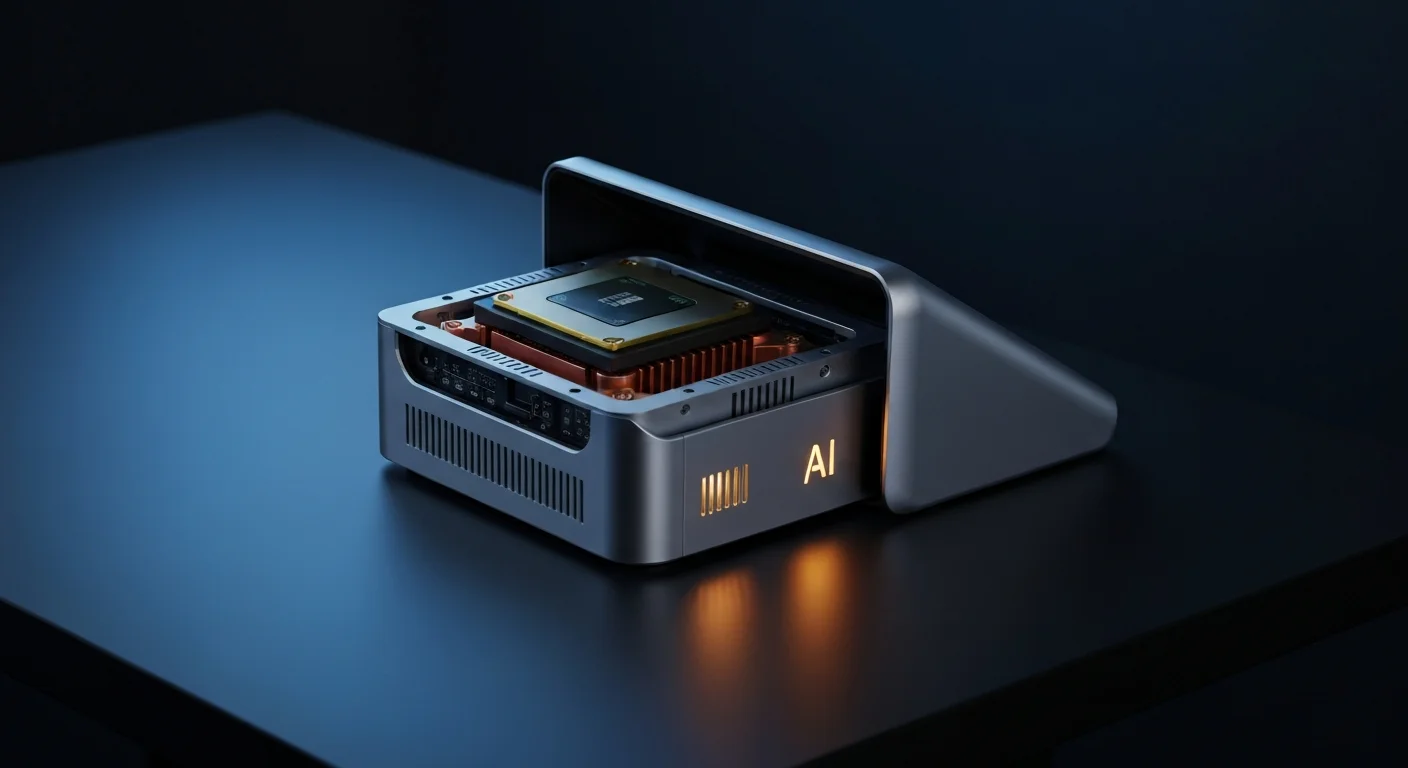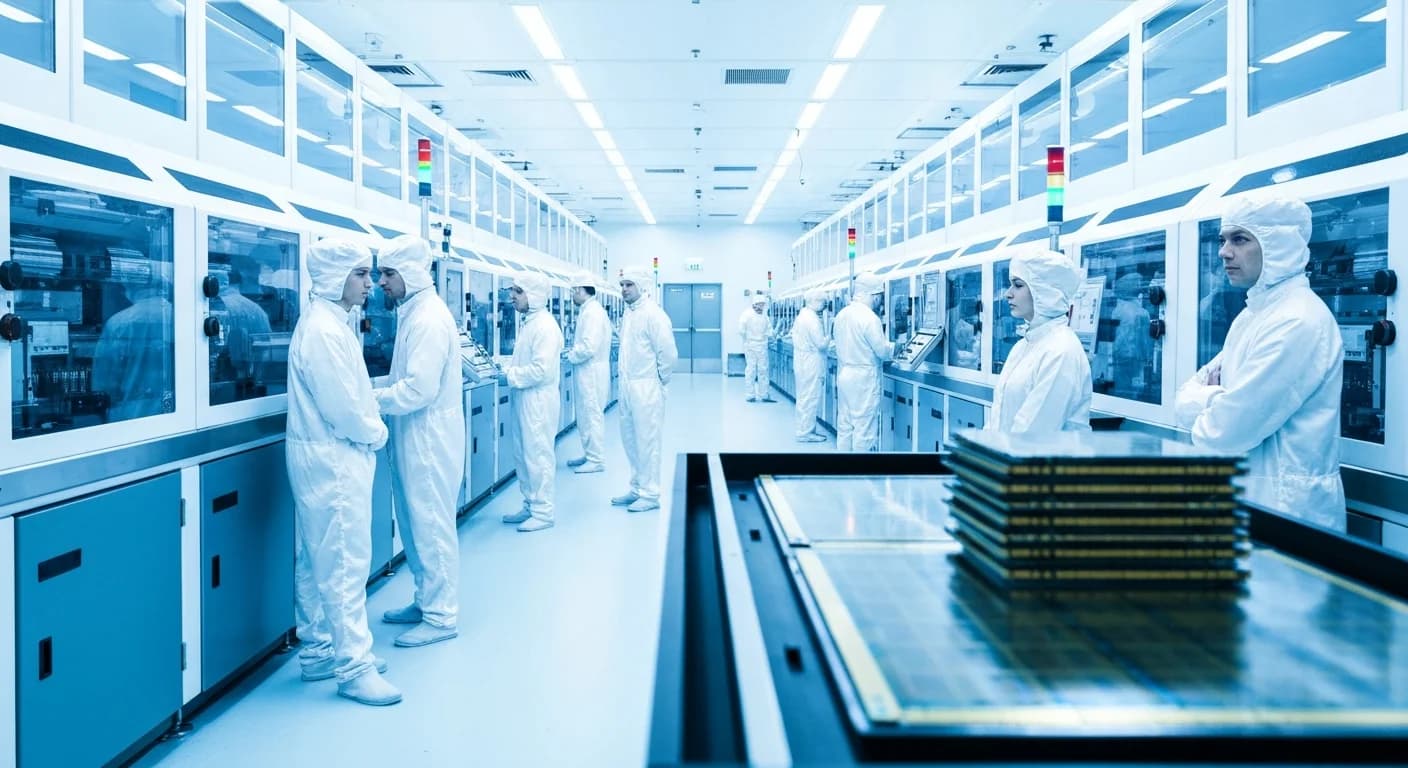
AMD is committing more than $10 billion across Taiwan's semiconductor ecosystem, a spend aimed squarely at the advanced-packaging and rack-scale integration choke points that now gate AI accelerator supply. The company framed the investment around scaling packaging manufacturing, deepening R&D, and qualifying next-generation interconnects with Taiwanese partners — not building a fab of its own.
The announcement landed via AMD's newsroom and GlobeNewswire on May 20–21, timed to a whirlwind Taiwan visit by CEO Lisa Su ahead of Computex 2026 (June 2–5). Reports describe a meeting with TSMC's C.C. Wei to accelerate the 2nm roadmap.
Packaging is the bottleneck, not transistors
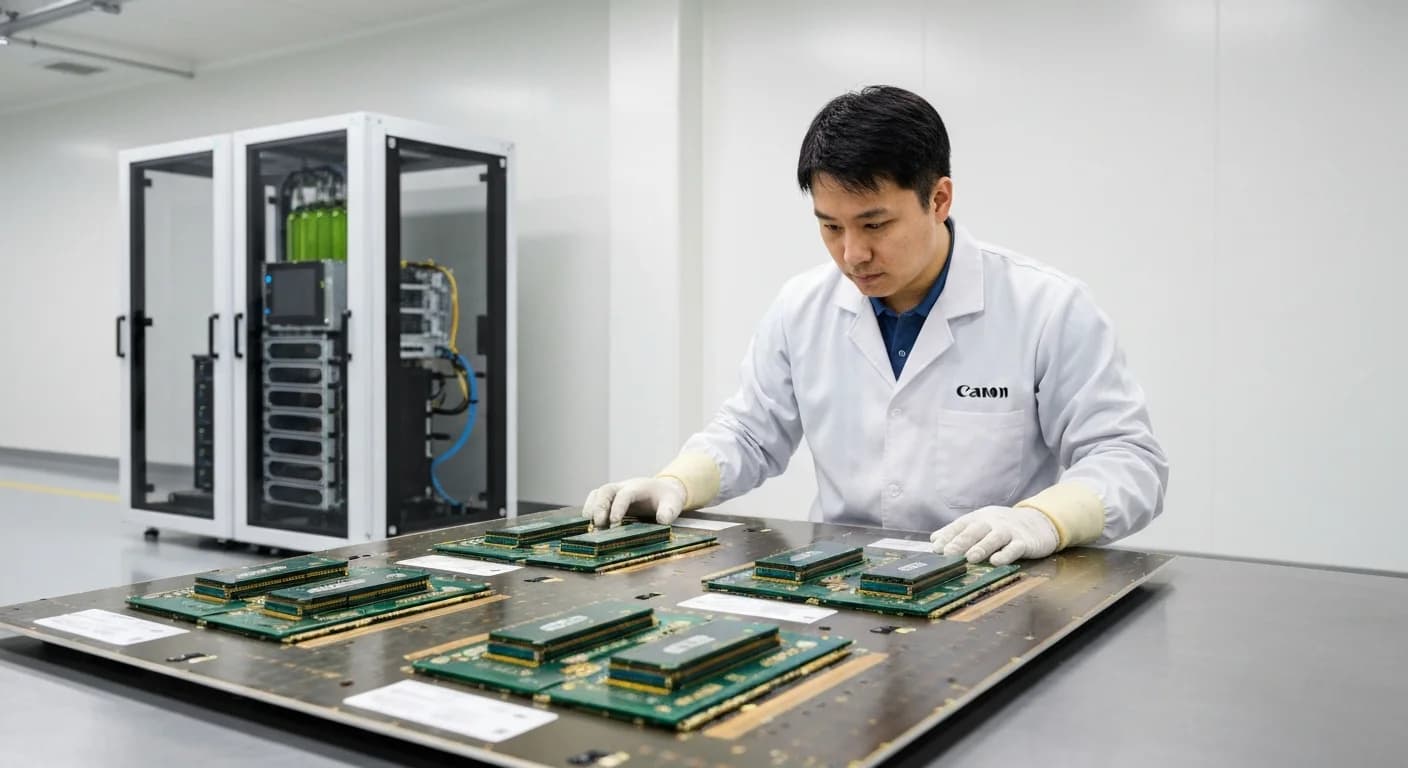
The headline technical commitment is Elevated Fanout Bridge (EFB), a 2.5D bridge interconnect AMD is co-developing with ASE and SPIL to raise bandwidth between compute dies and HBM while improving power efficiency. AMD says it qualified the industry's first 2.5D panel-based EFB with Powertech Technology (PTI) — shifting from round wafers to rectangular panels, which fit more dies per substrate and improve yield economics at high volume.
That matters because advanced packaging — CoWoS-class capacity and the HBM integration around it — has been the binding constraint on shipping accelerators, more than raw lithography. Spreading volume across ASE, SPIL, PTI, Sanmina, Wiwynn, Wistron, and Inventec is an explicit attempt to widen that pipe.
Venice on 2nm, Helios into hyperscale
AMD also confirmed its 6th-gen "Venice" EPYC has entered production on TSMC's 2nm process — which AMD calls the first high-performance-computing product on the node — with future production planned at TSMC's Arizona facility. Venice anchors Helios, AMD's fully integrated rack-scale platform pairing the CPUs with MI450-class GPUs, slated for deployment starting in 2H 2026 for large-scale agentic and hyperscale workloads.
"As AI adoption accelerates, our global customers are rapidly scaling AI infrastructure to meet growing compute demand," Su said. "By combining AMD leadership in high-performance computing with the Taiwan ecosystem and our strategic global partners, we are enabling integrated, rack-scale AI infrastructure."
What changes for buyers
The strategic read is that AMD is no longer selling chips against Nvidia — it's assembling a credible rack-scale alternative to the NVL72 stack, and locking in the packaging and ODM supply needed to ship it in volume. For infra teams evaluating 2H 2026 capacity, Helios becomes a real second-source line item rather than a roadmap promise, and panel-based EFB is a signal that AMD intends to fight the supply war where it's actually fought: in the substrate, not the core. The open question is whether ecosystem capacity ramps fast enough to convert design wins into deployed gigawatts before Nvidia's Rubin generation widens the gap again.