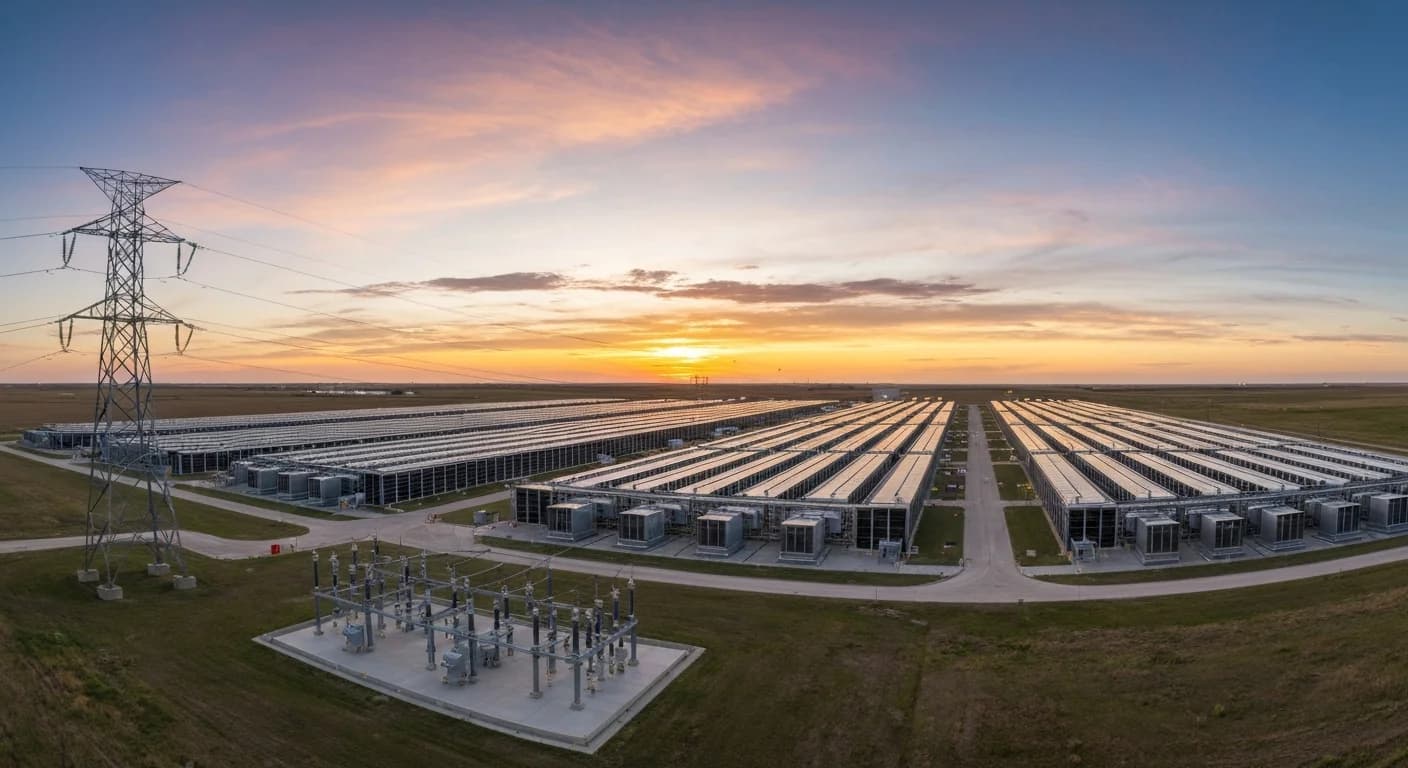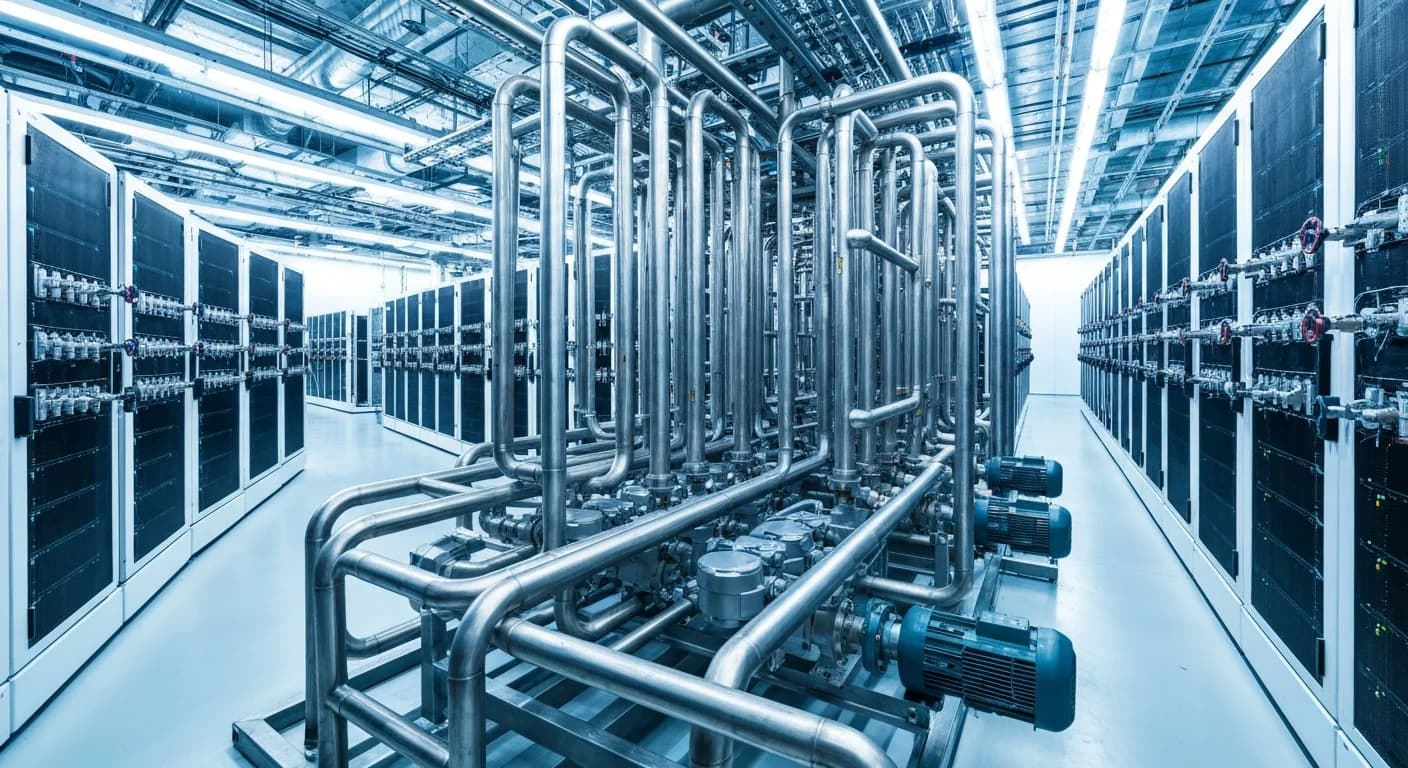
Deep Fission filed its S-1 on May 20 to raise roughly $156 million on the Nasdaq under ticker FISN, selling 6 million shares at $24–$26 each for a valuation of up to $1.66 billion. The pitch: small modular reactors buried a mile underground to feed the power-starved AI data center buildout. It is the Berkeley company's second run at the public markets in under a year.
The deal mechanics
This is not Deep Fission's first listing. In September 2025 it completed a reverse merger with shell company Surfside Acquisition Inc., raising $30 million at $3 per share on the OTCQB — but the stock never actually traded. Between that SPAC route and this fresh IPO, the company closed an $80 million financing round in February 2026 that included $20 million from Blue Owl Capital, alongside a non-binding MOU for future power plants. Founders Richard A. Muller, a physicist, and his daughter Elizabeth "Liz" Muller — who previously built Deep Isolation and Berkeley Earth — are backed by Joe Lonsdale's 8VC.
What the reactors are supposed to do
Deep Fission's Gravity Nuclear Reactor is a small modular reactor designed to sit roughly one mile underground in deep boreholes, using surrounding rock for natural containment and shielding instead of large above-ground structures. The flagship DFBR-1 is a pressurized water reactor rated at 15 MWt / 5 MWe with a 10-to-20-year fuel cycle. Its anchor commercial relationship is a co-development deal with Endeavour to deliver 2 GW of nuclear capacity for Endeavour's Edged AI data centers — targeting 5–7 cents per kWh of zero-carbon continuous power, with first reactors expected operational in 2029. Deep Fission was also selected for the U.S. Department of Energy's reactor pilot program.
The numbers underneath
The financials are the harder read. The company is pre-revenue, its accumulated deficit grew to $88.1 million by March 2026 from $56.2 million, and the S-1 carries a going-concern warning: without completing the IPO, Deep Fission could run out of money within 12 months. Drilling on the first of three planned test wells began in March 2026, but that bore is just 8 inches wide; commercial reactors need holes 30–50 inches in diameter and a mile deep, dimensions the company has not finalized. The previously stated July 2026 criticality target has been replaced with no estimate. TechCrunch's Tim De Chant noted the S-1 "is arguably bleaker than the one outlined in the December filing," and that until the company knows how large a hole it can drill, "it'll have a hard time finalizing its reactor design."
Why it matters for AI infra
Power, not silicon, is the binding constraint on hyperscale buildouts, and SMRs are the speculative long bet to relieve it. But this filing is a reminder that most of that capacity is still paper. Rival X-energy is generating revenue and sits further along in NRC licensing. For enterprise buyers signing multi-year power commitments, the lesson is to weight contracted-and-permitted megawatts over announced gigawatts — a 2029 first-reactor date and an unfinalized borehole spec are not grid capacity you can schedule training runs against.