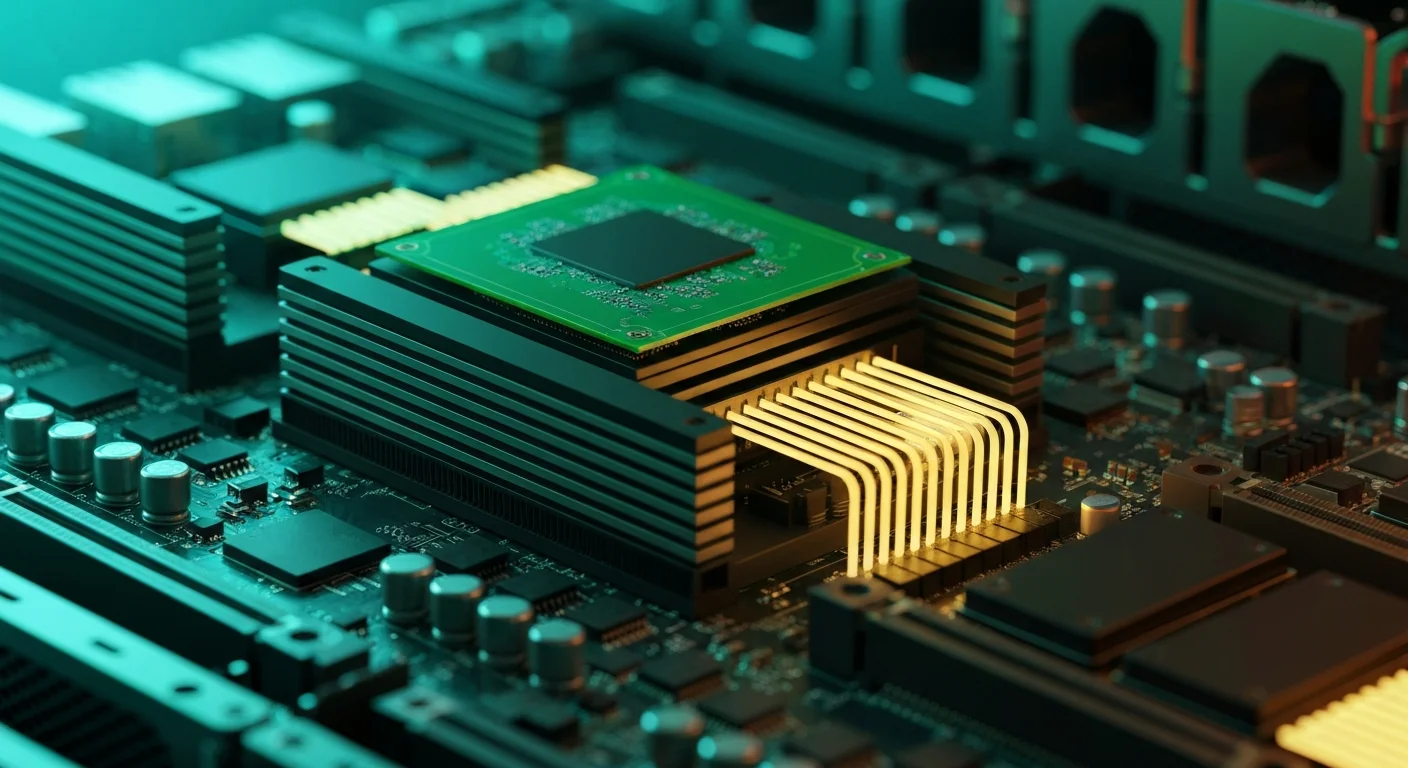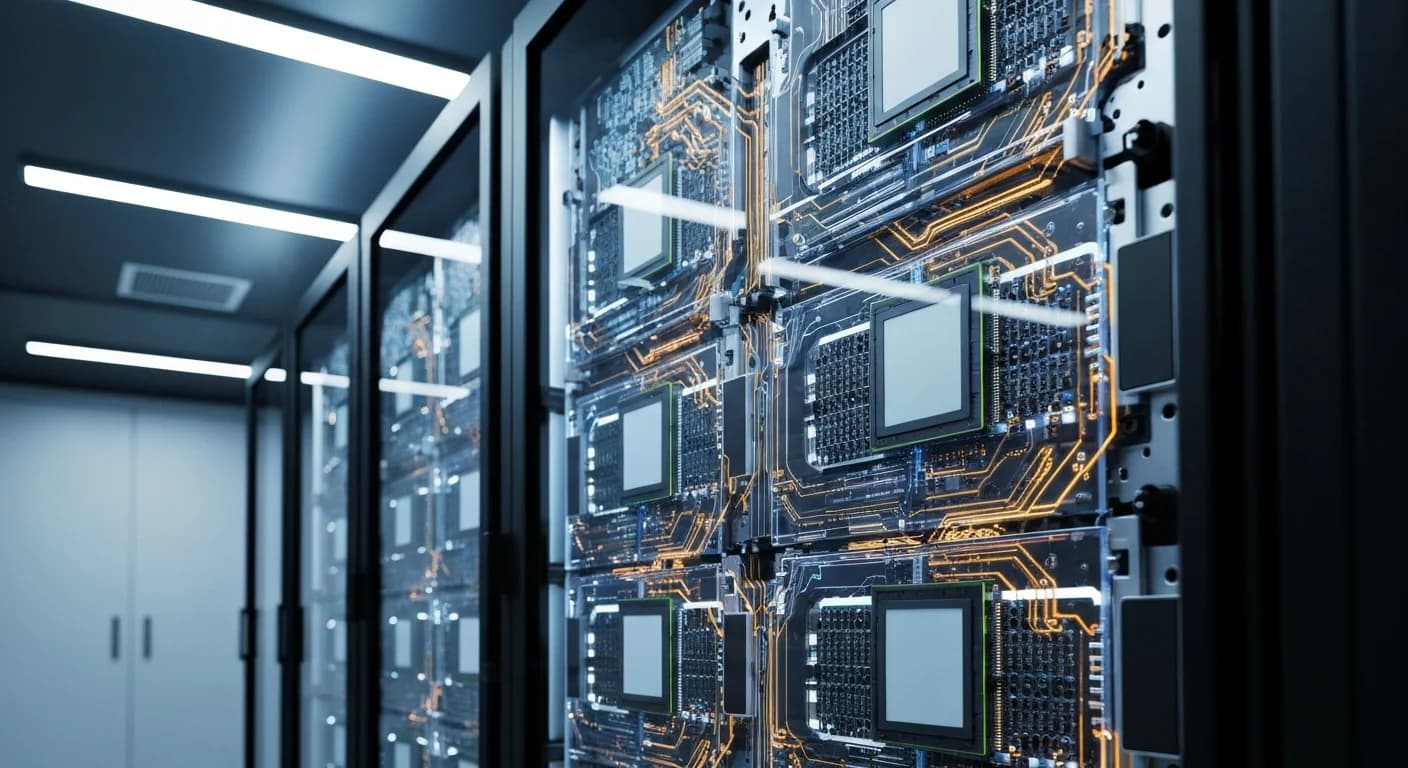
Chinese AI lab DeepSeek is preparing to launch its next-generation V4 model entirely on Huawei's latest Ascend 950PR processors, according to a report from The Information citing five people with direct knowledge of the plans. The move represents the most significant step yet by a leading Chinese AI company to sever its dependence on Nvidia hardware.
Major Chinese technology firms — including Alibaba, ByteDance, and Tencent — have reportedly placed bulk orders for the Huawei chip totaling hundreds of thousands of units, signaling broad industry commitment to a domestically sourced AI compute stack.
A Ground-Up Rewrite
The transition to Huawei silicon was not a simple port. DeepSeek spent months collaborating directly with Huawei and chip design firm Cambricon Technologies to rewrite major components of V4's underlying architecture, reimplementing core code to run efficiently on non-Nvidia hardware.
The company is also developing two additional model variants alongside V4, each optimized for specific use cases and built from the ground up for Chinese-made processors. All three variants are expected to launch in the coming weeks.
Breaking With Industry Norms
In a notable departure from standard practice, DeepSeek reportedly granted early access to its domestic chip suppliers but did not extend the same access to US chipmakers. Previous DeepSeek models, including V3 and the reasoning-focused R1, were developed and trained primarily on Nvidia hardware — making V4 a deliberate strategic pivot.
The shift comes as US export controls continue to tighten the supply of advanced AI semiconductors to Chinese companies. Washington's restrictions, which have escalated through multiple rounds since 2022, have pushed Chinese AI labs to accelerate homegrown alternatives.
Market and Geopolitical Implications
The announcement sent Cambricon Technologies shares up 2.67%, while Alibaba dipped 1.36% in US trading and 1.49% in Hong Kong.
For Nvidia, the implications are sobering. If DeepSeek can demonstrate competitive performance on Huawei hardware, it validates China's ability to build a self-sufficient AI compute ecosystem — potentially reducing the long-term leverage of US export controls. DeepSeek's earlier models already rattled global markets; its V3 and R1 releases triggered sharp selloffs in tech stocks by demonstrating that Chinese labs could match Western frontier capabilities at a fraction of the cost.
For the broader AI industry, the V4 launch will serve as a critical benchmark. If Huawei's Ascend 950PR can support training and inference at scale for a frontier model, it could accelerate the bifurcation of the global AI supply chain into US-aligned and China-aligned hardware ecosystems — a scenario that semiconductor analysts have warned about but few expected to materialize this quickly.