Google rolled out a major upgrade to AI Mode in Chrome this week, letting users keep its conversational assistant open beside a web page rather than bouncing between tabs. The redesign lands as Google races to fold Gemini deeper into the everyday browsing surface that still drives the bulk of its ad business.
Side-by-side browsing
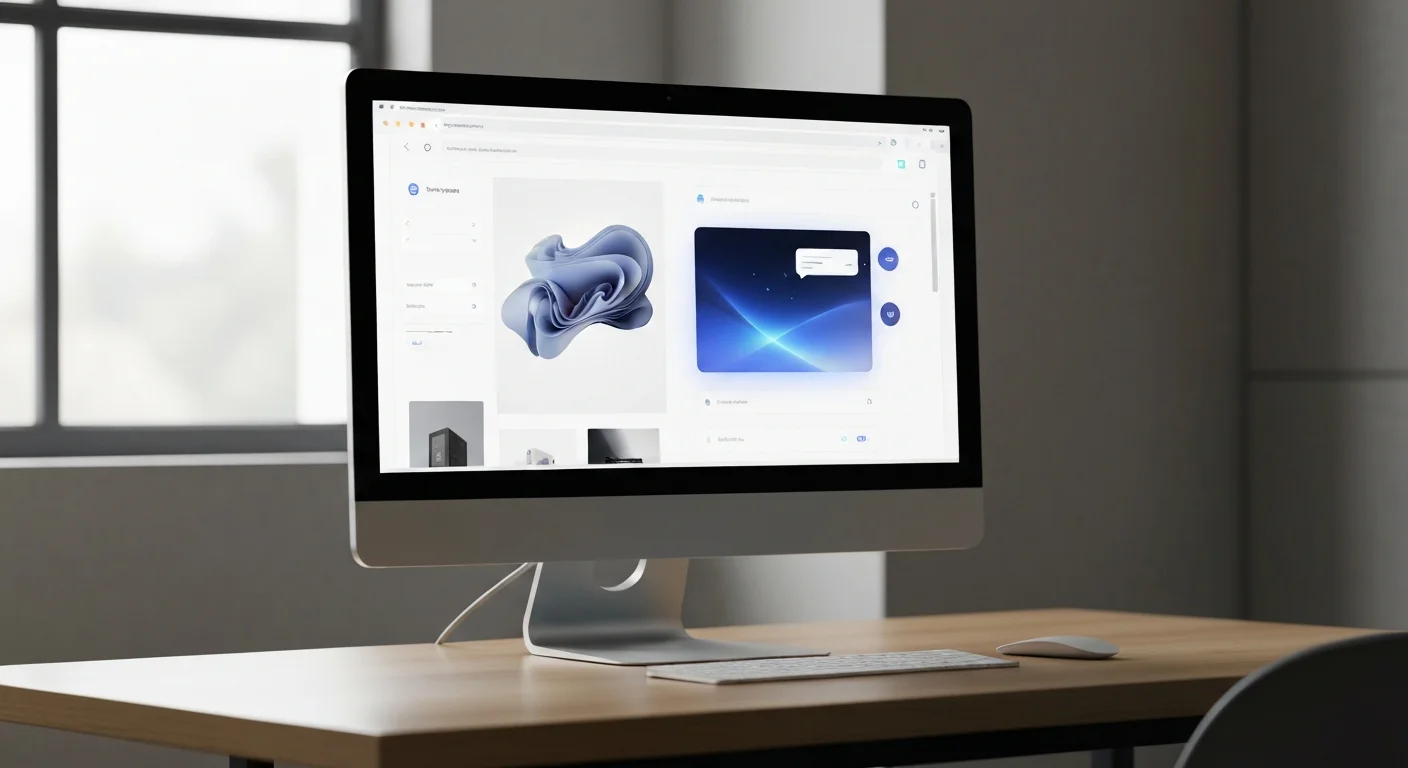
With the update, clicking a link from AI Mode opens the destination page alongside the AI panel instead of replacing it. Users can keep asking follow-up questions about the page they are looking at without losing context, a workflow Google says early testers preferred over the constant tab-swapping that defined earlier versions.
In its launch post, Google said "early testers loved that they didn't have to constantly switch tabs to get help with a comprehensive article or a long video." Shopping comparisons, multi-source research, and topic exploration were highlighted as the headline use cases.
Multi-tab and multi-file queries
The second piece of the rollout is multi-tab search. AI Mode can now query across recently opened Chrome tabs on both desktop and mobile, and a single prompt can combine multiple tabs, images, and PDFs. That moves Chrome closer to the kind of cross-context reasoning that has so far been the territory of standalone tools like NotebookLM.
A new plus menu inside AI Mode also exposes Canvas and image creation, putting Google's generative tools one click away from the page a user is reading.
Skills round out the package
The browsing changes build on the Skills feature Google introduced for Chrome a few days earlier, which lets users save favorite AI prompts as reusable one-click workflows that run across different web pages. Together, the two updates push Chrome from a passive viewer to something closer to an action layer over the web.
Why it matters
For Google, the AI Mode upgrades are an attempt to defend Chrome's role as the default entry point to the internet at a moment when AI-first browsers and assistants are trying to displace it. Keeping the AI conversation pinned next to the live web page is a direct response to the side-by-side patterns popularized by Perplexity's Comet and Microsoft's Copilot in Edge.
For publishers and retailers, the implications are more uncomfortable. AI Mode now answers follow-up questions using both the page content and external sources, meaning a shopper can stay inside Google's surface while still extracting product details from a retailer's site. Whether that drives more click-through or simply intercepts more intent will depend on how aggressively Google expands the feature beyond the United States, where it launched first.
The rollout marks Chrome's most visible AI integration since Gemini was wired into the browser's address bar, and signals that Google is willing to reshape its flagship product around an assistant rather than a search box.