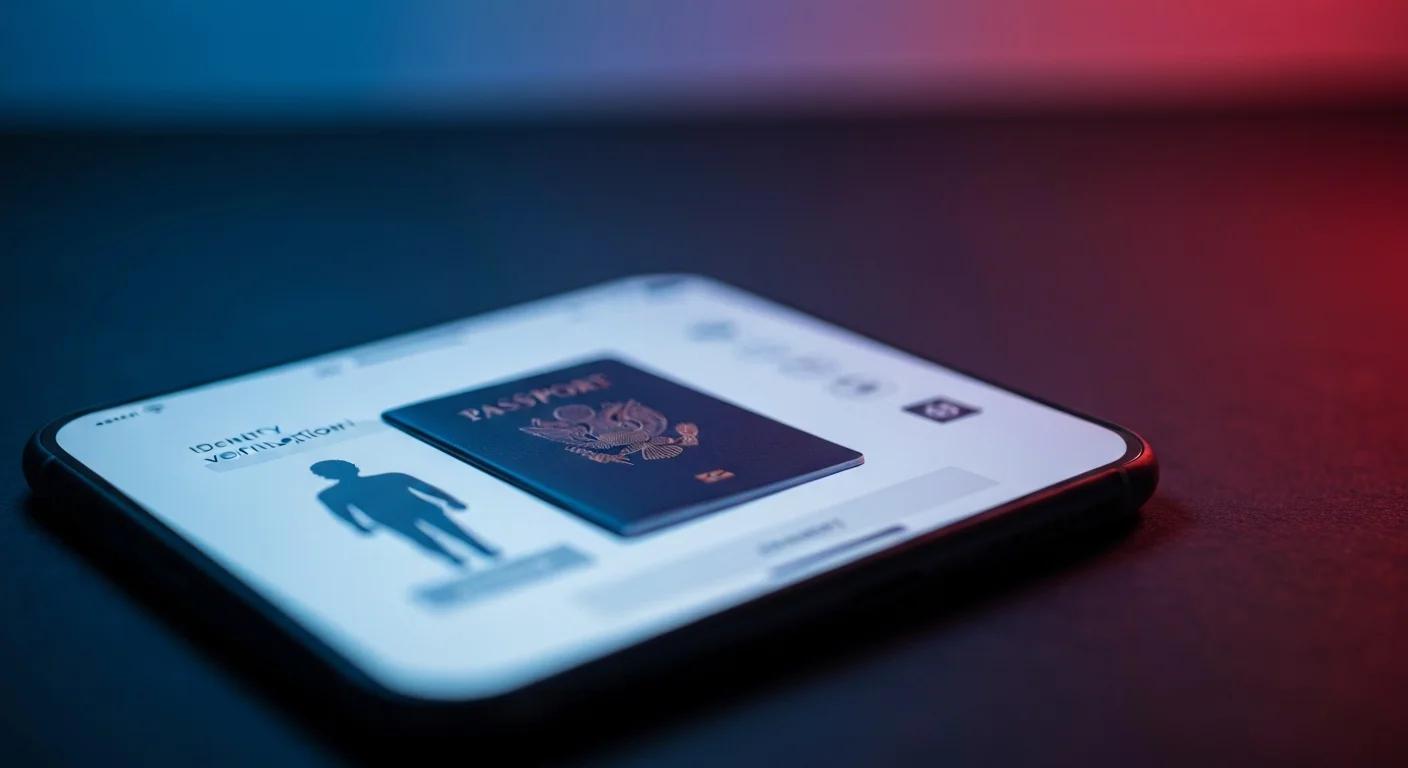
YouTube on April 21, 2026 opened its AI-powered likeness detection tool to the entertainment industry, giving celebrities, talent agencies, and management companies a Content ID-style system for finding and removing deepfakes made in their image. The move is the platform's most aggressive step yet toward putting the burden of synthetic-media enforcement directly into the hands of the people most often impersonated.
YouTube says the expansion was shaped with input from four leading talent representatives: agencies CAA, UTA, and WME, plus management firm Untitled. Those firms collectively represent a large share of working actors, directors, and musicians, many of whom have spent the past year dealing with a rising tide of AI-generated videos using their faces without permission.
How the Tool Works
According to YouTube's announcement and TechCrunch reporting, likeness detection operates similarly to Content ID, the copyright-matching system YouTube built for music and film. Enrolled participants provide reference imagery of their face. The system then scans uploads for AI-generated content that matches, and surfaces potential hits in a dashboard.
From there, the enrolled user has three choices: request removal on privacy grounds, submit a copyright takedown, or leave the video alone. YouTube notes it will not automatically remove every match because parody and satire are still permitted under its community rules. The company has also said audio likeness detection is on the roadmap, though it is not live yet.
Importantly, users do not need to have their own YouTube channel to enroll. That opens the system to A-list talent who rarely post on the platform but whose faces are routinely cloned into unauthorized videos.
A Staged Rollout Finally Reaches Hollywood
The entertainment-industry launch is the latest step in a carefully staged rollout. YouTube first announced a CAA partnership in December 2024, expanded the pilot to a handful of top creators in April 2025, officially rolled the tool out to eligible YouTube Partner Program creators in October 2025, and extended it to politicians, government officials, and journalists in March 2026. Celebrities were the most anticipated expansion because they are also the most frequent subjects of high-quality synthetic video.
YouTube has said that even as detection has broadened, the absolute number of takedowns has remained small. That suggests either that the tool is catching a narrow slice of true violations or that the volume of high-fidelity deepfake impersonation on the platform is lower than headlines might imply. Either way, giving agencies a self-service enforcement mechanism is likely to accelerate removals.
Policy Context
The announcement lands as Congress continues to debate the NO FAKES Act, a federal bill that would regulate unauthorized AI recreations of a person's voice or visual likeness. YouTube has publicly backed the legislation, and Tuesday's launch effectively hands Hollywood agencies a working playbook for the kind of takedown regime the bill would formalize.
For platform peers, the move raises pressure. TikTok, Meta, and X all host synthetic media at scale but none has shipped a Content ID-grade likeness system open to agencies. If YouTube's rollout produces visible wins for talent, expect the agencies now at the table — CAA, UTA, WME, and Untitled Management — to demand comparable tooling across the industry.