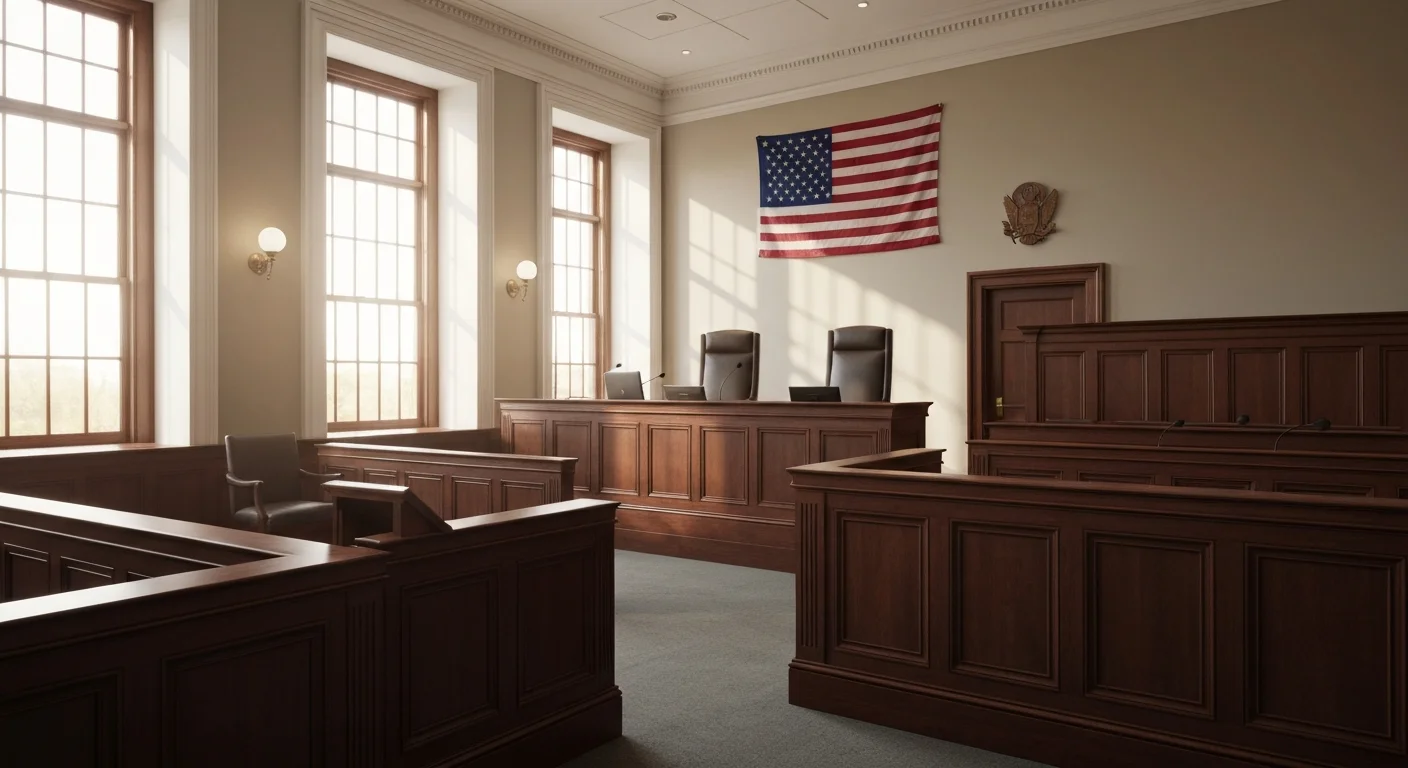
Jury selection began Monday morning in U.S. District Court in Oakland, opening one of the most closely watched corporate trials in tech history. Elon Musk's case against Sam Altman, Greg Brockman, and OpenAI heads to trial after roughly two years of pretrial maneuvering, with the AI lab's nonprofit-to-for-profit conversion now the central question for U.S. District Judge Yvonne Gonzalez Rogers and a nine-person jury.
A narrowed case lands in court
Musk's original lawsuit included 26 claims and an asserted exposure that reporting has variously placed at $134 billion to $150 billion. Pretrial rulings whittled that down dramatically. Days before opening, Musk dropped his fraud claims, leaving two surviving counts: breach of charitable trust and unjust enrichment. The case is now in equity jurisdiction, which means any disgorgement amount will be decided by Judge Gonzalez Rogers rather than the jury — a structural choice that reshapes how each side will argue damages.
The mechanics of day one
The court has seated nine jurors with no alternates, a lean panel for a four-week trial that will hear from a long list of senior tech executives. Opening statements are slated for Tuesday, April 28. Reporting on the schedule indicates the trial will run Monday through Thursday from 8:30 a.m. to 1:40 p.m. PT, with each side receiving roughly 20 hours of trial time and Microsoft — a non-party with a major commercial stake — allocated about 5 hours.
Witnesses on the list
Musk and Altman are both expected to take the stand. Reporting also flags potential testimony from Microsoft CEO Satya Nadella, current and former OpenAI board members, and senior AI researchers from both sides. Brockman's 2017 personal diary, in which he wrote that the team had "committed to non-profit" only to pivot toward a B-corp structure months later, has been highlighted in the lead-up as a key documentary exhibit.
Why the case matters for AI
The trial is narrow on paper but wide in implication. OpenAI's transition out of a pure nonprofit governance model underwrites much of its access to capital — including the $122 billion funding round announced earlier this year and the company's reported steps toward a public listing. A finding for Musk on either surviving claim could unsettle assumptions about how AI labs founded as research nonprofits can restructure once their work becomes commercially valuable.
Microsoft's allotted argument time underscores how much commercial infrastructure now sits on top of OpenAI's corporate form. Cloud commitments, model exclusivities, and downstream enterprise contracts all flow through the for-profit entity whose legitimacy is the subject of this trial.
What to watch this week
With jury selection underway Monday and opening statements set for Tuesday, the first substantive testimony is expected within days. The bench-decided remedy phase — should the jury find liability — will follow under equity rules. Both sides have indicated the courtroom phase should conclude by late May.