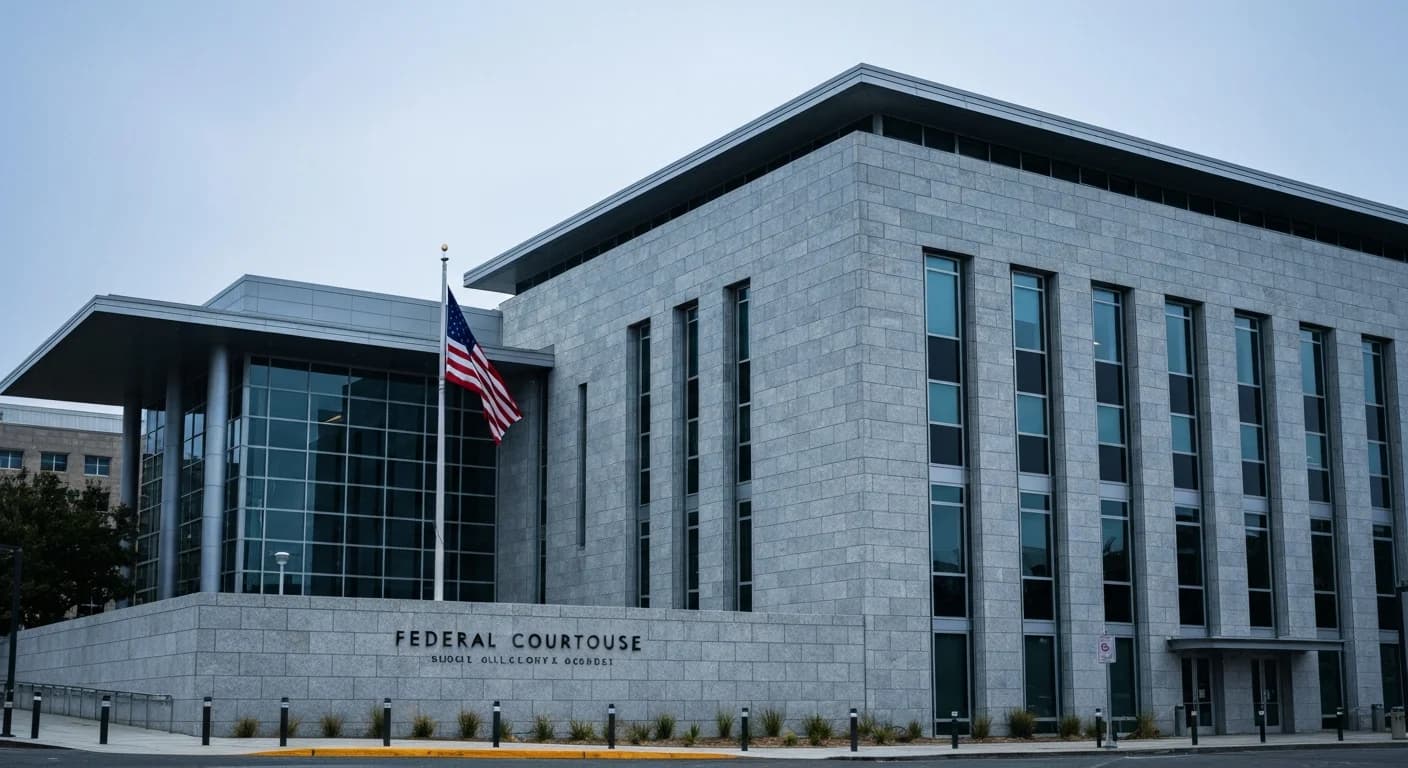
The federal courtroom in Oakland was packed again on Wednesday morning as the Musk v. Altman trial entered its third day, with Elon Musk preparing to face cross-examination over his account of OpenAI's founding and the financial commitments he made to it. Once Musk steps down, Jared Birchall — the head of Musk's family office, Excession LLC, and the CEO of Neuralink — is expected to take the stand. According to live coverage from CNBC and CNN Business, Birchall's testimony will focus on the wire transfers Musk personally directed to OpenAI between 2016 and 2020.
What's expected on day three
Musk testified for nearly two hours on Tuesday, telling jurors he founded OpenAI as a nonprofit, open-source counterweight to Google after a clash with co-founder Larry Page that he characterized as a dispute over AI safety. Wednesday's session begins with cross-examination by OpenAI's defense team, who are likely to press Musk on his own attempts to take control of the company and his eventual departure from its board in 2018.
Musk's lawyers told Judge Yvonne Gonzalez Rogers earlier this week that Birchall would be the next witness called. Birchall's role is unusually central for a non-engineer in an AI trial: he runs the personal financial machinery behind nearly all of Musk's holdings, which is why his name surfaced repeatedly in Musk's own testimony when discussing the mechanics of the funding.
The legal theory
The plaintiff's case rests on two claims: breach of charitable trust and unjust enrichment. Musk's team is arguing that the roughly $38 million he contributed to OpenAI established a charitable trust requiring the organization to remain a nonprofit pursuing open-source AI research — and that the 2019 conversion to a capped-profit structure breached that trust.
The relief sought is dramatic. Musk is asking the court to remove Altman and OpenAI president Greg Brockman from their positions and to redirect up to $134 billion in claimed wrongful gains back into the OpenAI charity. Musk has stated he is not seeking any of that money for himself.
Why this matters for the AI industry
A verdict against OpenAI could reverberate across the sector. The mechanics of OpenAI's capped-profit conversion — donor contributions, recharacterized stakes, and a controlling nonprofit board — became a template that several other AI labs studied as they navigated nonprofit-to-for-profit pressure. A ruling that the original donations created an enforceable charitable trust would force every AI lab with a similar history to revisit how it documents donor intent.
It also lands at a sensitive moment for OpenAI. The company recently restructured its long-running partnership with Microsoft, with the IP license now nonexclusive through 2032, and is reported to be preparing for a public offering. A finding of breach in Oakland would not pause that process, but it would inject a multi-billion-dollar contingent liability into the disclosures.
What to watch
Key signals from day three: how aggressively Musk is pushed on his own bid to become CEO of OpenAI in 2017, whether the cross-examination dents the charitable-trust framing, and whether Birchall's testimony introduces new documentary evidence about how the early wire transfers were characterized at the time. Altman, Brockman, and Microsoft's Satya Nadella are all expected to appear later in the trial.