OpenAI on May 14 began rolling out Codex inside the ChatGPT mobile app, extending its coding agent from the desktop into a pocket-sized control surface for iOS and Android. The move puts Codex in front of every ChatGPT user, including those on the Free and Go tiers, and lands as Anthropic, Google, and a wave of startups race to own the agentic coding workflow.
A control surface, not a coding IDE
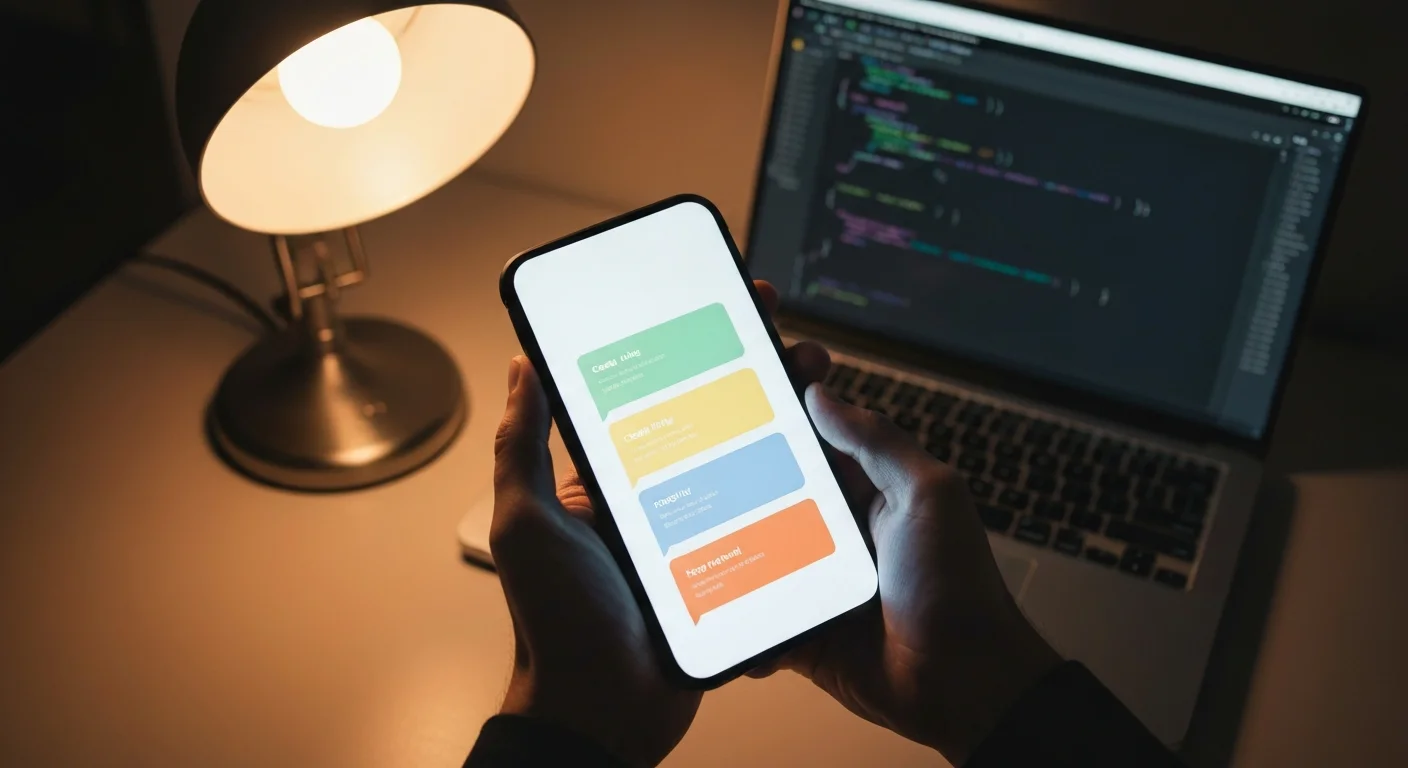
The mobile build is not a phone-based editor. Instead, the ChatGPT app connects to a Codex session already running on a developer's machine and lets them review outputs, approve proposed changes, answer prompts, and queue up new tasks from wherever they are. OpenAI is pitching it as a fix for a specific workflow gap: long-running agent runs increasingly require short, scattered human interventions — a question to clarify, a diff to approve, a nudge in a new direction — and being parked at a keyboard for each one doesn't scale.
Files, credentials, plugins, and permissions stay on the host machine; the phone functions as a secure relay rather than a full development environment, according to OpenAI's launch notes.
macOS first, Windows later
At launch, the mobile app can only pair with the macOS version of the Codex desktop app. OpenAI said Windows support is coming but did not commit to a date. Developers on Linux or Windows-only setups are effectively excluded from the preview until that gap is closed.
The rollout covers iOS and Android in all regions where ChatGPT is available, and OpenAI is shipping it as a preview rather than a stable release.
Why the timing matters
The mobile launch sits inside a broader push to make Codex the default surface for OpenAI-powered software engineering. Over the past several weeks the company has shipped hooks for lifecycle scripts, subagents for parallel coding, and a security-focused Codex variant, and it has been folding more of its developer products into the ChatGPT shell rather than standalone tooling.
Competition is heavier than at any point in the agentic-coding cycle. Anthropic's Claude Code has been gaining enterprise traction, Cursor and Cognition are pushing aggressive pricing and feature roadmaps, and Microsoft's GitHub Copilot now ships a desktop app of its own. By putting Codex onto the device every developer already carries, OpenAI is betting that ambient, low-friction approvals — rather than raw model quality alone — will decide which agent gets habitual use.
Implications
For engineering teams, the practical change is that agent oversight no longer has to happen at a desk. A developer running a long Codex job can step into a meeting, glance at their phone when the agent pauses, and keep the run moving. That lowers the cost of letting agents work on longer horizons, which is exactly the direction OpenAI, Anthropic, and Google have been pushing benchmarks like SWE-bench Verified and Terminal-Bench. If the preview holds up, expect rivals to ship comparable mobile control surfaces within the quarter — the differentiation will shift back to what the underlying agent can actually finish unattended.