Anthropic CFO Krishna Rao used his first-ever podcast appearance, on Patrick O'Shaughnessy's Invest Like the Best released May 13, to disclose that the company's annualized run-rate revenue jumped from roughly $9 billion at the start of 2026 to over $30 billion by the end of Q1 — a tripling in a single quarter. Rao joined Anthropic two years ago when run rate was about $250 million and has since helped raise approximately $75 billion in capital.
The numbers behind the jump
Rao framed Anthropic's growth around enterprise concentration rather than consumer reach. According to coverage of the podcast and subsequent analyses, nine of the Fortune 10 are now Claude customers, and the count of customers spending more than $1 million annually roughly doubled to around 1,000 in the two months following the company's February Series G. Net dollar retention is running above 500% annualized — extreme even by frontier-AI standards.
Internally, Rao said over 90% of Anthropic's own code is now written by Claude Code, which O'Shaughnessy and follow-up reporting have flagged as a leading indicator for how quickly the agentic-coding workload is consolidating against incumbents.
The $100B+ three-chip stool
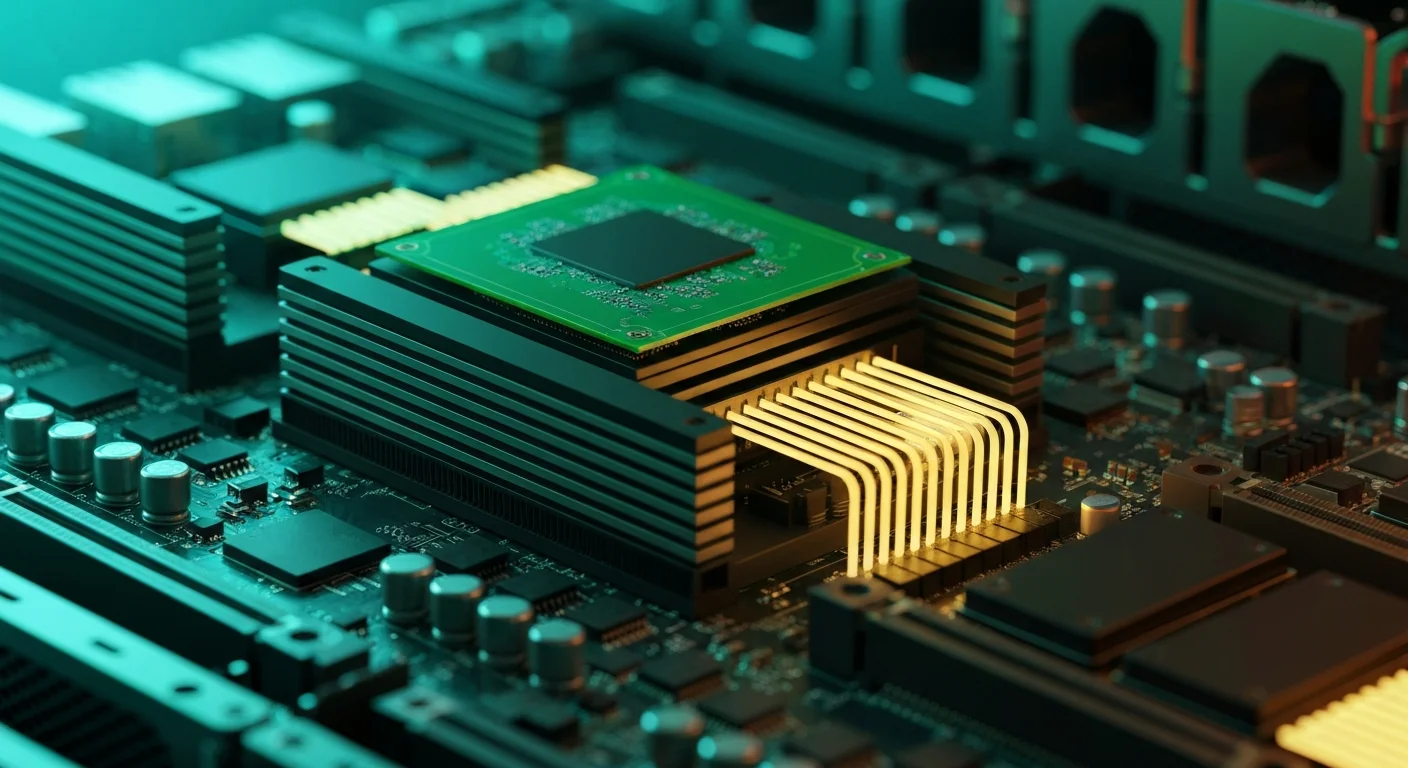
The most operationally important disclosure was Anthropic's compute architecture. Rao described a deliberately diversified strategy across three vendors:
- AWS Trainium. Anthropic has committed more than $100 billion over ten years to AWS Trainium capacity, with Project Rainier already running hundreds of thousands of Trainium2 chips dedicated to Claude training. The earlier expansion announced with Amazon contemplates up to 5GW of new capacity.
- Google TPU. Broadcom will supply roughly 3.5 gigawatts of Google TPU capacity to Anthropic starting in 2027, on top of the gigawatt-plus already coming online in 2026. Mizuho analysts have pegged the Broadcom-side revenue at around $21 billion in 2026 and $42 billion in 2027.
- Nvidia GPUs. Roughly 1GW of Nvidia capacity is committed across Grace Blackwell and Vera Rubin systems.
"If you buy too much compute, you go out of business. If you buy too little compute, you can't serve your customers," Rao said, calling compute "the lifeblood of our business" and the canvas on which everything else gets built. He estimated he spends 30 to 40% of his time on compute allocation decisions alone, with daily meetings rebalancing capacity between training, internal use, and customer-serving inference.
What this changes for builders
For enterprise buyers and infra teams, the disclosures are the clearest evidence yet that Claude's API capacity is being underwritten across three independent silicon roadmaps, lowering the chance of a single-vendor stall blocking SLAs. For competitors, the 500% net dollar retention and the Fortune 10 saturation rate strengthen the case that the enterprise-AI market is consolidating around a small number of frontier labs faster than the public valuation debate suggests. And for chip investors, the size of the compute commitments — well in excess of $100 billion across Amazon, Google/Broadcom and Nvidia — sets a floor under 2027 AI capex that few independent analysts had modeled before this week.