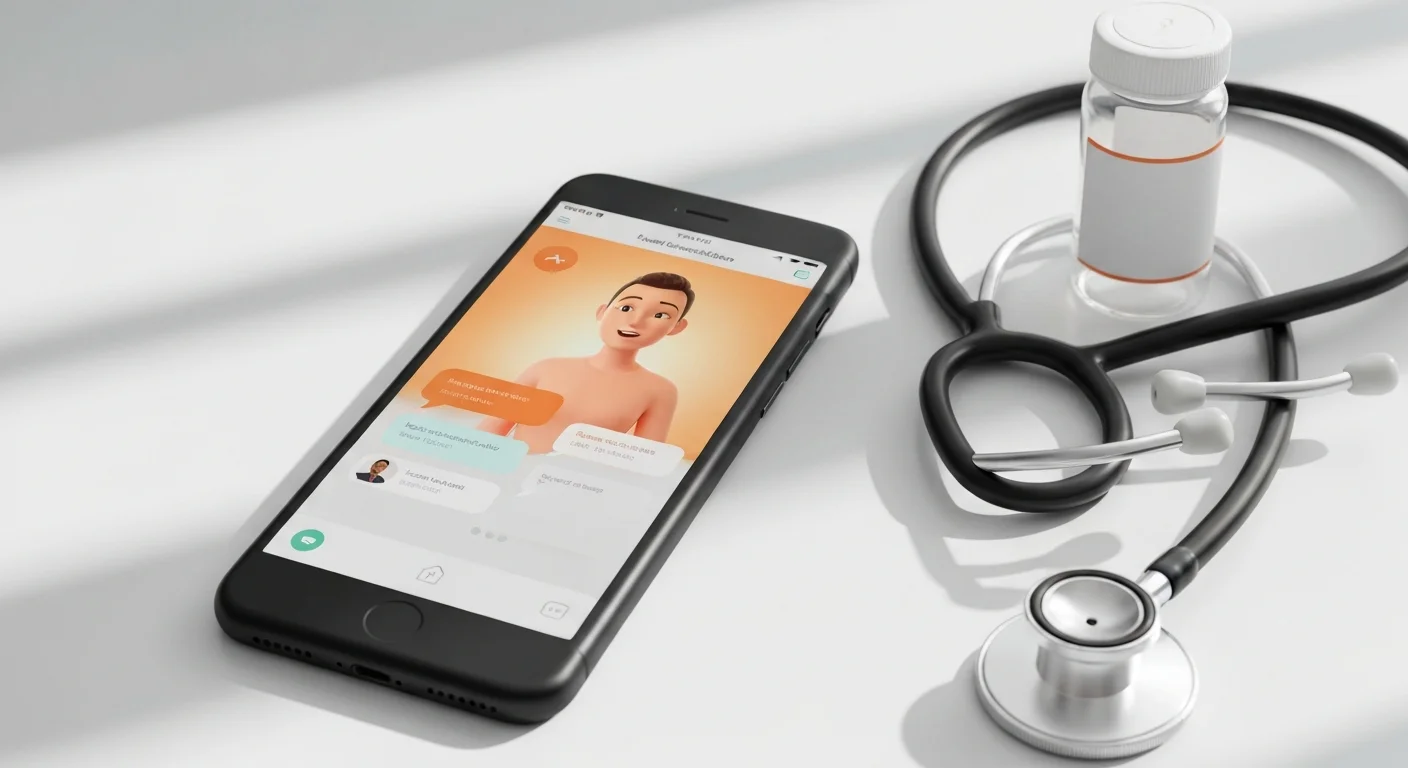
Amazon is making its most aggressive move into healthcare yet. The company has expanded its Health AI agent from the One Medical app to its main website and shopping app, putting AI-powered virtual care in front of its estimated 200 million U.S. Prime members.
The rollout, which began on March 11 and continues expanding this week, represents one of the largest deployments of agentic AI in healthcare to date.
How Health AI Works
Health AI is not a simple chatbot. Built on agentic AI architecture, the system can answer medical questions, explain health records, manage prescription renewals, and book appointments — all through a conversational interface on Amazon.com or the Amazon app.
Critically, the system is designed to recognize its own limitations. When symptoms, situations, or queries require human clinical judgment, Health AI routes users to a One Medical provider through messaging, an immediate video call, or an in-person appointment. This handoff capability addresses the biggest concern clinicians have raised about AI in healthcare: knowing when to step aside.
Prime members receive up to five free direct-message consultations with One Medical providers, covering more than 30 common conditions including cold and flu, allergies, UTIs, acid reflux, pink eye, and skin care concerns.
Why Amazon Is Uniquely Positioned
Amazon's $3.9 billion acquisition of One Medical in 2023 is now paying clear dividends. By integrating a licensed medical practice into its consumer platform, Amazon can offer something competitors cannot: a seamless path from AI-powered triage to licensed human care, all within an app that hundreds of millions of people already use daily.
The company also operates Amazon Pharmacy, creating a closed loop where a health concern can move from AI assessment to provider consultation to prescription fulfillment without leaving the Amazon ecosystem.
The Competitive Landscape
Amazon is not alone in this space. Microsoft launched Copilot Health the same week, aggregating health records, wearable data, and medical history into its Copilot platform. Google has been building health features into its AI products for over a year.
But Amazon's distribution advantage is hard to overstate. Prime membership is embedded in roughly 75% of U.S. households, and placing Health AI directly on the shopping app means users encounter it during routine browsing rather than seeking out a dedicated health platform.
Privacy and Regulatory Questions
Healthcare AI at this scale inevitably raises privacy concerns. Amazon says Health AI conversations are protected under HIPAA-compliant infrastructure and that health data is kept separate from shopping and advertising data. However, consumer advocates have called for greater transparency about how health interactions inform Amazon's broader product recommendations.
The FDA has also signaled increased scrutiny of AI health tools that blur the line between wellness advice and medical diagnosis, a category Health AI may straddle depending on how users engage with it.
What Comes Next
Amazon plans to make Health AI available to all U.S. customers, not just Prime members, in the coming months. The free consultations, however, will remain a Prime-exclusive benefit — adding yet another reason to the growing list of perks that make Prime membership difficult to cancel.