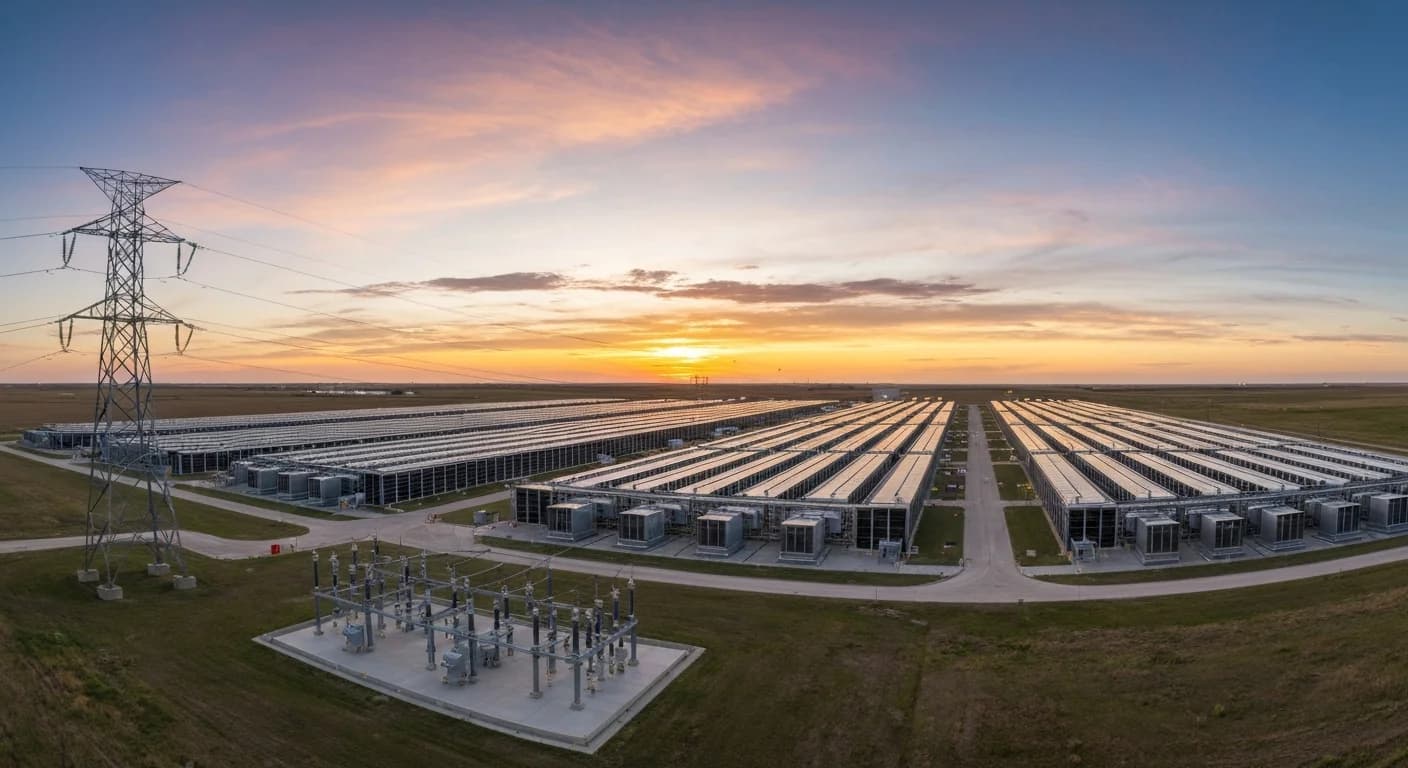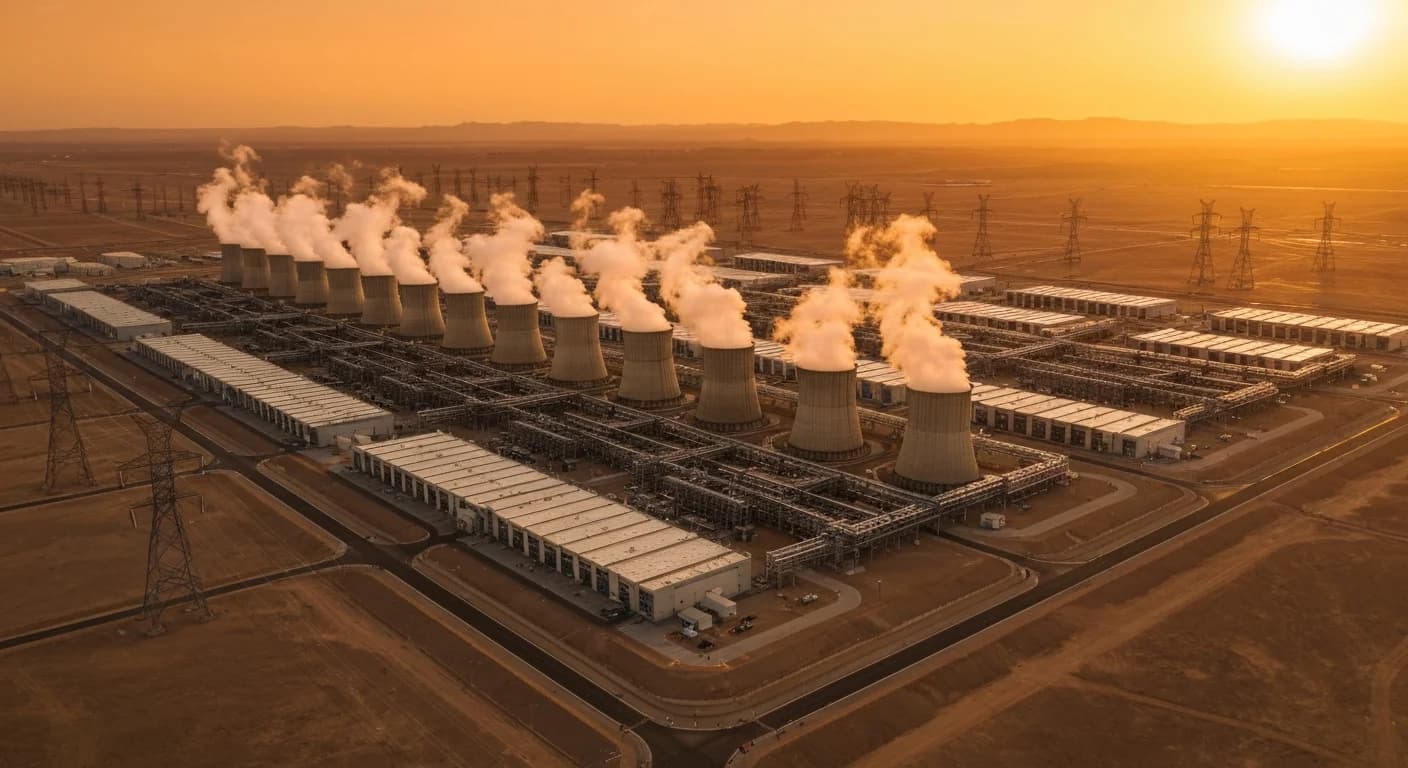
Anthropic disclosed on April 6 that its annualized revenue run rate has surpassed $30 billion, up from roughly $9 billion at the close of 2025. Alongside that milestone, the company announced what CFO Krishna Rao called "our most significant compute commitment to date" — a deal granting access to approximately 3.5 gigawatts of next-generation Google Tensor Processing Unit (TPU) capacity through Broadcom, starting in 2027.
The Deal at a Glance
The agreement builds on 1 gigawatt of Google TPU capacity already being supplied to Anthropic in 2026. Beginning in 2027, that figure is set to surge beyond 3.5 gigawatts as Broadcom develops and delivers custom TPUs under a long-term supply arrangement with Google that extends through 2031.
Broadcom's stock rose roughly 6 percent on the announcement. Analysts at Mizuho estimated that the chipmaker would generate $21 billion in AI revenue from Anthropic in 2026 and $42 billion in 2027, underscoring the financial weight of the partnership.
The vast majority of the new computing infrastructure will be located within the United States, deepening a commitment Anthropic made in November 2025 to direct $50 billion toward American AI computing capacity.
Revenue Growth and Customer Momentum
The leap from $9 billion to $30 billion in annualized revenue in approximately three months marks one of the fastest revenue expansions in enterprise technology. The company now counts over 1,000 business customers spending more than $1 million per year — a figure that has doubled in under two months from the 500-plus reported in February 2026.
That customer momentum followed Anthropic's $30 billion Series G round in February, led by GIC and Coatue and valuing the company at $380 billion post-money.
Multi-Cloud Infrastructure Strategy
Anthropic operates across three hardware platforms: Amazon Trainium chips through AWS's Project Rainier (roughly 500,000 Trainium 2 chips in Indiana), Google TPUs, and Nvidia GPUs. The multi-vendor approach is designed to optimize workload placement and ensure resilience against supply chain disruptions.
Broadcom's regulatory filing flagged one caveat worth noting: the company disclosed that financial arrangements enabling Anthropic's 3.5-gigawatt deployment represent a material risk, as consumption "is dependent on Anthropic's continued commercial success."
What It Means for the AI Industry
The deal signals that the infrastructure arms race underpinning frontier AI development is entering a new phase measured in gigawatts rather than GPU counts. For Google and Broadcom, it cements a deepening hardware partnership that extends well into the next decade. For Anthropic, it secures the raw computing power needed to train and serve successive generations of Claude models at a scale that few organizations can match.
Whether the broader market can sustain this pace of capital expenditure remains an open question — but for now, the numbers suggest enterprise demand for AI is not slowing down.