Dell Technologies and NVIDIA kicked off Dell Technologies World 2026 in Las Vegas on Monday with a joint keynote unveiling AI Factory 2.0, an expanded PowerEdge XE server line that scales to 192 NVIDIA Blackwell Ultra GPUs per chassis and 256 GPUs per Dell IR7000 rack. Michael Dell and Jensen Huang anchored the 10 a.m. PT opening session of the four-day conference, framing Dell's pitch as the integrated rack-scale alternative to bolting AI infrastructure together from parts.
PowerEdge XE9780 and XE9785
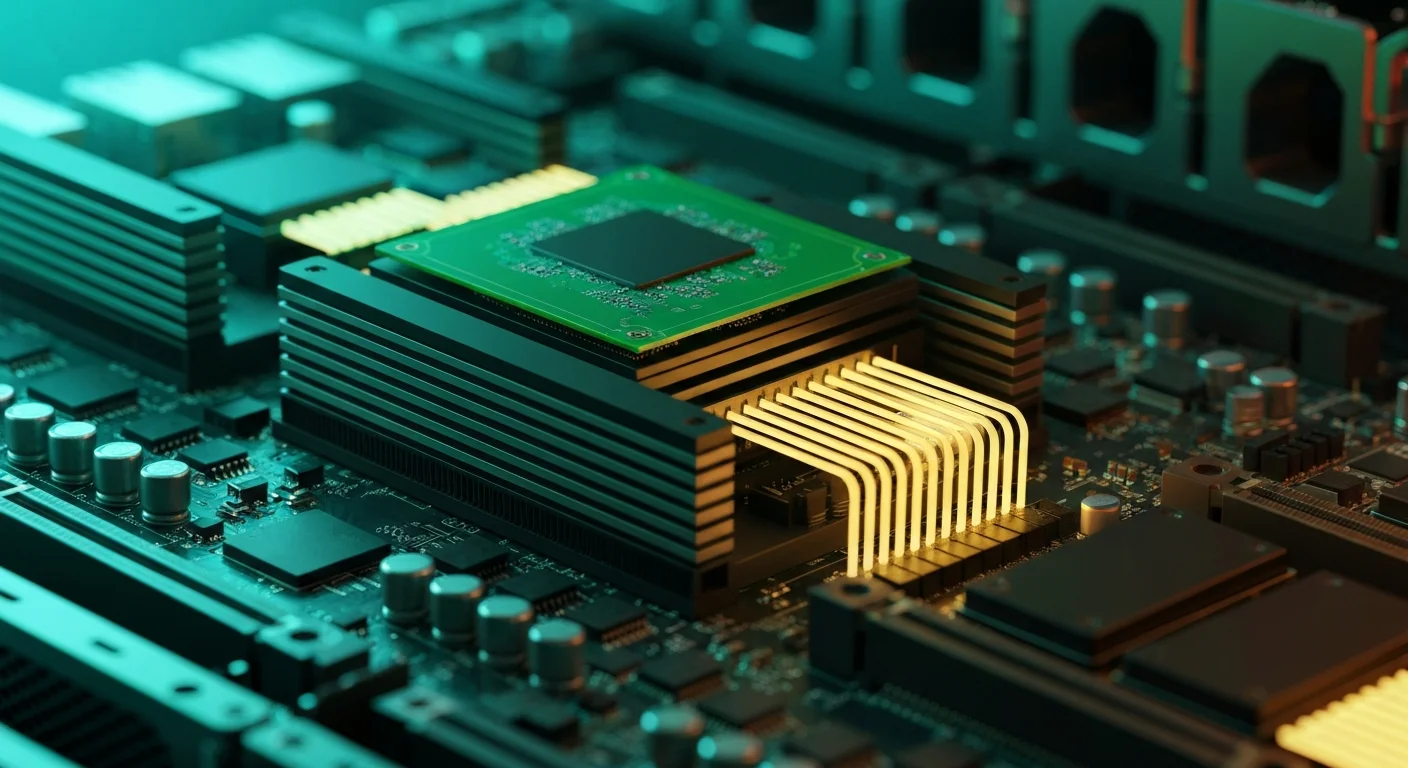
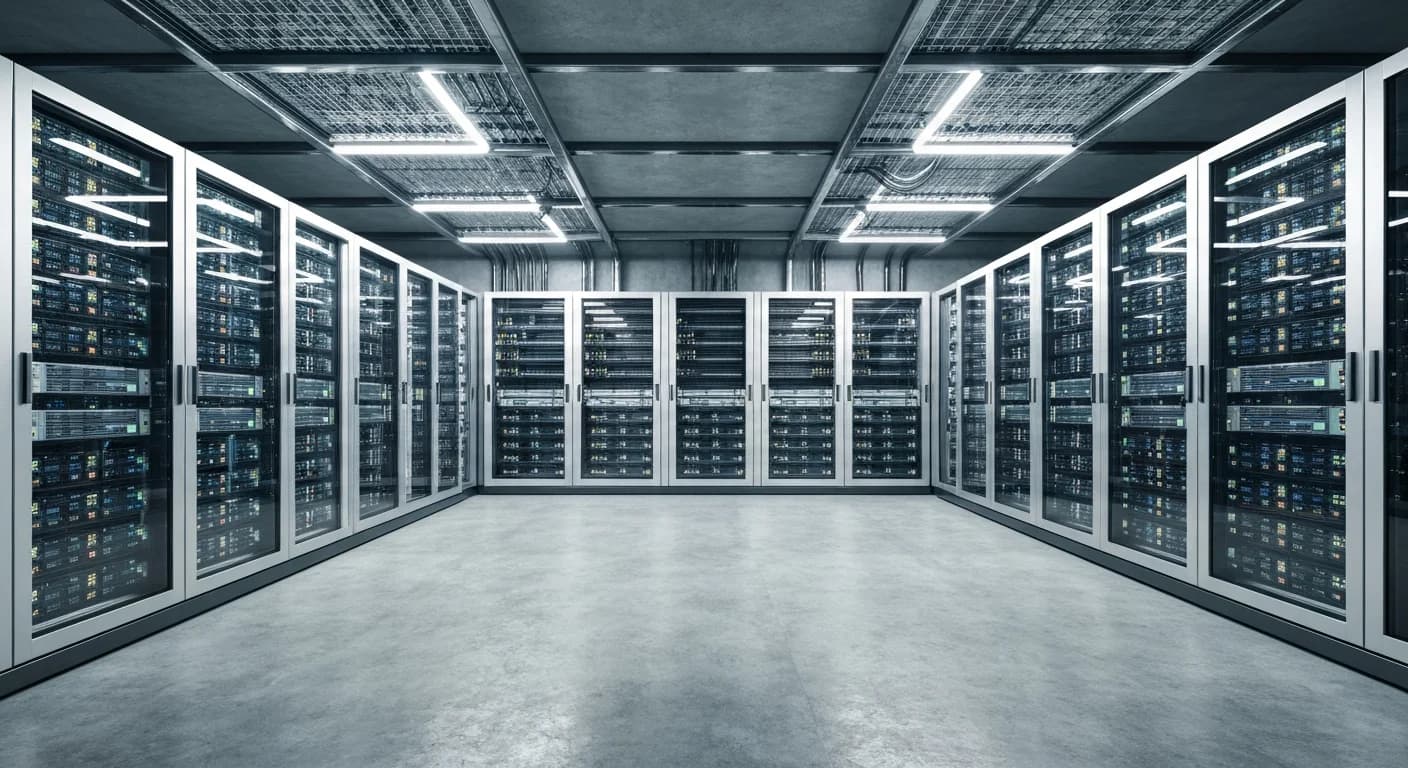
The new PowerEdge XE9780 and XE9785, joined by liquid-cooled XE9780L and XE9785L variants, are Dell's first servers built around NVIDIA's Blackwell Ultra architecture. Configurations top out at 192 GPUs per system before networking and storage are factored in. The IR7000 rack, Dell's reference architecture for high-density AI deployments, lifts that ceiling to 256 GPUs per rack — a density aimed at training clusters and inference fleets that operators previously had to design around bespoke ODM kit.
Dell's AI Revenue Trajectory
AI infrastructure has reset Dell's server business. The company reports AI server revenue growing from roughly $10 billion in early 2025 to $25 billion, with internal projections targeting around $50 billion in 2026. Dell now counts more than 4,000 customers running deployed AI factory systems — a base that spans neoclouds, hyperscaler tenants, and Fortune 500 buyers consolidating fragmented GPU footprints into rack-scale orders.
The keynote framed AI Factory 2.0 as a packaged stack: PowerEdge XE plus Dell storage, integrated networking, and NVIDIA AI Enterprise software available directly through Dell. New managed services wrap operations around NVIDIA's stack for buyers who want appliance-grade delivery rather than DIY orchestration.
Multi-Vendor at the Silicon Layer
Dell is hedging at the accelerator level. The same PowerEdge XE line that hosts Blackwell Ultra also now supports AMD Instinct MI350P PCIe GPUs, positioned as a procurement option for customers running mixed inference workloads. NVIDIA still anchors the AI Factory 2.0 reference designs, but the AMD support signals that Dell wants to be the system integrator regardless of which silicon eventually wins enterprise mindshare.
What Changes for Builders
For engineering teams evaluating on-prem AI capacity, AI Factory 2.0 narrows the architecture-decision surface. A 256-GPU IR7000 rack with liquid cooling and a unified software contract collapses what used to be a six-to-twelve-month integration project into a procurement line item. The trade-offs are real: rack-level vendor lock-in, and a continuing dependency on Blackwell Ultra supply, which remains the gating constraint for any 2026 deployment timeline. Builders running a build-versus-buy analysis on AI capacity this quarter now have a sharper integrated option to benchmark against custom designs.