The numbers are in, and they are staggering. Gartner's latest forecast projects that worldwide spending on artificial intelligence will reach $2.52 trillion in 2026 — a 44% increase year-over-year that underscores just how deeply AI is embedding itself into the global economy.
Where the Money Is Going
AI infrastructure dominates the spending picture. Investments in AI-optimized servers alone are expected to grow by 49%, accounting for 17% of total AI expenditure. When combined with data center construction and networking, the infrastructure category swells to $1.37 trillion — more than half of all AI spending.
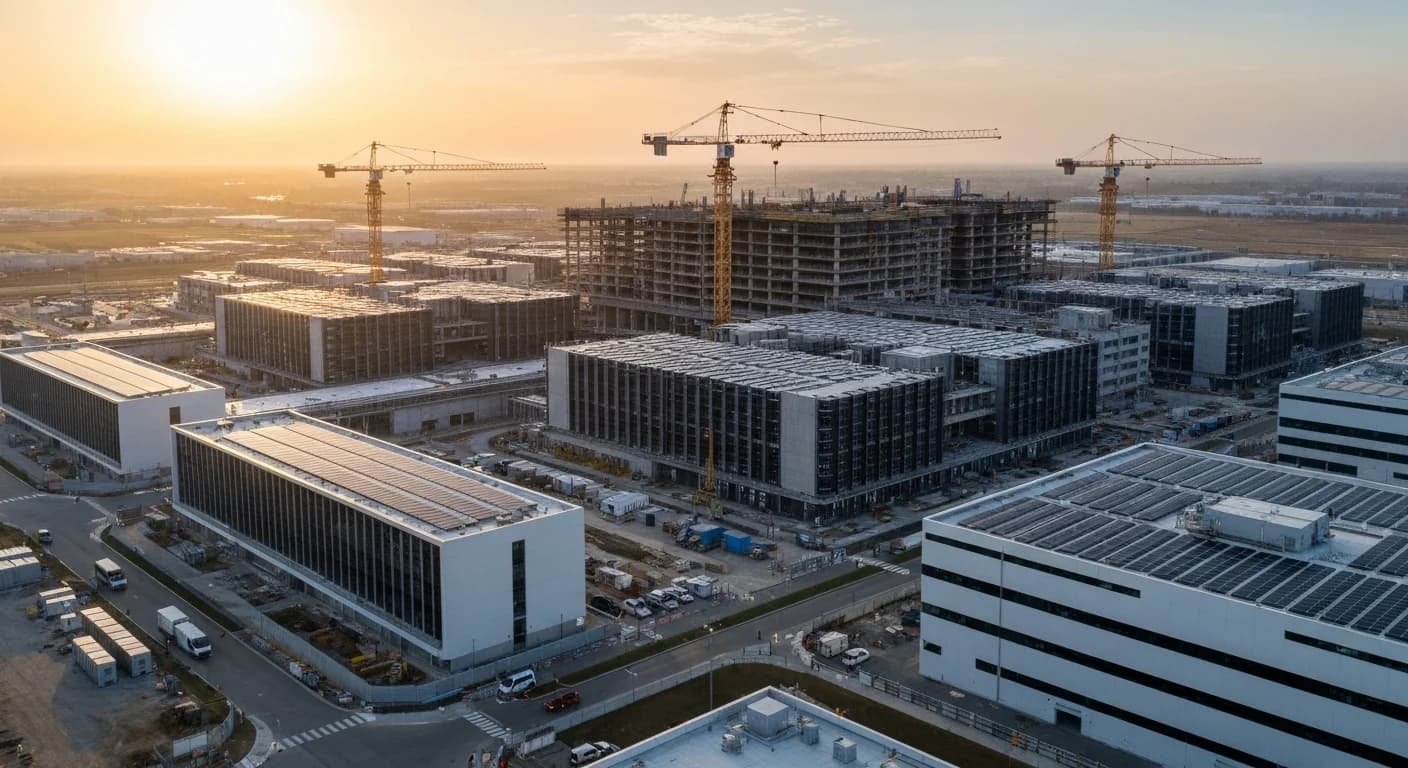
The physical buildout required to support AI workloads will drive an additional $401 billion in construction and facilities spending, according to Gartner. This includes new data centers, power infrastructure, and cooling systems designed to handle the thermal demands of dense GPU clusters.
AI services are forecast to reach nearly $589 billion, reflecting growing enterprise demand for consulting, integration, and managed AI services. AI software spending is projected at $452 billion, driven by the proliferation of AI features embedded in existing enterprise platforms.
The Trough of Disillusionment
Despite the headline-grabbing spending numbers, Gartner's analysis comes with a note of caution. The research firm says AI has entered the "trough of disillusionment" — the phase of its hype cycle where early enthusiasm gives way to harder questions about real-world returns.
Organizations that rushed into pilot projects are now demanding measurable business outcomes before committing additional resources. Gartner expects AI to increasingly be sold through existing software vendors rather than as standalone offerings, suggesting the market is consolidating around proven platforms rather than speculative startups.
What This Means for the Industry
The $2.5 trillion figure represents a fundamental shift in how businesses allocate technology budgets. For context, this exceeds the GDP of all but the top seven national economies. Several implications stand out:
Infrastructure providers win big. Companies like Nvidia, AMD, and hyperscale cloud providers are the primary beneficiaries of the spending wave, as organizations prioritize compute capacity over software experimentation.
The talent gap widens. As spending scales, the shortage of engineers, data scientists, and AI operations specialists capable of deploying and maintaining these systems becomes more acute.
ROI pressure intensifies. With this level of investment, boards and CFOs will demand clearer evidence that AI spending translates into revenue growth, cost reduction, or competitive advantage.
Looking Ahead
Gartner projects AI infrastructure spending will continue climbing to $1.75 trillion by 2027. The question is no longer whether AI will reshape enterprise technology — it is whether organizations can deploy it fast enough to justify the capital being committed.