Google used The Android Show: I/O Edition on May 12, 2026 — one week before its full Google I/O keynote — to reframe how it sells AI on Android and to push into a new hardware category. The headline announcements: a premium AI brand called Gemini Intelligence, and Googlebooks, a line of AI-first laptops arriving this fall.
Gemini Intelligence becomes the layer under Android
Rather than treating Gemini as an app you open, Google described Gemini Intelligence as the name for its best AI features on "advanced" Android devices — phones, watches, cars, glasses and laptops. The pitch is proactive, agentic help: Gemini Intelligence is meant to handle tedious multi-step tasks like booking a spin-class seat, scanning a syllabus in Gmail to find the books you need, reading a grocery list in Keep and adding everything to a shopping cart, or booking an activity from a photo of a brochure.
The first wave of Gemini Intelligence features is coming to the latest Google Pixel and Samsung Galaxy phones this summer, expanding to watches, cars, glasses and laptops later in 2026. Related updates include a Chrome integration for webpage-based queries (slated for late June) and a Gboard "Rambler" mode that strips filler words and pauses from voice input.
Googlebooks: Google's AI-first laptop play
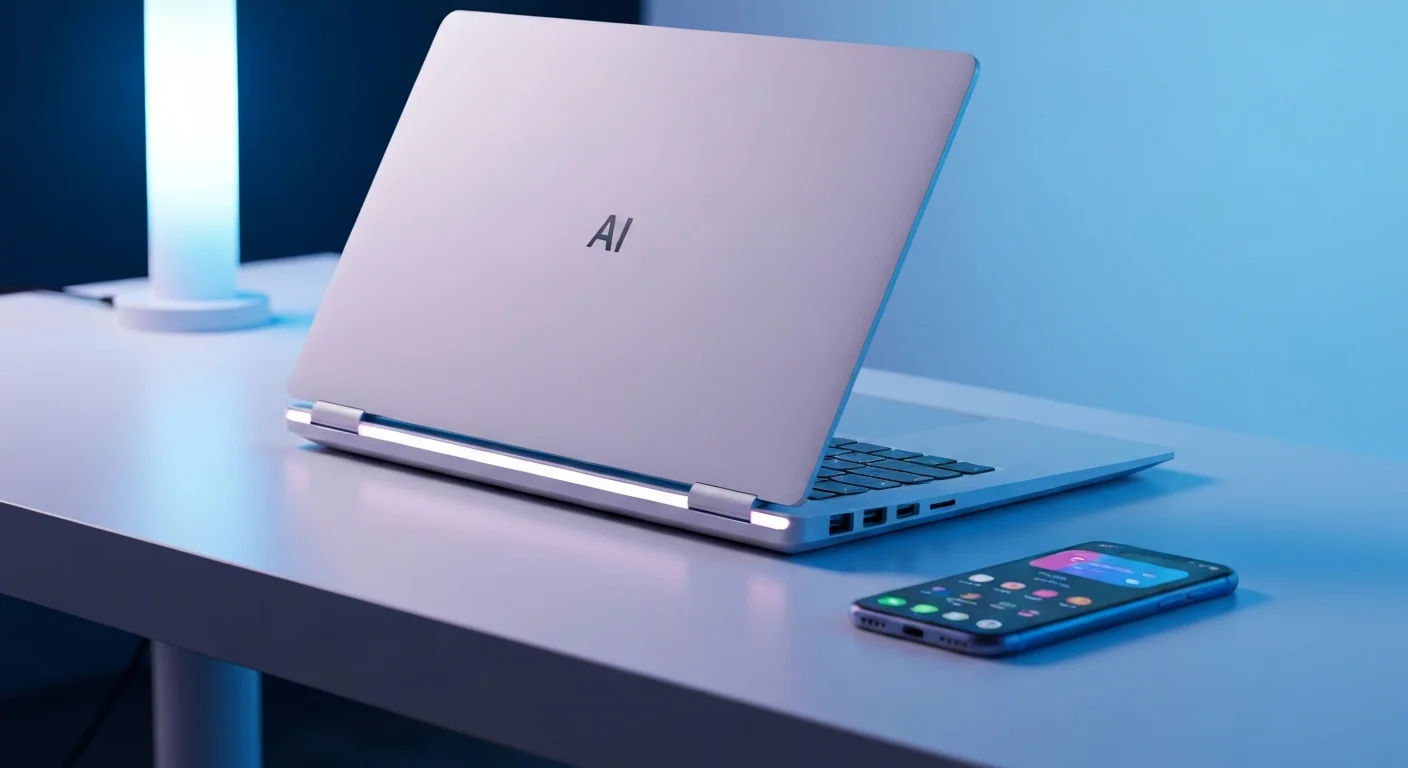
Google announced Googlebooks, which it calls the first laptops designed from the ground up for Gemini Intelligence. Hardware partners include Acer, Asus, Dell, HP, and Lenovo, with the first models due in fall 2026. Demoed features include a Gemini-powered "Magic Pointer" cursor that lets you ask Gemini to act on whatever is on screen, tight Android phone integration ("Cast my apps" to run mobile software on the bigger screen), a Quick Access file browser, and a distinctive "Glowbar" design element.
Generative UI and Android 17
Android is also getting generative UI: a "Create My Widget" capability that builds custom homescreen widgets — and Wear OS Tiles — from a natural-language description, such as asking for three high-protein meal-prep recipes each week. That feature rolls out to Pixel and Galaxy devices this summer. Other Android 17 items previewed include a TikTok-style "Screen Reactions" recording mode, iOS-to-Android wireless migration, Quick Share/AirDrop interoperability with more OEMs, a refreshed 3D emoji set, and an Android Auto redesign with Material 3 Expressive and 60fps video.
Why it matters
The timing is pointed. Google is hardwiring Gemini across the phone, browser, car and laptop just weeks before Apple is expected to show a rebuilt, Gemini-powered Apple Intelligence at WWDC. By stretching the brand into a Google-blessed laptop category and an OS-level assistant, Google is betting that owning the "intelligence layer" — not just the model — is what locks in the next generation of Android hardware.