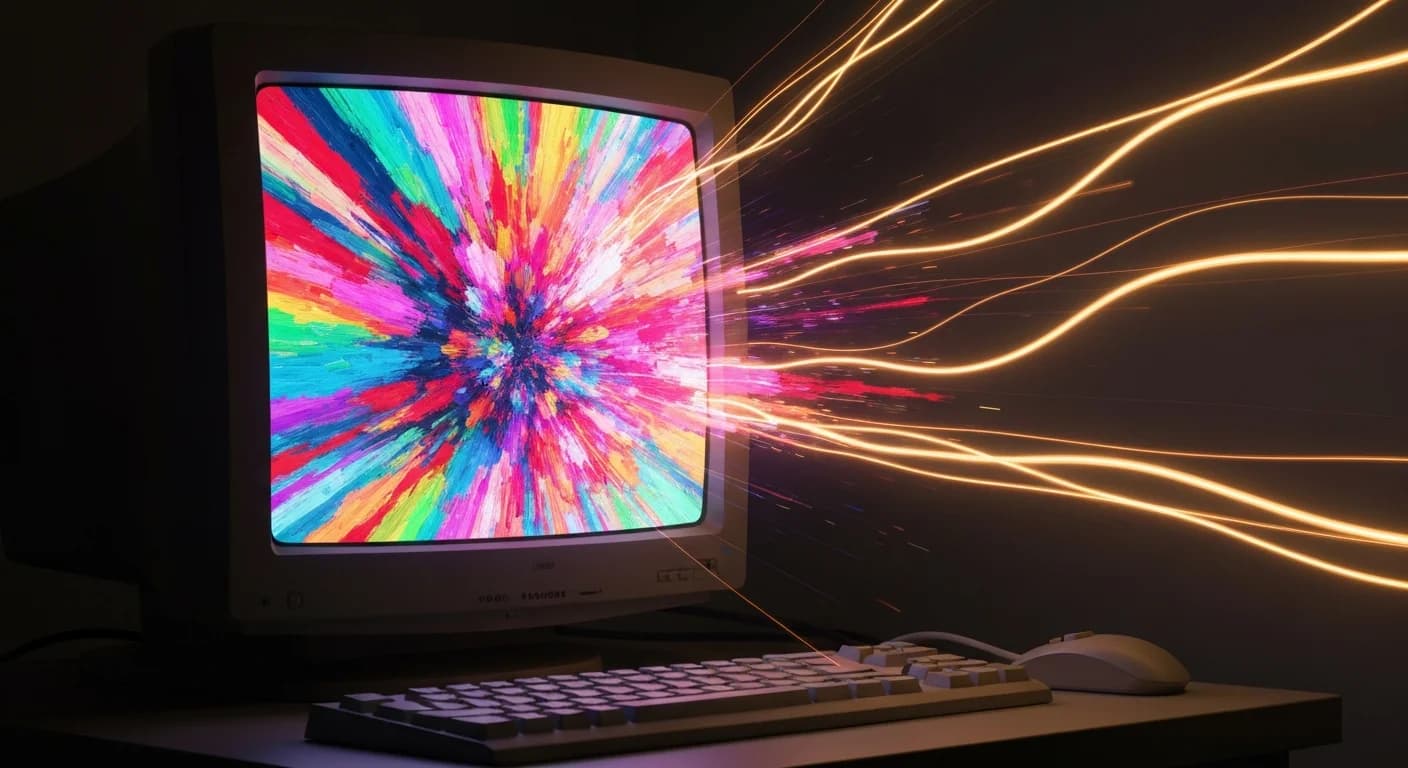
Google just shipped the most significant upgrade to its AI image generation stack since the original Nano Banana went viral. Nano Banana 2 — technically Gemini 3.1 Flash Image — is rolling out across every Google product today.
What Changed
The original Nano Banana model earned its oddball name from the AI community after consistently producing eerily photorealistic images. Nano Banana 2 takes that realism further while solving the biggest complaint about its predecessor: speed.
By building on Gemini Flash's architecture rather than the heavier Pro model, Google cut generation time significantly. The result is a model that produces images ranging from 512px to full 4K resolution across multiple aspect ratios, fast enough to feel interactive rather than like a batch job.
Web-Grounded Generation
The most interesting technical addition is real-time web grounding. Nano Banana 2 pulls from Gemini's knowledge base and live web search results when generating images. Ask it for a specific building, a public figure, or a current event, and it draws on actual reference material rather than hallucinating details.
This also enables practical use cases that earlier models struggled with: turning handwritten notes into clean diagrams, generating data visualizations from descriptions, and creating infographics that reference real statistics.
Where It's Available
Google is replacing Nano Banana Pro with Nano Banana 2 across the entire Gemini product line — Fast, Thinking, and Pro tiers all get the upgrade. It's also rolling out in Google Search for visual answers and in Google Ads for creative generation.
For developers, the model is available through the Gemini API with the same image generation endpoints. Google says the API supports all the same resolution and aspect ratio options as the consumer product.
The Competitive Picture
The timing matters. OpenAI's DALL-E 4 has been the default choice for developers, while Midjourney continues to lead on artistic quality. Nano Banana 2 positions Google as the speed-and-accuracy option — the model you use when you need images that are correct, not just beautiful.
With image generation now a commodity feature in every major AI platform, the differentiator is shifting from raw quality to practical utility. Google is betting that web-grounded, knowledge-aware generation is what users actually need.
For teams deciding whether to adopt a tool like this, the harder question is usually justification, not capability. This guide on how to build an AI business case that actually gets approved covers framing the ask, and once deployed, measuring the ROI of AI with metrics that actually matter helps prove the spend is working.