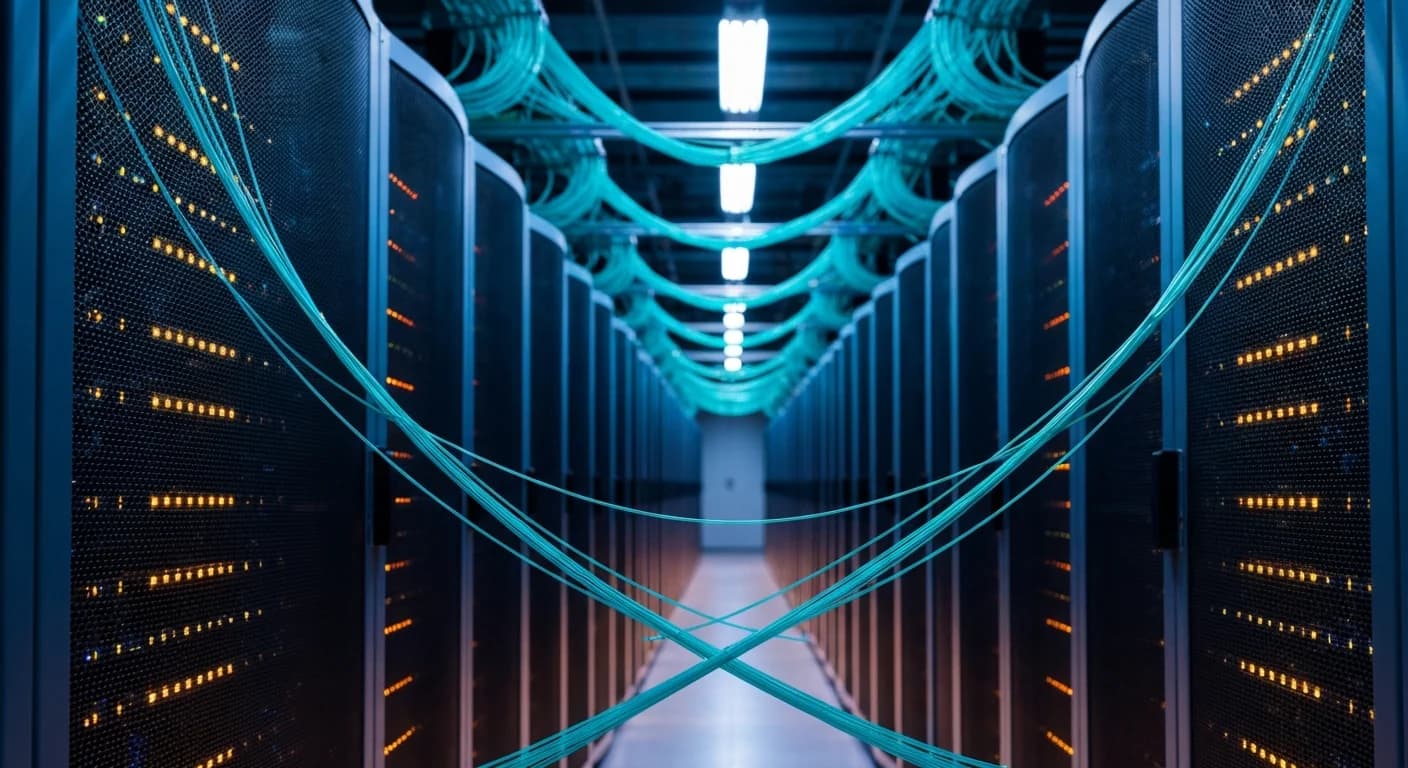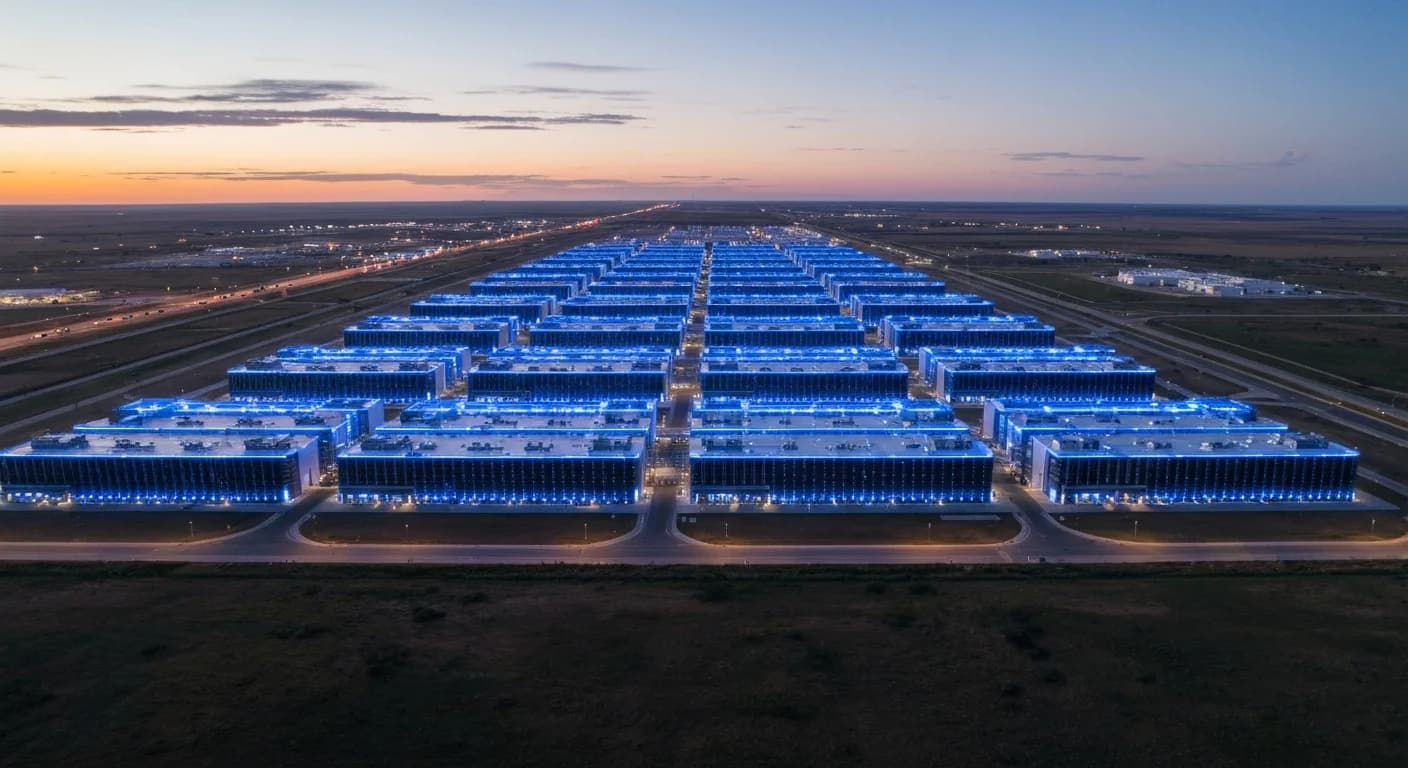
Microsoft has agreed to lease a 700-megawatt data center facility in Abilene, Texas, that was originally developed for Oracle and OpenAI, Bloomberg News reported on March 25. The deal, struck with developer Crusoe, gives Microsoft one of the largest single-facility compute acquisitions in recent memory — and signals the company's determination to build independent AI infrastructure at scale.
The Site's History
The Abilene facility sits directly adjacent to the Stargate campus, the flagship AI infrastructure project jointly developed by Oracle and OpenAI that was announced with considerable fanfare earlier this year. According to Bloomberg, Oracle and OpenAI ultimately walked away from negotiations over the adjacent site after financing discussions broke down and OpenAI's needs evolved.
Oracle pushed back publicly on earlier Bloomberg reporting suggesting delays at Abilene, calling the characterization inaccurate. Microsoft, Oracle, OpenAI, and Crusoe have not commented on the transaction, according to Reuters.
Why Microsoft Wants the Capacity
Microsoft has been on an aggressive data center build-out to support its AI products — from Copilot embedded across the Office suite to Azure OpenAI Service used by tens of thousands of enterprise customers. Acquiring a ready-built 700MW facility dramatically accelerates that timeline compared to constructing a new campus from scratch.
The move also fits Microsoft's longer-term goal of reducing its dependence on OpenAI for model access. In recent months, Microsoft has been hiring leading AI researchers, including former Allen Institute for AI CEO Ali Farhadi and prominent University of Washington researchers Hanna Hajishirzi and Ranjay Krishna, for an internal superintelligence research team led by Mustafa Suleyman.
More compute owned outright means more flexibility to run Microsoft's own models at scale without routing workloads through OpenAI's API — an important hedge as the two companies' interests increasingly diverge.
Nadella's Long Game
Microsoft CEO Satya Nadella has been unusually candid about his expectations for the data center market. In a recent podcast, Nadella predicted an oversupply of computing capacity and falling prices by 2027 or 2028, driven by the current global building boom. His strategy: invest heavily now to lock in capacity and relationships, then benefit from cheap rental rates when the market floods.
That view shapes the Abilene acquisition differently than it might appear at first glance. Microsoft isn't just buying compute for today's workloads — it's positioning to be a major provider of affordable AI infrastructure when competitors who over-built start looking for tenants.
What It Means for the AI Infrastructure Race
The deal illustrates how quickly large-scale AI infrastructure assets change hands in the current environment. Facilities that weren't viable for one player at one moment can become critical for another weeks later. Crusoe, originally known for using stranded natural gas to power data centers, has emerged as a significant developer in the AI infrastructure space.
As demand for frontier model training and inference grows, the competition for power, land, and cooling isn't slowing. Microsoft's latest move keeps it firmly at the front of that race — even if it took an unexpected shortcut through another company's abandoned negotiations to get there.
For enterprises watching this build-out from the sidelines, the lesson is that compute is no longer the bottleneck most projects hit first. The bigger gap behind the headlines is on the input side — this analysis of AI data readiness and the gap behind 88% of POC failures shows why the work that actually decides whether AI delivers happens long before the GPU is provisioned.