The legal battle between Elon Musk and OpenAI has reached a new peak. In a court filing on Tuesday, Musk's attorneys laid out aggressive new remedies that would fundamentally reshape the AI company he helped co-found nearly a decade ago — including the removal of CEO Sam Altman and President Greg Brockman from their leadership roles.
What Musk Is Demanding
The filing seeks to compel OpenAI to abandon its for-profit conversion and return to its original nonprofit structure. Specifically, Musk wants Altman removed as a director from OpenAI's nonprofit board and both Altman and Brockman ousted as officers of the for-profit entity. His legal team is also demanding that the two executives surrender "all equity and other personal financial benefits they obtained as a result of OpenAI's for-profit operations."
Musk's attorneys argue that these remedies are necessary to "unwind OpenAI's for-profit conversion and restructuring," which they claim violated the promises made when Musk donated approximately $38 million to the organization. Earlier filings in the case have suggested potential damages of up to $134 billion, though Musk has indicated any monetary winnings should be directed to OpenAI's nonprofit arm.
OpenAI Fires Back
OpenAI was quick to dismiss the escalation. The company characterized the lawsuit as "nothing more than a harassment campaign that's driven by ego, jealousy and a desire to slow down a competitor." A spokesperson added that "this case has always been about Elon generating more power and more money for what he wants."
The company has also gone on the offensive, filing complaints with the California and Delaware attorneys general alleging improper and anti-competitive conduct by Musk. OpenAI claims Musk and his associates conducted opposition research on Altman, including tracking his flights and movements, and coordinated with Meta's Mark Zuckerberg to undermine the company's restructuring efforts.
The Competitive Backdrop
The stakes extend well beyond the courtroom. Musk co-founded OpenAI in 2015 but departed the board in 2018. He has since launched xAI, a competing AI venture that merged with SpaceX in February 2026, creating a combined entity valued at roughly $1.25 trillion. OpenAI, for its part, recently surpassed $25 billion in annualized revenue and is reportedly taking early steps toward a public listing.
The bitter rivalry between two of AI's most powerful figures underscores the enormous financial and strategic interests now at play in the industry.
What Comes Next
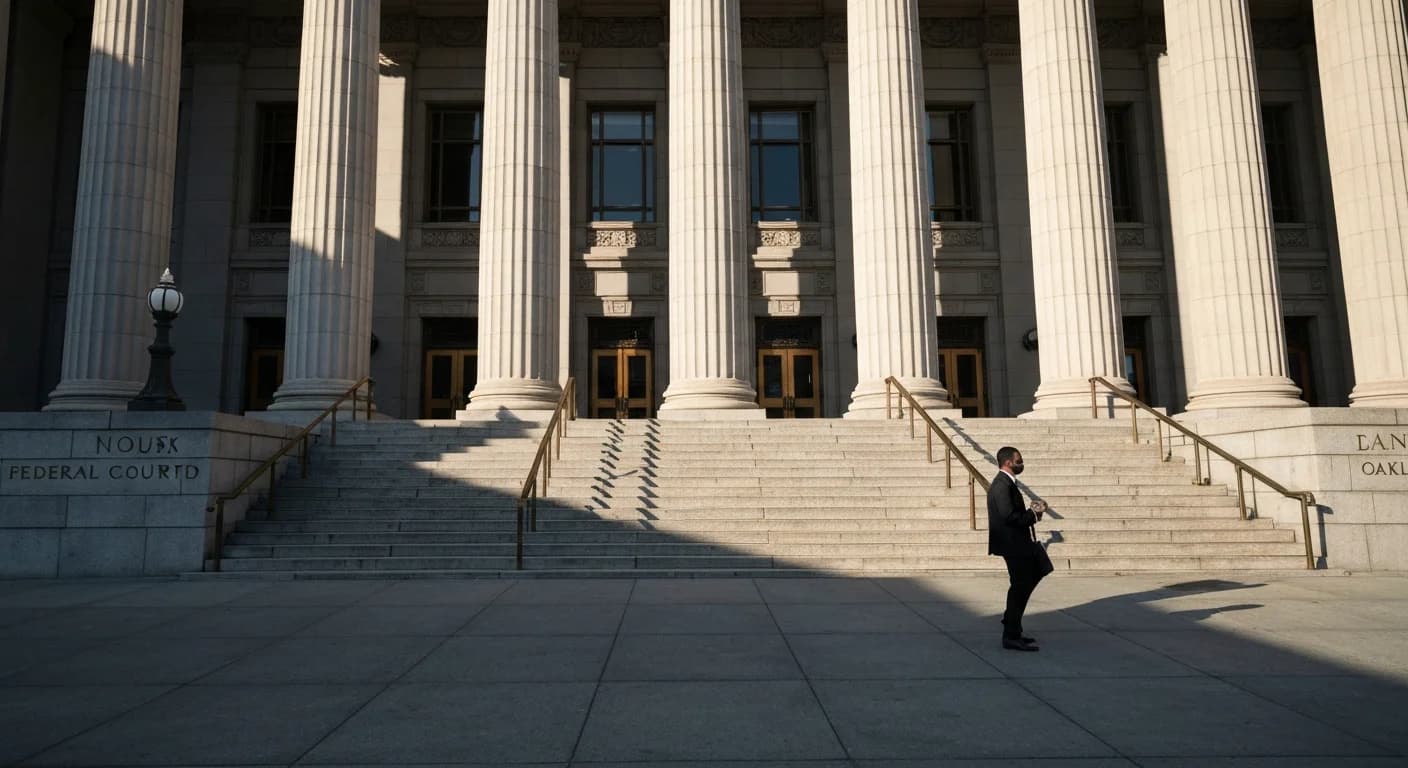
Jury selection is set to begin on April 27 in federal court in Oakland, California. The trial will determine whether Altman and OpenAI defrauded Musk by abandoning the nonprofit mission he says he was promised. A ruling in Musk's favor could force a dramatic restructuring of one of the world's most valuable AI companies — though legal experts note that unwinding a corporate conversion of this magnitude would be unprecedented.
Regardless of the outcome, the trial is poised to become a landmark moment in the AI industry, with implications for how mission-driven organizations navigate the tension between public benefit and commercial ambition.