Nebius Group announced on March 17 a proposed private offering of $3.75 billion in convertible senior notes — one of the largest debt raises by an AI infrastructure company to date. The offering underscores the enormous capital demands of building out the cloud computing backbone that powers the current AI boom.
Deal Structure
The notes are split into two tranches: $2.0 billion due in 2031 and $1.75 billion due in 2033, to be sold to qualified institutional buyers under Rule 144A. Nebius may also grant an over-allotment option of up to an additional $562.5 million across both tranches.
The notes are structured as senior unsecured obligations that accrete to 120 percent of original principal by maturity — a structure that reflects Nebius's confidence in its revenue trajectory while giving investors upside through conversion to equity.
Fueling a Massive Buildout
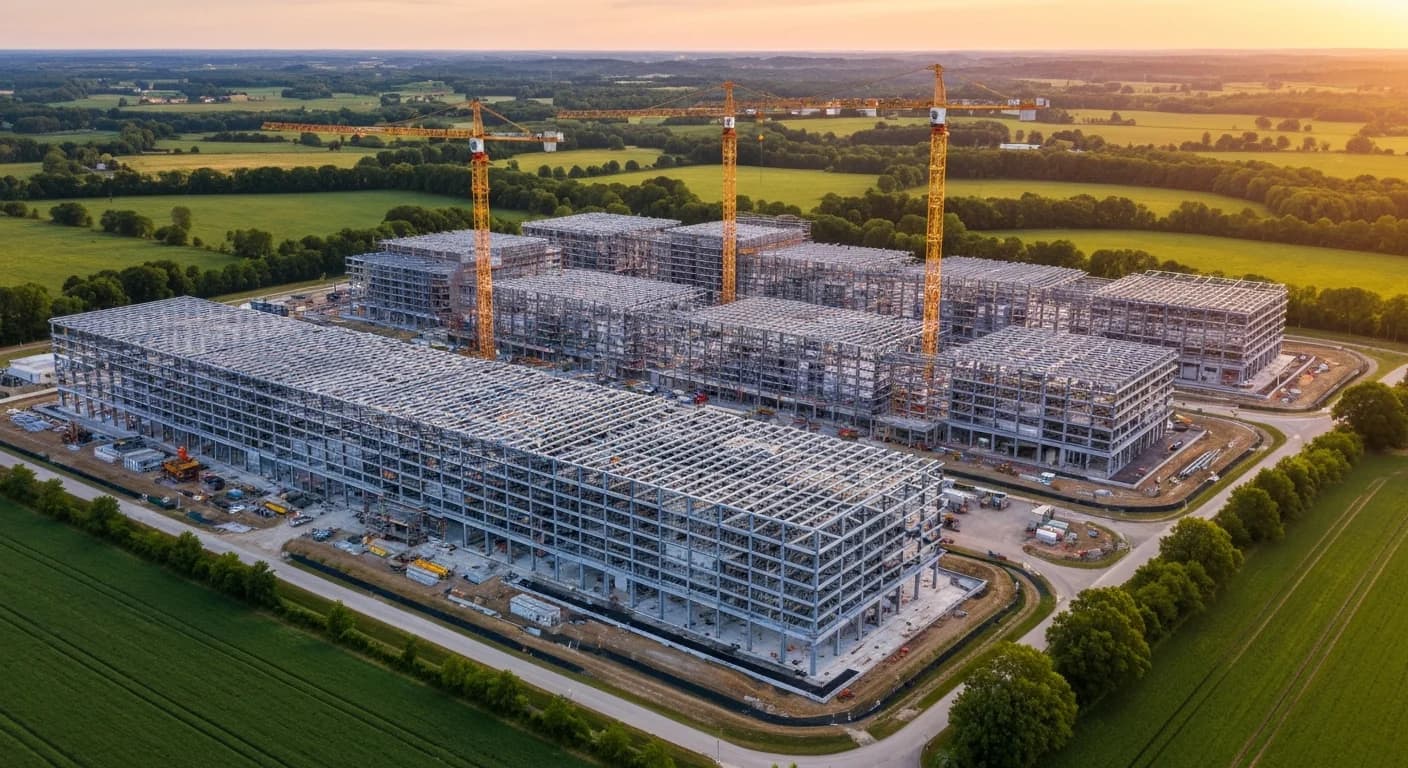
Nebius plans to use the proceeds to accelerate expansion of its AI cloud operations. That includes new data center construction, expanding its geographic footprint, procuring GPUs at scale, and further developing its full-stack AI platform.
The timing is not accidental. Earlier this month, Nebius disclosed a long-term agreement with Meta Platforms valued at up to $27 billion over five years. Under the deal, Nebius is expected to provide $12 billion in dedicated compute capacity, with the potential for an additional $15 billion as new data center infrastructure becomes operational. The company also has an existing relationship with NVIDIA, which invested $2 billion in Nebius's AI cloud infrastructure.
Market Reaction
Investors were less enthusiastic. Nebius stock (NBIS) dropped approximately 12 percent following the announcement, as the market weighed the dilution risk of the convertible debt against the company's aggressive growth trajectory. The selloff reflects a recurring tension in AI infrastructure: the sector demands enormous upfront capital, and even companies with blue-chip customers face scrutiny over how they finance the buildout.
The Bigger Picture
Nebius's raise is the latest data point in what has become a defining dynamic of 2026 — AI infrastructure companies raising unprecedented sums to meet demand that shows no sign of slowing. With hyperscalers like Meta, Google, and Microsoft all racing to secure compute capacity, independent cloud providers like Nebius are positioning themselves as critical suppliers in a market where GPU access is a strategic asset.
The question now is execution. Nebius has the contracts, the capital, and the partnerships. Turning those into operational data centers fast enough to satisfy customers like Meta will determine whether this bet pays off — for the company and its investors alike.