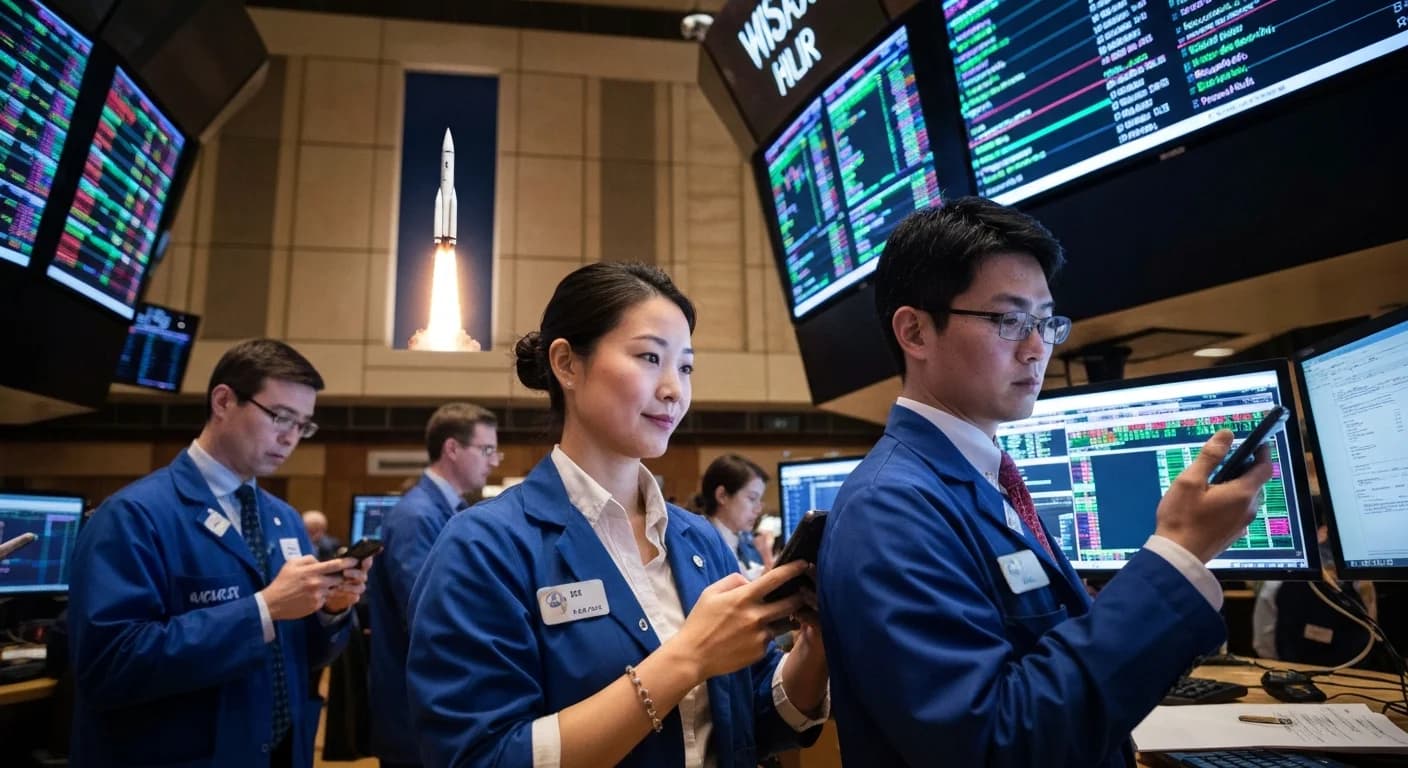
OpenAI is preparing to confidentially submit a draft IPO prospectus to the SEC as soon as Friday, May 22, with Goldman Sachs and Morgan Stanley advising, according to people familiar with the process. The company is targeting a public listing as early as September at a valuation that could exceed $1 trillion — which would make it the largest technology IPO on record, roughly $150 billion above its most recent private mark.
The numbers behind the filing
OpenAI was last valued at $852 billion in its March 2026 round, which closed with $122 billion in committed capital — the largest private funding round in history, with participation from Amazon, Nvidia, and SoftBank. The company reported roughly $25 billion in annualized revenue as of February 2026. CEO Sam Altman is reportedly pushing for the September debut, and OpenAI is said to be leaning toward a Nasdaq listing.
Confidential means the books stay dark until late summer
This is a confidential draft registration, not a public S-1. Under SEC rules, the prospectus stays sealed until roughly 60 to 90 days before the roadshow — meaning OpenAI's audited financials likely won't surface until late July or August. For anyone building on OpenAI's stack, that's the practical detail: you won't see hard numbers on compute costs, gross margins, or net losses until then, even as the company moves toward a listing.
A two-pronged trillion-dollar test
The filing lands the same week SpaceX released its own prospectus (publicly, May 20) for a Nasdaq listing under SPCX — and both companies are reportedly relying on Goldman Sachs and Morgan Stanley as lead underwriters. Two of the largest IPOs in modern history running through the same two banks simultaneously has no clear precedent. SpaceX disclosed $4.69 billion in Q1 2026 revenue against a $4.28 billion net loss, a reminder of how much red ink these capital-intensive AI bets still carry. Anthropic is reportedly targeting its own listing in October at roughly $900 billion. OpenAI's filing momentum accelerated after its recent courtroom win against Elon Musk.
What changes for builders and enterprise buyers
A public OpenAI means public-company discipline: quarterly disclosure of compute spend, the economics of API pricing, and the durability of its loss-making growth model. Enterprises doing vendor due diligence on a core model provider will, for the first time, get audited financials rather than leaked figures and selective board decks. The raise itself is aimed squarely at funding compute commitments — its multiyear Nvidia and Broadcom silicon obligations alone run into the billions per quarter, on top of its cloud capacity deals.
The deeper signal for the market: the AI capital cycle is now large enough that the two firms defining it are testing whether public investors will fund losses at a scale private markets have so far absorbed. The answer arrives this autumn.