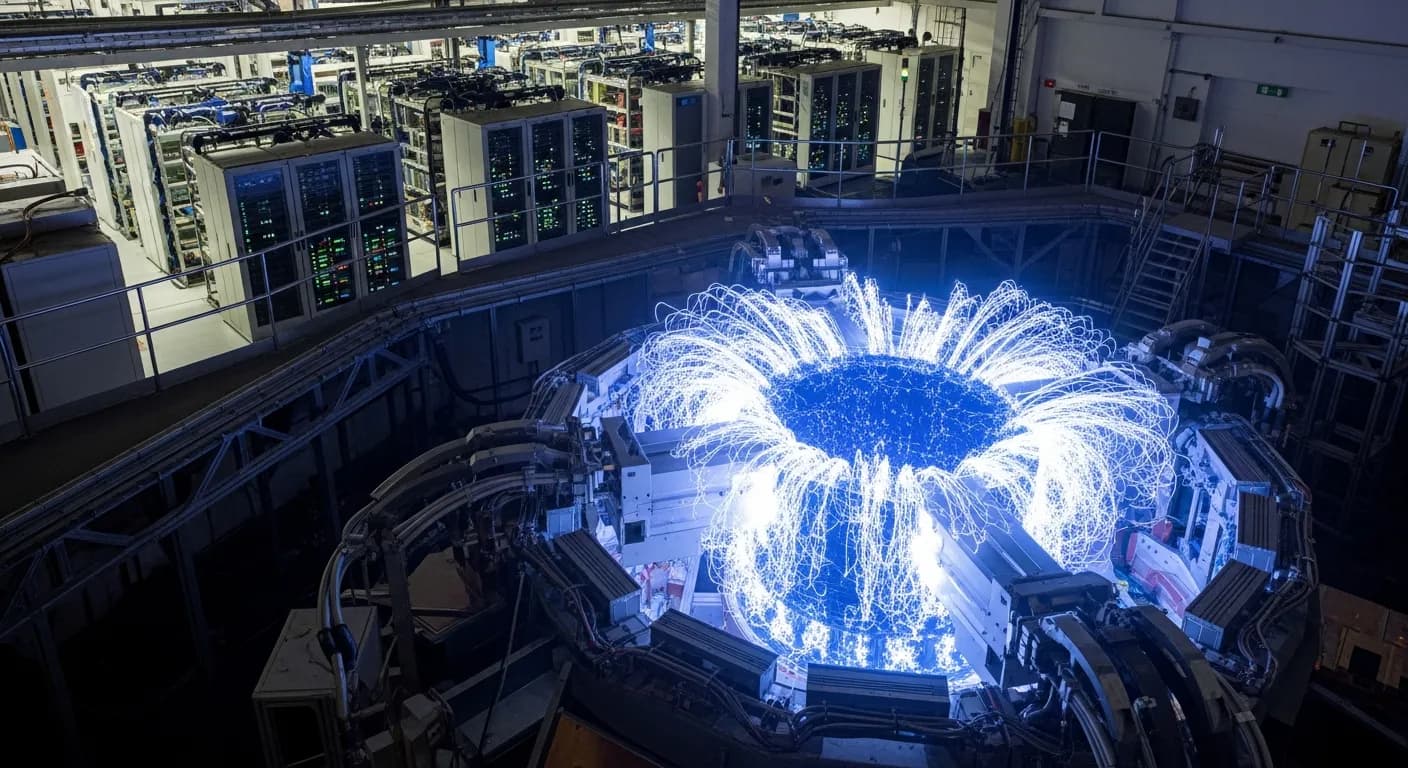
OpenAI is in advanced talks to purchase electricity from Helion Energy, the nuclear fusion startup where Sam Altman previously served as board chair. Axios first reported the deal; Altman has since stepped down from Helion's board and recused himself from negotiations to address the obvious conflict of interest.
The scale of the ambition is notable: the discussions target 5 gigawatts of power for OpenAI's data centers by 2030, scaling to 50 gigawatts by 2035.
Why AI Companies Are Chasing Fusion
The compute requirements of frontier AI are not getting smaller. Training the next generation of models requires more power, more cooling, and more specialized infrastructure than what came before. OpenAI has been building data centers at what Sam Altman has called "unprecedented scale," and the power to run them has to come from somewhere.
Traditional grid power has constraints: availability, cost volatility, and the reputational issue of AI companies consuming enormous amounts of energy while regulators and the public scrutinize their environmental impact. Renewable energy contracts are one answer. Nuclear fission is another, and several AI companies have signed agreements with existing nuclear operators.
Fusion is the highest-upside version of this play. If commercial fusion power works — generating electricity from hydrogen isotopes rather than splitting heavy atoms — it would provide essentially unlimited clean energy with no meaningful waste problem. The cost curve, if fusion achieves commercial viability, would be more stable than fossil fuels or even most renewables. And the scale would be unconstrained by geography or raw material availability.
The Altman Complication
The deal's structure has a notable wrinkle. Sam Altman was simultaneously leading OpenAI and serving as board chair of Helion Energy — a situation that created a direct financial conflict between his two major roles.
Altman's response was to step down from Helion's board and formally recuse himself from OpenAI's discussions with the company. Whether that's sufficient to manage the conflict, or whether it primarily makes the paperwork cleaner, is a question corporate governance observers have been asking. The recusal addresses the formal conflict but doesn't change the underlying reality: if the deal closes and Helion succeeds, Altman's prior equity stake in Helion would benefit substantially.
The arrangement has been structured to comply with OpenAI's fiduciary obligations, according to the parties involved. But it will remain a point of scrutiny as the deal progresses through regulatory and governance review.
Whether Fusion Will Actually Deliver
The honest answer about commercial fusion is: not yet, and the timeline is uncertain.
Helion has made meaningful technical progress and published credible research on its approach to achieving net energy gain from fusion reactions. The company has raised billions of dollars from investors who believe in the technology. But commercial fusion power at gigawatt scale by 2030 would be a significant acceleration from where the technology stands today.
OpenAI's deal, if it closes, is effectively a power purchase agreement contingent on technology that doesn't yet fully exist. It's a bet that Helion's timeline is achievable — and given OpenAI's own power needs, a bet that may be worth making even if the probability of the 2030 target being hit is less than certain.
The alternative is competing on the conventional energy market for power that other AI companies, cloud providers, and data center operators are also chasing. Securing a fusion power deal, even a speculative one, is a hedge against that competition — and a statement about what kind of energy future OpenAI is investing in.