A New Kind of Health Search
Perplexity has launched Perplexity Health, a major expansion that transforms the AI search platform into a personalized health assistant by connecting it directly to users' medical records, wearable devices, and fitness data.
The feature, announced on March 19, integrates with Apple Health on iPhone and iPad and launches with connectors for electronic health records from over 1.7 million care providers through a partnership with b.well Connected Health. Additional integrations include Fitbit, Ultrahuman, Withings, and Clue, with support for ŌURA, Function, and other platforms expected soon.
How It Works
Perplexity Health is designed to bridge the gap between fragmented health data and actionable insights. When a user asks a health-related question, the system draws from their medical records, lab results, and real-time wearable data to deliver a contextualized answer.
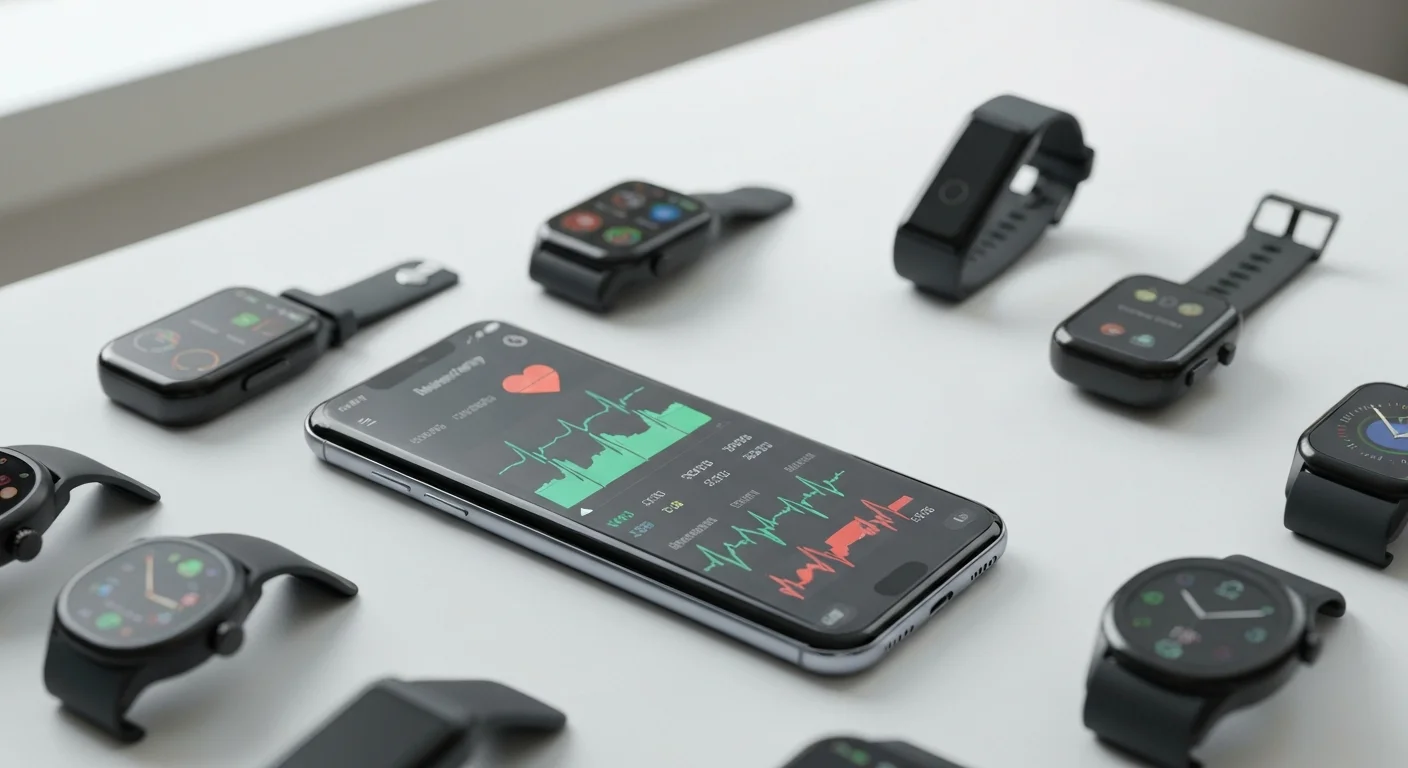
For example, a question about resting heart rate can factor in recent physical activity, cardiac history, and the latest bloodwork — all synthesized into a single response. The platform also includes a personalized dashboard that tracks metrics and trends over time across biomarkers and activity data.
Privacy First
Perplexity has emphasized that health data is encrypted both in transit and at rest, with strict access controls in place. The company says the information is never used to train AI models or sold to third parties — a critical assurance given the sensitivity of medical data.
Rollout and Availability
Perplexity Health will initially roll out to Pro and Max subscribers in the United States over the coming weeks, with broader availability across more user tiers and geographies planned afterward. The feature is powered by Perplexity Computer, the company's multi-model AI workspace.
Implications for AI-Powered Healthcare
Perplexity becomes the second major AI platform to integrate with Apple Health, following OpenAI. The move signals a growing trend of AI companies positioning themselves as health data intermediaries — capable of unifying siloed medical information that patients often struggle to access and interpret on their own.
As AI models become more capable of reasoning over complex, multi-source data, integrations like these could reshape how consumers interact with their health information — though questions around accuracy, liability, and the appropriate role of AI in medical decision-making remain far from settled.