Federal Indictment Unsealed
Federal prosecutors in Manhattan have charged three individuals — including the co-founder of server giant Super Micro Computer — with orchestrating a scheme to illegally divert $2.5 billion worth of AI servers containing restricted Nvidia chips to China through Southeast Asia.
Yih-Shyan "Wally" Liaw, 71, a U.S. citizen who co-founded Supermicro, and Ting-Wei "Willy" Sun, a citizen of Taiwan, were arrested on Thursday. A third defendant, Supermicro's Taiwan general manager Ruei-Tsang "Steven" Chang, remains a fugitive. All three face charges of conspiring to violate export control laws, smuggling goods from the United States, and conspiring to defraud the U.S. government.
Inside the Alleged Scheme
According to the indictment, the conspiracy unfolded during 2024 and 2025. Liaw allegedly took a direct role in identifying Chinese buyers for the restricted servers, which were packed with advanced Nvidia GPU chips subject to U.S. export controls.
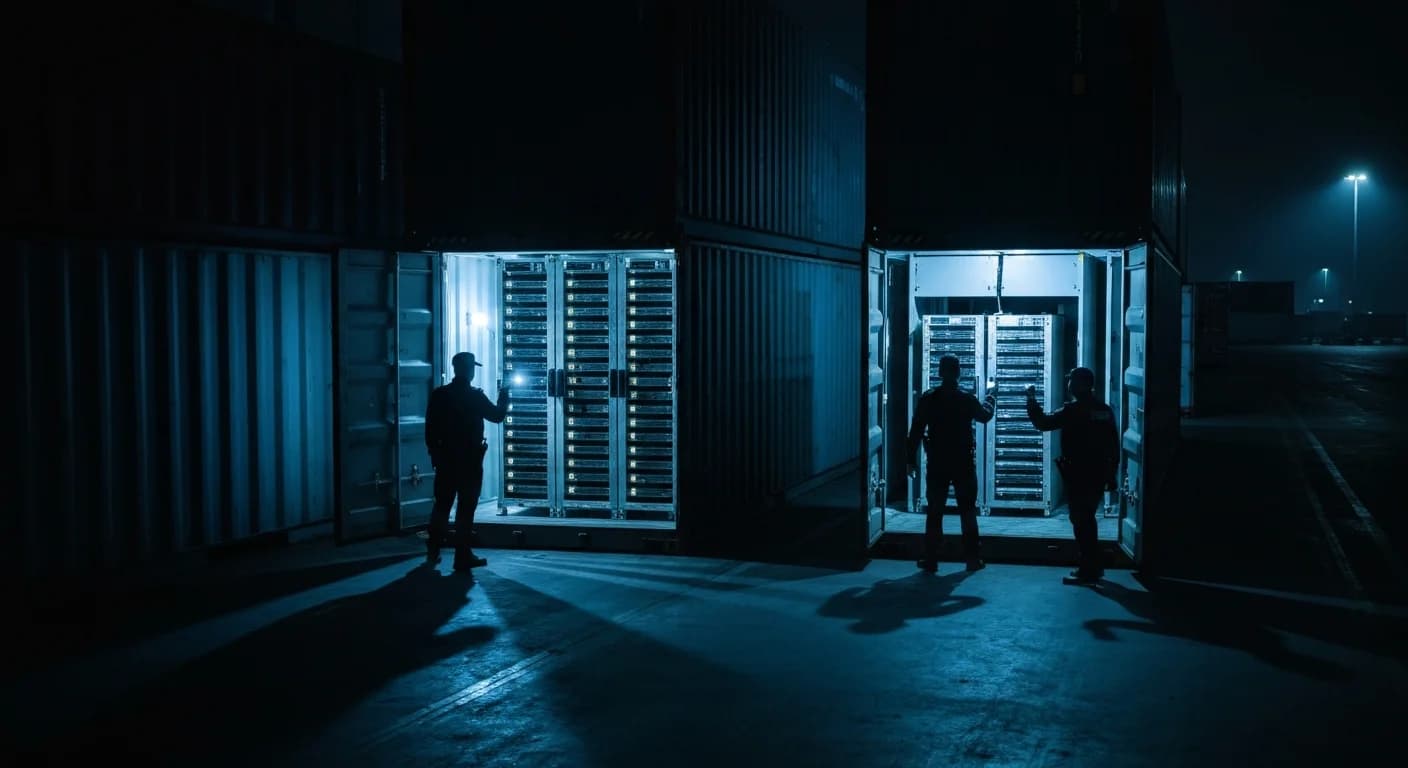
The scheme involved selling $2.5 billion worth of servers to a company based in Southeast Asia, which then repackaged the shipments, sending $510 million worth of servers with banned chips to their true destination: China. Prosecutors allege the defendants went to extraordinary lengths to avoid detection, including using hair dryers to remove labels and serial numbers from restricted machines and attaching them to dummy servers left behind to mislead inspectors.
Market Fallout
Supermicro shares plummeted roughly 33% following the indictment, wiping more than $6 billion from the company's market capitalization. The company itself was not named as a defendant and said it had cooperated with investigators throughout the probe.
Broader Implications for AI Export Controls
The case underscores the intensifying battle over AI chip exports between the United States and China. As advanced GPU hardware becomes central to training and deploying frontier AI models, U.S. authorities have tightened export restrictions on the most powerful chips. This indictment sends a clear signal that enforcement is escalating to match the stakes.
The case also raises questions about supply chain oversight at major server manufacturers and whether existing compliance frameworks are sufficient to prevent diversion of restricted technology. With AI infrastructure valued in the trillions, the incentives for circumventing export controls remain enormous — and the consequences, as this case demonstrates, increasingly severe.