Vercel has launched v0 2.0, a major upgrade to its AI development platform that can now generate, test, and deploy complete full-stack web applications from a natural language conversation. The original v0 generated frontend components. The new version builds entire applications — backend included — and puts them into production.
From Components to Complete Applications
The leap from v0 1.0 to 2.0 is substantial. The original product generated React components and UI layouts from text descriptions. Useful, but limited to the frontend layer. v0 2.0 generates everything a production application needs:
- Frontend: React components with responsive layouts, animations, and accessibility
- Backend: API routes with input validation, error handling, and rate limiting
- Database: Schema design, migrations, and seed data using Vercel Postgres or any supported provider
- Authentication: Complete auth flows using NextAuth.js or Clerk, including OAuth providers
- Testing: Unit tests, integration tests, and end-to-end tests generated alongside the application code
- Deployment: Automatic deployment to Vercel's edge network with preview URLs for every iteration
A user can describe an application — "build a project management tool with team workspaces, Kanban boards, and Stripe billing" — and v0 2.0 generates a working, deployed application within minutes.
How It Works
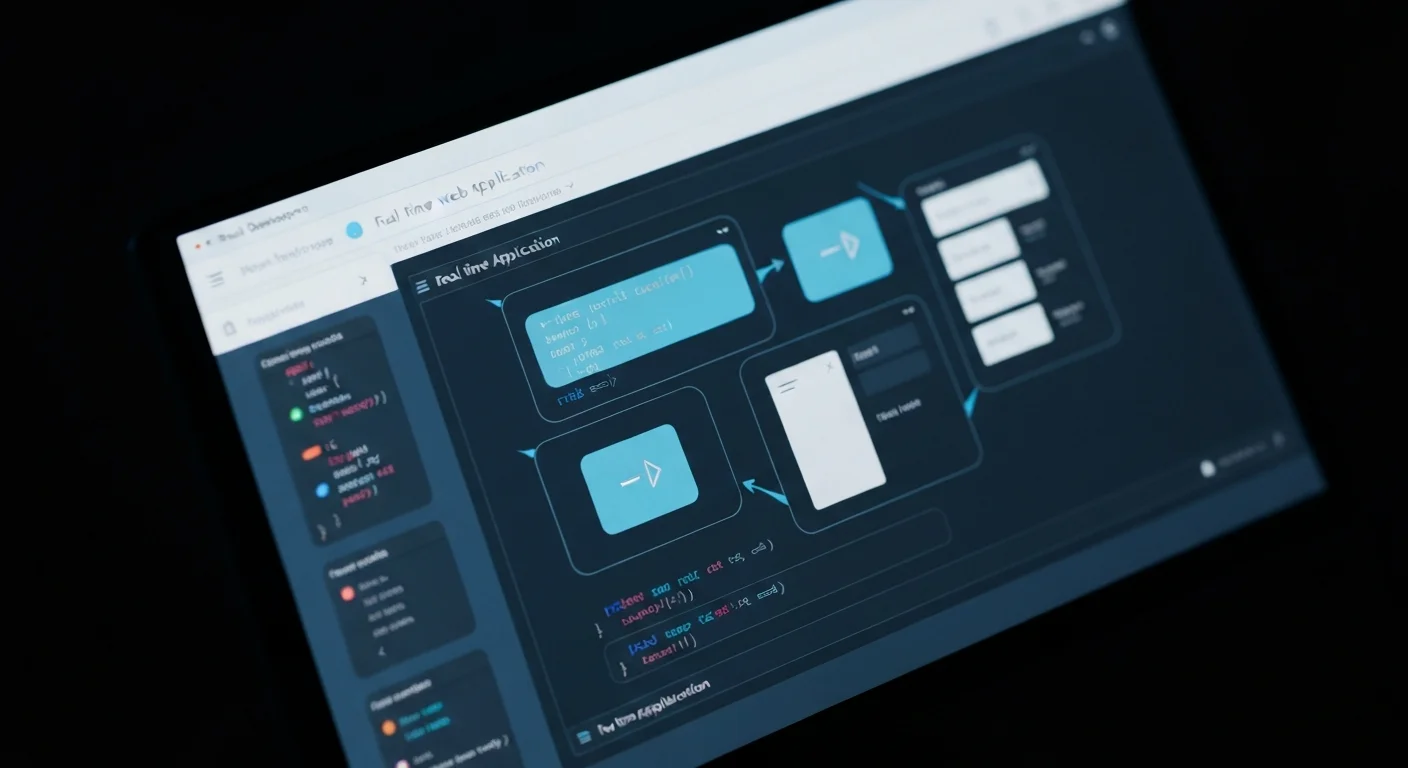
The system uses a multi-agent architecture where specialized AI models handle different layers of the application. A planning agent breaks the request into components. A frontend agent generates the UI. A backend agent builds the APIs. A database agent designs the schema. A testing agent writes tests. And a deployment agent configures the infrastructure.
Each agent can see the outputs of the others, ensuring consistency across the stack. The planning agent acts as an orchestrator, resolving conflicts and maintaining architectural coherence.
Users interact through a chat interface, iterating on the generated application through conversation. Requests like "add real-time notifications" or "switch to dark mode" trigger targeted updates rather than full regenerations.
Built on Frontier Models
Vercel confirmed that v0 2.0 uses a combination of Claude and GPT-5 under the hood, with model selection varying by task. Code generation tasks primarily use Claude, while planning and architectural decisions use GPT-5. The company said it is model-agnostic by design and will integrate new models as they become available.
Developer Reaction
Early access users have been posting results on X and YouTube since the beta launched last month. The reception is broadly positive, with particular praise for the quality of generated database schemas and API designs. Criticism has focused on customization limitations — applications follow Vercel's opinionated stack choices, which may not match existing team conventions.
"It's not going to replace a senior full-stack developer," said Guillermo Rauch, Vercel CEO. "But it will replace the first three weeks of a project. You get a working application, then your team takes it from there."
Pricing
v0 2.0 is included in Vercel Pro plans at $20 per month with 100 generation credits per month. Each generation creates or significantly modifies an application. A free tier offers 10 generations per month. Enterprise pricing with unlimited generations and the option to fine-tune models on a company's codebase is available by request.
The product launches today and is available at v0.dev.