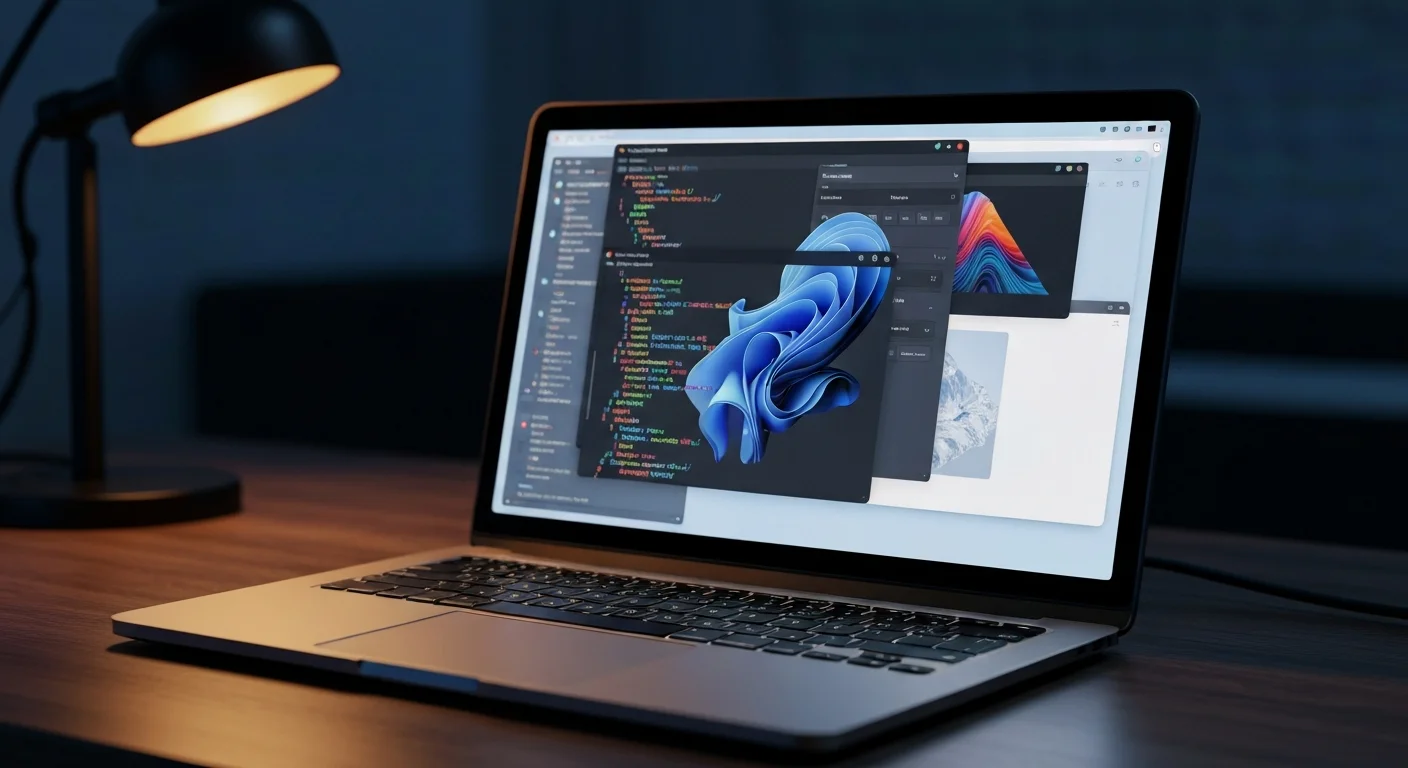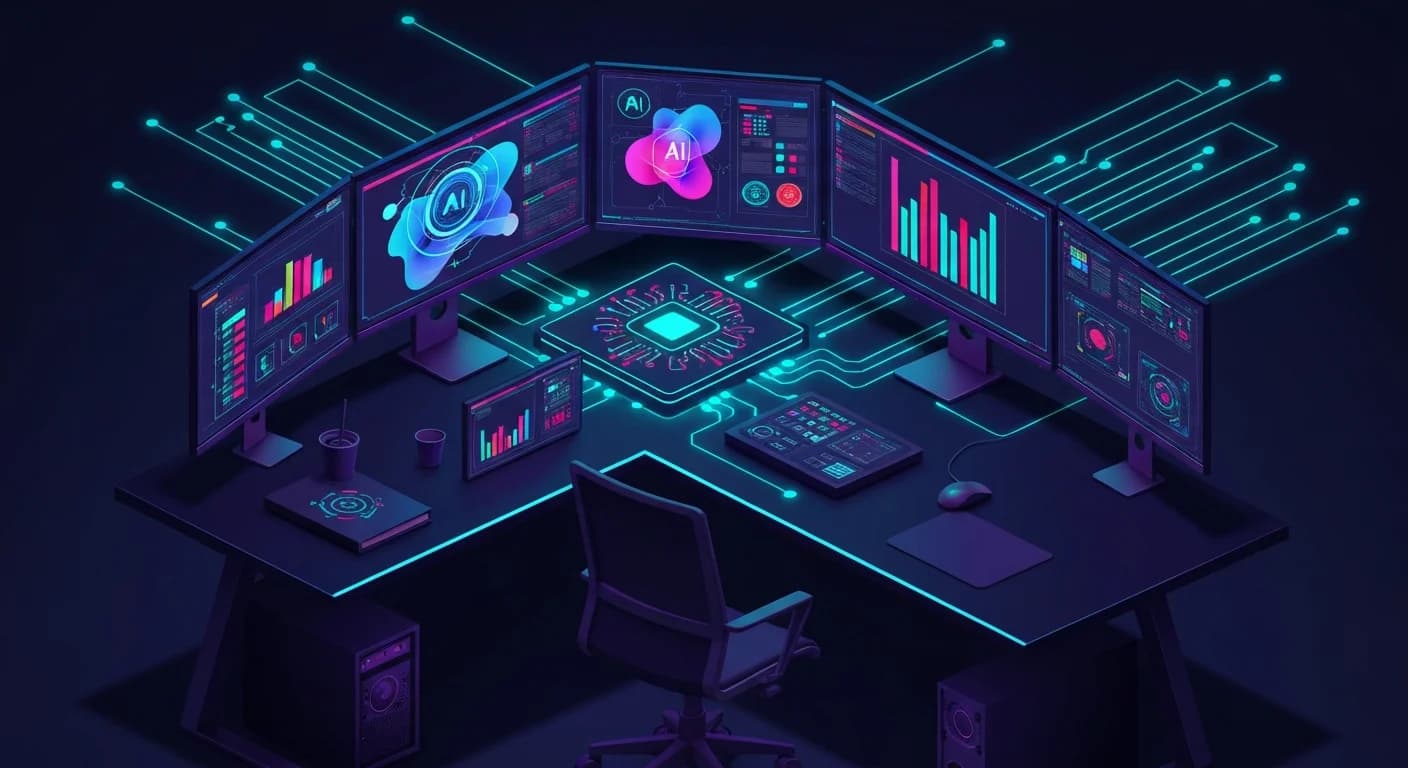
If you've been paying attention to the AI tooling ecosystem in 2026, one acronym keeps showing up: MCP. The Model Context Protocol has gone from an Anthropic-authored spec to an industry-wide standard in under a year. With 50,000 community integrations and counting, MCP is becoming the connective tissue between AI models and the tools developers use every day.
What MCP Actually Does
MCP is a standardized protocol that lets AI models interact with external tools, databases, APIs, and services through a consistent interface. Think of it as USB-C for AI — one plug that fits everything. Before MCP, every AI tool integration required custom code. Now, a single MCP server can expose your database, CI pipeline, or internal APIs to any MCP-compatible AI client.
This matters because AI coding agents — from Claude Code and Copilot to Cursor — are becoming the primary interface developers use to interact with their entire stack. MCP is what makes those interactions possible without brittle, one-off integrations.
Why It's a Career Skill Now
The developer job market is shifting fast. Companies hiring for AI-integrated workflows increasingly list MCP experience alongside traditional skills. Building MCP servers is becoming as fundamental as building REST APIs was a decade ago. If you can expose your company's internal tools via MCP, you make every AI agent in the organization more capable — and that's a high-leverage skill.
The parallels to LangChain's visual agent builder are clear: the industry is standardizing around composable AI tool chains, and MCP is the protocol layer that makes composition possible.
Getting Started
The best way to learn MCP is to build something with it. FreeAcademy's MCP (Model Context Protocol) course walks you through building MCP servers from scratch, connecting them to AI clients, and deploying them in production. It's the most direct path from zero to building real integrations.
For developers who want to understand the broader context of AI-powered applications, the Full-Stack RAG with Next.js, Supabase and Gemini course covers the retrieval and generation patterns that MCP servers often expose.
The Risk of Waiting
MCP adoption is accelerating, not slowing down. Every major AI platform now supports it. IDE plugins, CLI tools, and cloud services are building MCP-first integrations. Developers who learn it now will be the ones building the infrastructure that everyone else depends on. Those who wait will be consuming MCP integrations built by others — a less valuable and less interesting position to be in.
The protocol is open, the tooling is maturing, and the community is growing. There's no better time to start. For a sense of what the MCP-enabled agent layer is unlocking on the business side, 7 AI agents every e-commerce business should deploy in 2026 covers concrete use cases already in production.