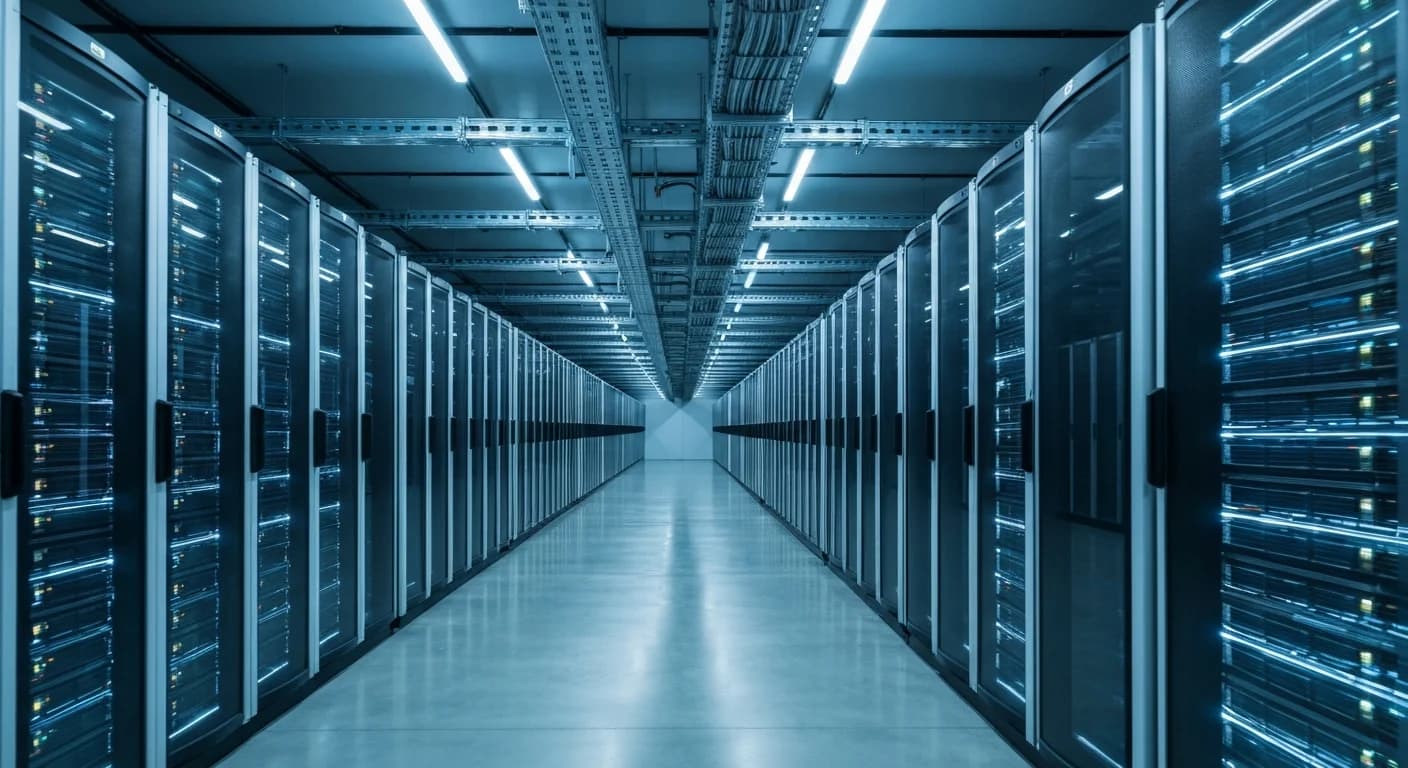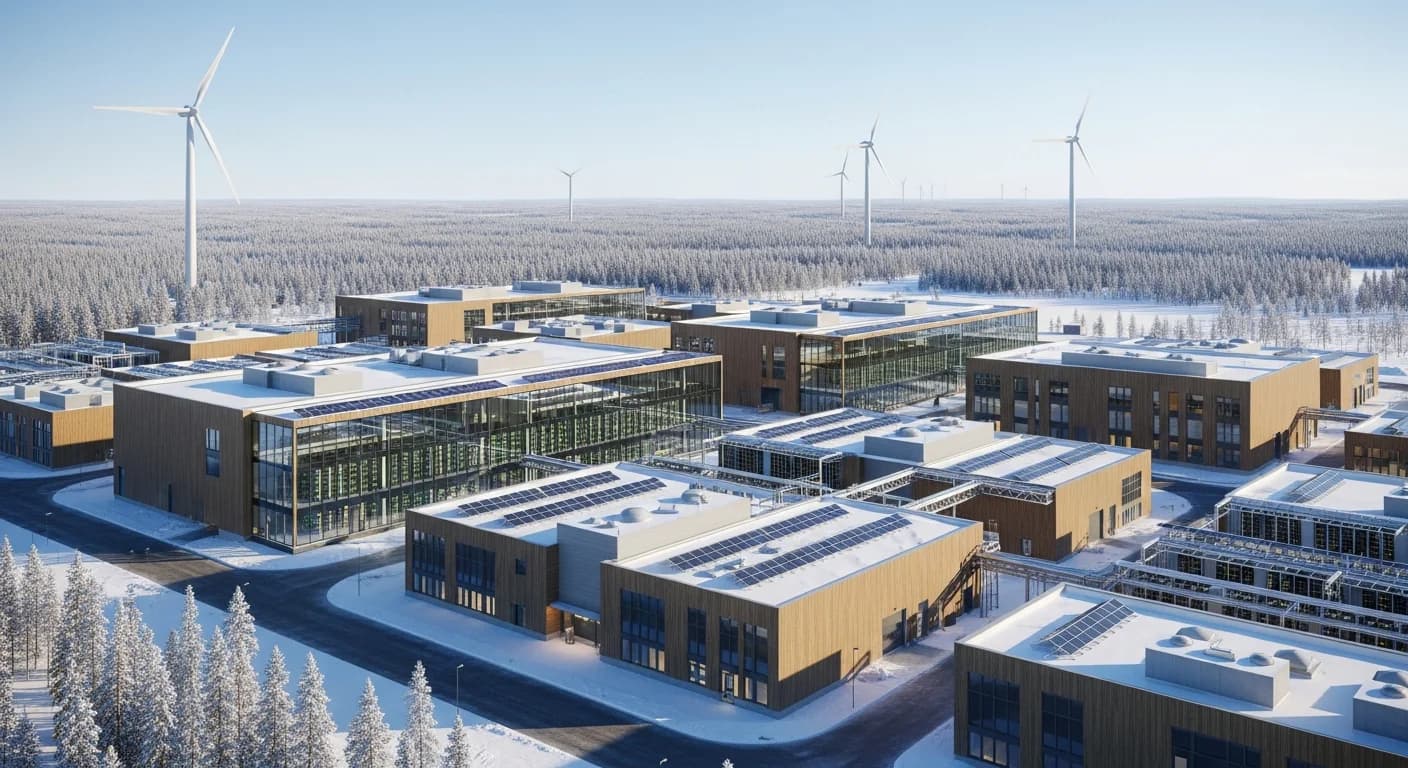
AI infrastructure firm Nebius announced plans to build a 310-megawatt data center in Finland, a project valued at more than $10 billion that would rank among Europe's biggest AI computing facilities.
A Strategic Bet on European Infrastructure
The announcement underscores how demand for GPU capacity is driving a new wave of hyperscale expansion across Europe. As AI models grow larger and more compute-intensive, access to high-capacity data centers has become a critical competitive advantage.
Nebius's Finland project represents one of the most significant infrastructure investments in European AI to date, signaling that the AI race is no longer just about models—it's about land, power, grids, and long-term infrastructure control.
Europe's Sovereign AI Push
The move matters beyond one company. Europe has been actively working to build more sovereign AI capacity rather than relying too heavily on U.S. cloud giants like Amazon Web Services, Microsoft Azure, and Google Cloud.
Large local compute hubs are increasingly viewed as strategic national assets. Governments across the EU have been pushing for more domestic AI infrastructure to ensure data sovereignty, reduce latency for local applications, and maintain control over critical technology capabilities.
Why Finland?
Finland offers several advantages for large-scale AI data centers:
- Renewable energy access: Finland has abundant hydroelectric and wind power, crucial for the massive energy demands of AI computing
- Cool climate: Natural cooling reduces operational costs and environmental impact
- Strong infrastructure: Excellent connectivity to European networks and stable power grid
- Favorable regulations: Finland has been welcoming to large tech investments
The $635 Billion Question
Nebius's announcement comes as Big Tech collectively plans to spend more than $635 billion on AI infrastructure in 2026. Microsoft, Amazon, Google, and Meta are all racing to expand capacity, but rising energy costs and geopolitical tensions are creating headwinds.
The competition for GPU capacity, power, and prime data center locations is intensifying globally. Projects like Nebius's Finland facility represent the kind of long-term infrastructure bets that will determine who can actually compete in the AI era.
Implications for European AI
For European AI startups and enterprises, more local compute capacity could reduce dependence on American hyperscalers and potentially lower costs for training and inference. It also creates new opportunities for the regional tech ecosystem, from construction to renewable energy to talent development.
As the AI infrastructure race accelerates, Europe is positioning itself to be more than just a consumer of American AI—it's building the physical foundation to compete.