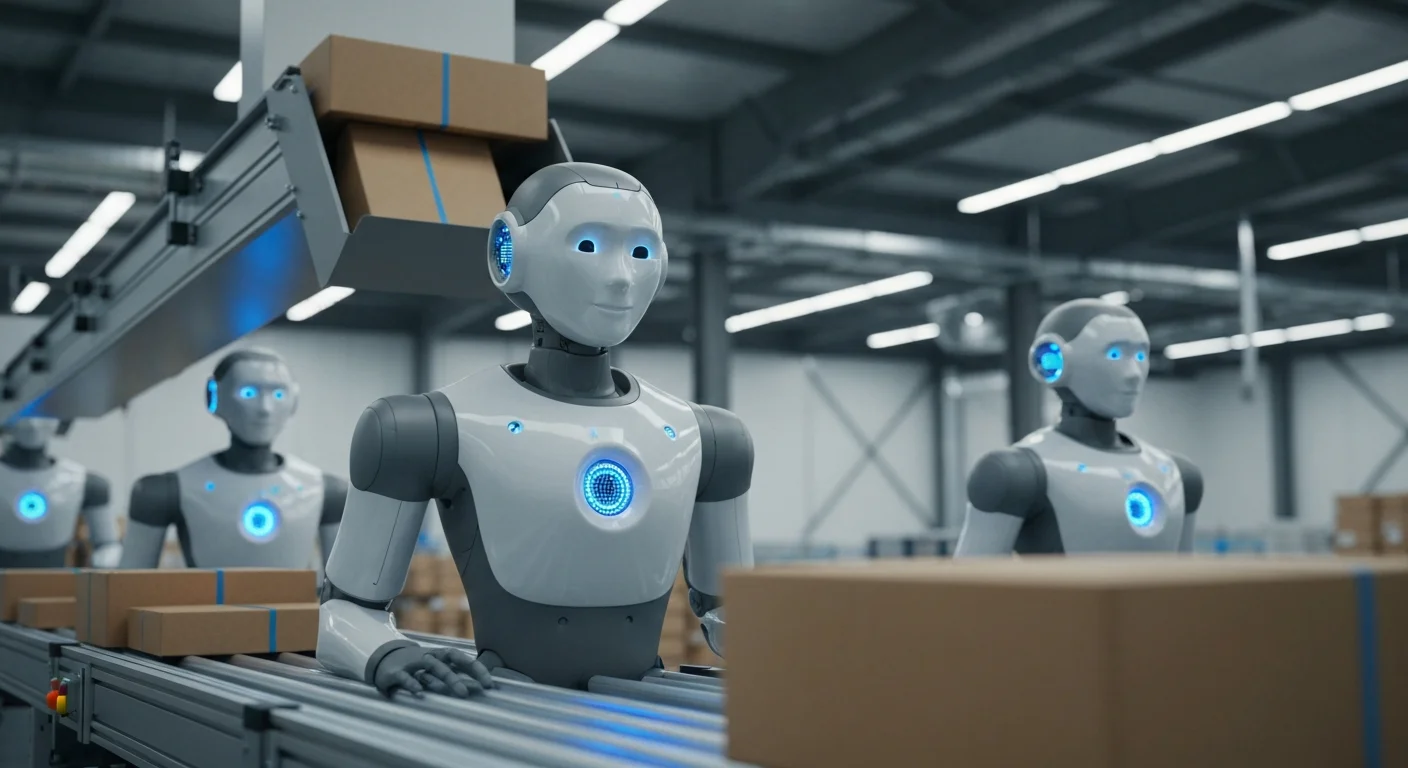
Figure AI used an unannounced YouTube livestream on May 14 to push its humanoid robots well past anything the company had publicly demonstrated before. Three Figure 03 units — quickly nicknamed Bob, Frank, and Gary by viewers — sorted small packages onto a conveyor belt in continuous relay shifts, running entirely on the company's onboard Helix-02 neural network with no human teleoperation. By the time the stream rolled over the one-day mark, the team had passed 24 hours of nonstop operation with zero failures, sorting more than 28,000 packages in the process.
CEO Brett Adcock framed the result as a category shift for humanoid robotics. "Our original goal was an 8-hour run," he wrote on X. "After zero failures yesterday, we decided to keep going. We're now over 24 hours of continuous autonomous operation without a failure. This is uncharted territory." According to Adcock, the robots were "reasoning directly from camera pixels" rather than running scripted motions, and clocked roughly three seconds per package — a pace he called "human parity" for the same task.
Why Helix-02 matters
Helix-02 is Figure's unified, on-device neural network that combines vision, tactile sensing, proprioception, and whole-body control in a single model rather than the layered stacks most industrial robots use. Figure has previously described it as a three-tier system, with a high-frequency low-level controller, a visuomotor policy that ties cameras and touch into joint commands, and a semantic-reasoning layer that handles language and scenes. The point of the livestream was less the package count than the demonstration that all of that runs onboard, in the open, for an unbroken shift — including autonomous recovery when a robot gets a bad pick.
Pushing past the original window
The demo did not stop at 24 hours. Follow-up coverage from Interesting Engineering and others reported the run extended to roughly 40 hours and nearly 50,000 packages before wrapping, with a fourth robot — "Rose" — joining the rotation. Robots that hit hardware or software trouble could reportedly walk themselves off the line for maintenance while the rest of the fleet kept working, a behavior closer to a managed workforce than a single-task automaton.
Implications for the humanoid race
Humanoid robotics has spent the past two years stuck between flashy lab demos and the much harder problem of uptime in a real environment. A 24-plus-hour shift at human-parity speed, on a single learned policy, is the kind of evidence customers in logistics and manufacturing have been waiting for before they sign anything that looks like a long-term deployment. It also raises the bar for competitors — Tesla's Optimus program, Apptronik, 1X, and the wave of Chinese humanoid makers like Unitree and UBTech — to show comparable continuous-operation numbers rather than choreographed clips.
The livestream did not address pricing, customer pilots, or how Helix-02 generalizes beyond package sorting. But for a field where "autonomous" has often meant "autonomous for two minutes," Figure just moved the goalposts on what counts as a believable demo.