Eli Lilly is making one of the largest bets yet on AI-designed biology. On April 28, 2026, the pharma giant and Berkeley-based AI biotech Profluent announced a multi-program strategic collaboration to develop custom site-specific recombinases for genetic medicines, with Profluent eligible to receive up to $2.25 billion in milestone payments plus tiered royalties on net sales. The deal also includes an upfront payment and committed research funding, though neither company disclosed those figures.
The partnership is Profluent's first major pharma alliance and Lilly's most explicit move to date to push beyond conventional CRISPR. According to STAT, Lilly executives framed the agreement as a hunt for genetic medicine's "holy grail" — an editor that can precisely insert or rearrange long stretches of DNA in the body, not just cut single bases.
Generative protein design meets gene therapy
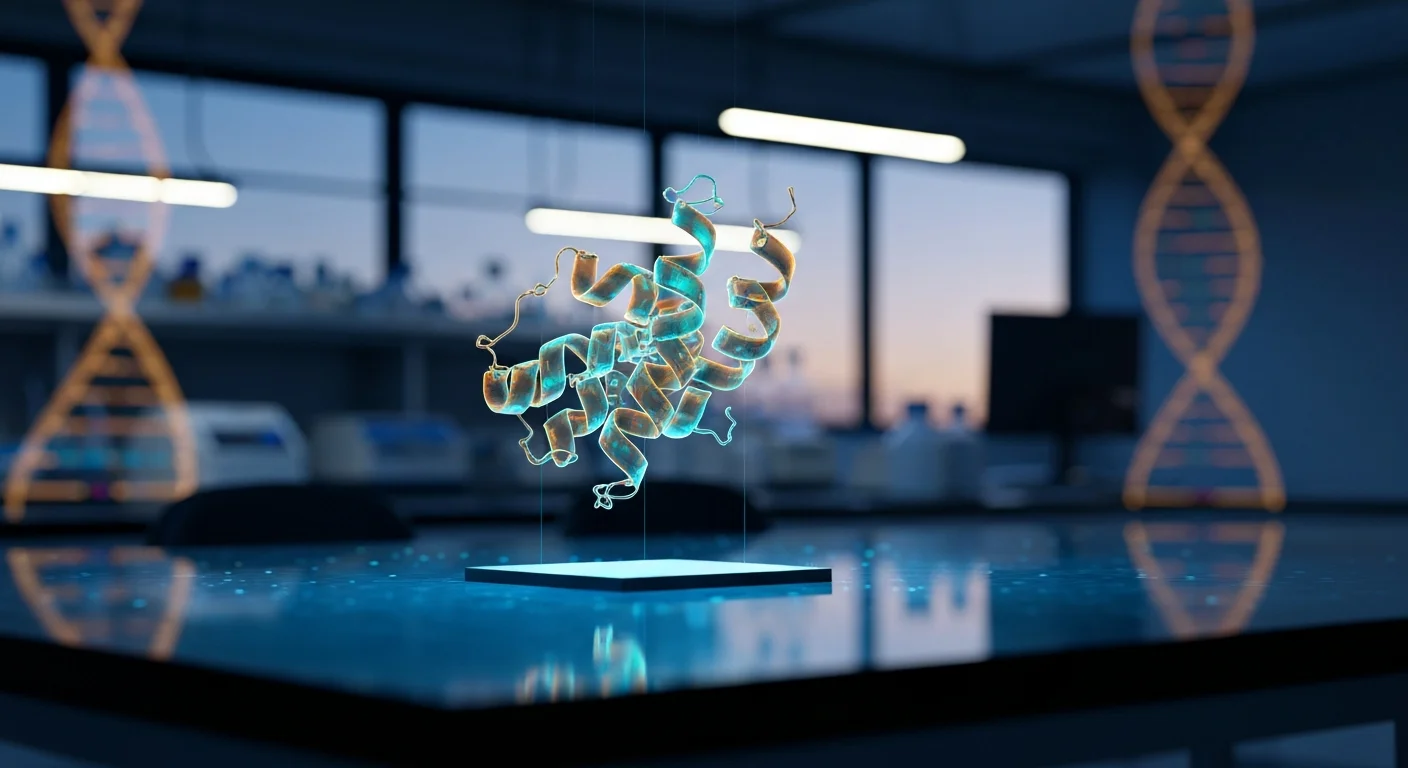
Profluent, which counts Jeff Bezos among its backers, builds generative models trained on what it describes as the world's largest protein dataset, including the most comprehensive collection of naturally occurring recombinases ever assembled. Recombinases are enzymes evolved to cut, insert, and rearrange DNA at specific recognition sequences. Profluent's models are designed to generate novel recombinases programmed for genomic addresses that don't appear in nature — a capability the company claims unlocks kilobase-scale edits that base, prime, and standard CRISPR-Cas systems struggle to deliver safely.
Under the terms announced, Lilly receives an exclusive license to advance selected Profluent-designed recombinases through in vivo research, preclinical work, clinical studies, and commercialization, focused on diseases with severe unmet needs.
A signal moment for AI-native biotech
The deal lands at a moment when AI protein design has gone from academic curiosity to enterprise-scale pharma infrastructure. Anthropic's bio acquisition earlier this month, OpenAI's GPT-Rosalind life-sciences model, and Novo Nordisk's OpenAI partnership have all pushed the same thesis: foundation models for biology are now anchor pillars of drug pipelines, not science experiments.
For Profluent, the Lilly collaboration validates a business model that competing AI biotechs have struggled to crack — converting model capability into committed pharma R&D dollars. For Lilly, it is a hedge against the limits of CRISPR-based platforms it and rivals have already invested heavily in.
What to watch
The near-term test is preclinical. Site-specific recombinases have promised kilobase-scale editing for years; the unanswered question is whether AI-designed variants can hit the precision and safety bar required for in vivo human therapeutics. The medium-term test is whether other big pharmas now follow Lilly into the AI-protein-design buying spree, or wait to see Profluent's molecules clear the bench.
Either way, the message from April 28 is unambiguous. Generative models are no longer just writing code — they are writing the enzymes that may, eventually, rewrite the genome.