Greg Abel used his first annual meeting as Berkshire Hathaway's chief executive to draw a sharp line between Wall Street's AI exuberance and how the conglomerate will actually adopt the technology. Speaking to shareholders in Omaha on May 2, 2026, Abel said Berkshire will deploy artificial intelligence only where it produces measurable gains for its operating businesses, an approach he and analysts have begun calling "narrow AI."
"We're not going to do AI for the sake of AI," Abel told the audience. "It has to be additive to our businesses." The remarks, which dominated the morning session, set a deliberate counterweight to the multi-hundred-billion-dollar capital expenditure plans announced this year by hyperscalers including Microsoft, Google, Amazon and Meta.
Targeted deployments at BNSF and the insurance unit
Abel pointed to two operating businesses where AI is already producing returns. At railroad subsidiary BNSF, machine learning tools are being used to optimize train scheduling and track maintenance. According to data shared at the meeting, BNSF handled more freight in the first quarter of 2026 than a year earlier while using 260 fewer locomotives, a productivity gain Abel framed as the kind of practical outcome Berkshire wants from any AI investment.
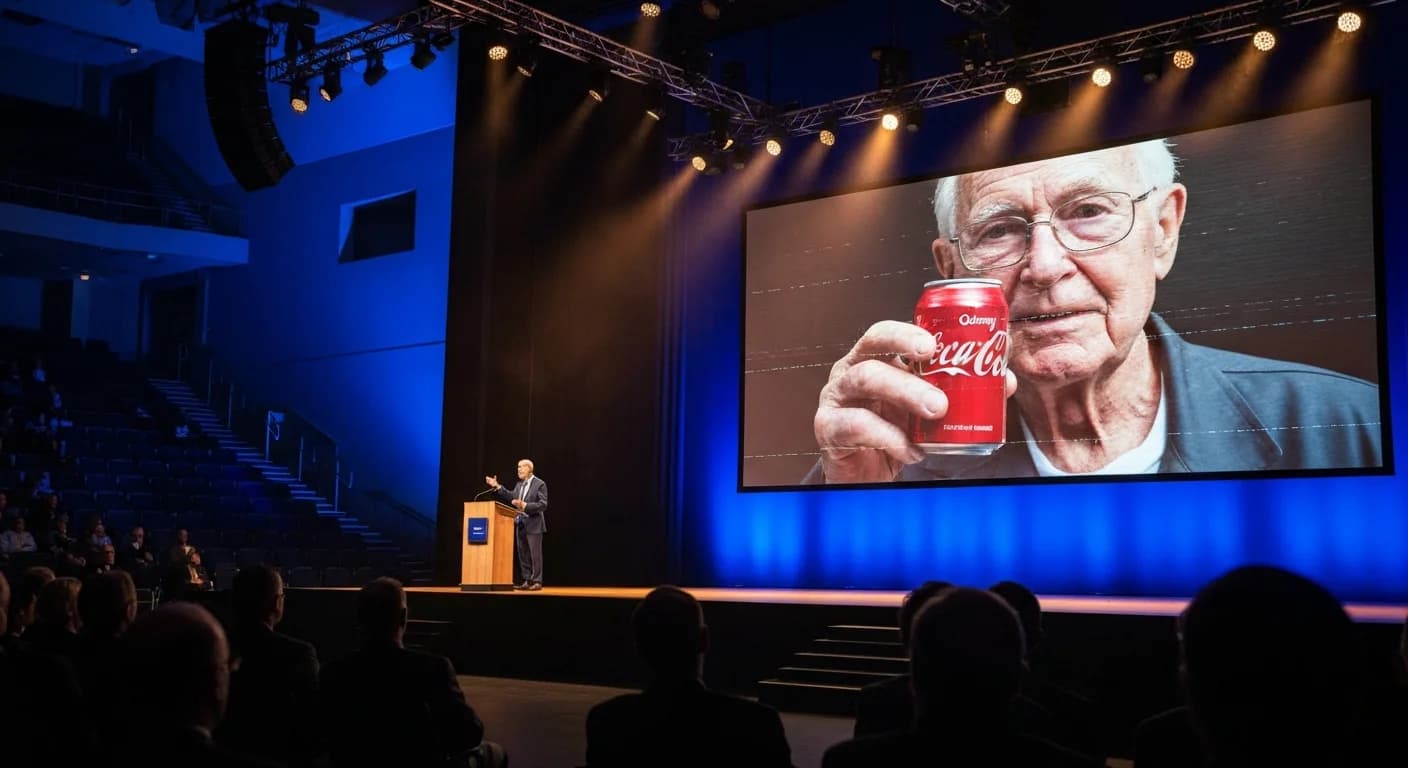
In insurance, the company is leaning on AI to flag fraudulent claims and detect deepfake media used in scams, an issue Abel said has become a daily operational concern. The meeting itself opened with an AI-generated video of Warren Buffett, which Abel cited as evidence of how quickly synthetic media has matured.
Energy and data centers as the growth engine
While Abel was cool on AI hype, he was bullish on the infrastructure that supports it. Data centers currently account for roughly 8% of peak load in Berkshire Hathaway Energy's key service territories, including Iowa, and Abel forecast a 50% increase over the next five years. He said hyperscalers will be required to cover the full cost of the new generation, transmission and grid upgrades, shielding residential and commercial ratepayers from absorbing the buildout.
That stance lines up with utility-side concerns raised across the industry as power demand from AI training and inference workloads strains regional grids.
Continuity with the Buffett playbook
Abel, who took over as CEO when Buffett stepped down in January, framed the AI posture as continuous with Berkshire's long-standing skepticism of unproven technology narratives. The company famously sat out the dot-com bubble before later building large positions in Apple and other tech names once the economics were clear.
For investors watching whether Berkshire would pivot toward AI exposure under new leadership, Abel's message on May 4's news cycle was unambiguous: the conglomerate will be a heavy supplier of power to the AI economy and a careful internal user of the technology, but not a believer in AI for its own sake.