Qualcomm CEO Cristiano Amon told Fortune that the chipmaker is working with "pretty much all" of the major AI labs on secret hardware projects designed to anchor the post-smartphone era. The remarks, published May 9, lift the veil on one of the more closely guarded strategic shifts in Silicon Valley: the race to ship a generation of consumer devices built around autonomous AI agents rather than apps.
'Some secret form factors I cannot tell you about'
Amon would not name every partner, but he confirmed that OpenAI and Meta are among the AI companies Qualcomm is supplying. "There are some secret form factors that I cannot tell you about," he said, adding, "I think we're working with pretty much all of them." He described the next wave of consumer hardware as "things you wear" — glasses, jewelry, pins and pendants — rather than something held in the hand.
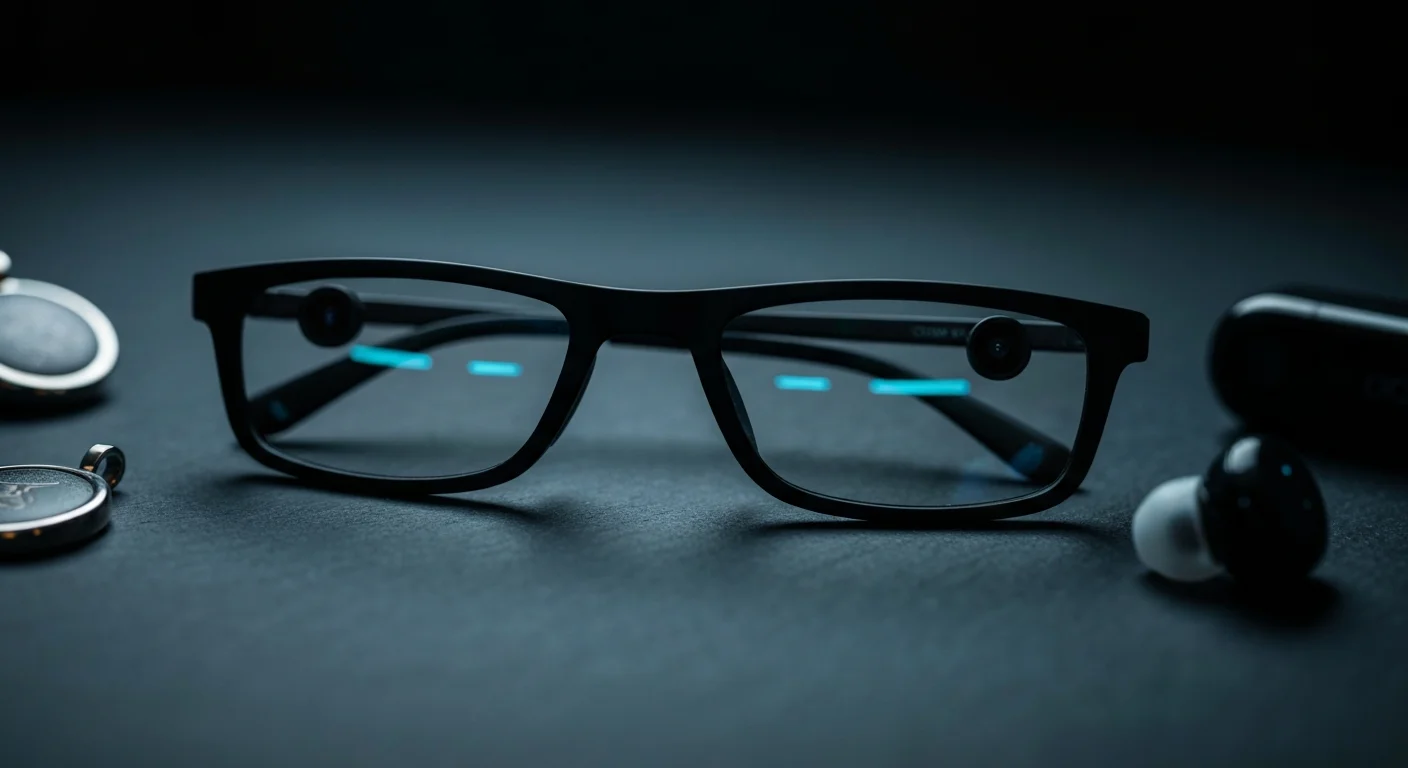
The Qualcomm chief framed the strategy as an "ecosystem of you," a constellation of sensors stitched together by a single agent. Glasses provide cameras pointed at whatever the wearer is looking at; earbuds capture the audio they hear; a phone or pendant can host more compute and a display. "Not everybody wears the same clothes, not everybody wears the same glasses," Amon said, hinting at why the category may fragment across multiple form factors rather than coalesce into a single hero device.
Why the timing matters
The comments land at a pivotal moment for the AI hardware race. OpenAI, working with former Apple designer Jony Ive, is developing its first consumer device, and prior reporting has placed Qualcomm and MediaTek at the center of the custom processor effort. Meta has continued to push its Ray-Ban smart glasses partnership with EssilorLuxottica, while ByteDance launched a Doubao-powered AI phone in China late last year through ZTE's Nubia brand — the first run reportedly sold out, with a second-generation device planned for Q2 2026.
For Qualcomm, the bet is straightforward. If a meaningful slice of consumer compute migrates from the phone to wearables — and if smartphones themselves are reshaped into AI-first form factors — the company wants to be the silicon provider on both sides of that transition. Analyst notes referenced by Fortune project 300 to 400 million annual shipments for an OpenAI-class device if it succeeds, a volume that would rival iPhone scale.
The phone isn't dead — yet
Amon was careful not to declare smartphones obsolete. He sees the phone becoming one node in an ecosystem anchored by an AI agent, and told Fortune the new categories will become "unavoidable" by 2027 or 2028. That framing implies an inflection point rather than a cliff: agents need to be capable enough to take over scheduling, search and creation tasks that today still require apps.
The strategic prize, Amon's comments suggest, is the agent itself. Whoever owns the operating-system equivalent for AI agents will dictate where compute lives, which sensors are required, and which chipset ships inside. Qualcomm's pitch — delivered without naming the names that matter most — is that no matter who wins that race, its silicon is already in the prototype.