A grassroots referendum drive in Box Elder County is shaping up as the most concrete test yet of whether American voters can slow the AI data center boom at the local ballot box. Rural Utahns who watched their county commissioners unanimously wave through Kevin O'Leary's 40,000-acre 'Wonder Valley' project last week are now scrambling to put the decision back in front of voters in November.
A 40,000-acre footprint, twice the state's power demand
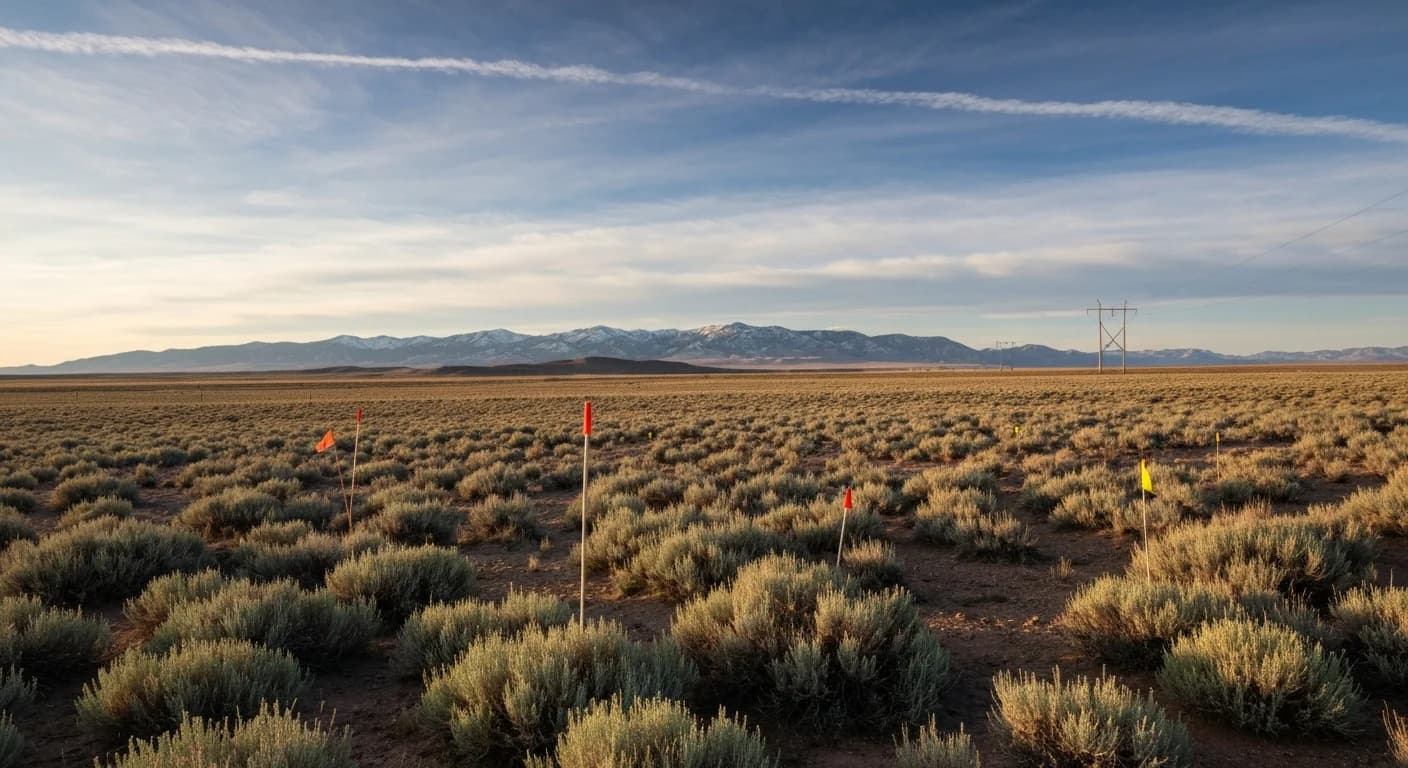
Wonder Valley — referred to in state filings as the Stratos Project — is being shepherded by Utah's Military Installation Development Authority (MIDA) and championed by O'Leary, the 'Shark Tank' personality known as 'Mr. Wonderful.' At more than 40,000 acres, the campus would cover an area more than two and a half times the size of Manhattan and, by industry estimates cited in local reporting, draw more than twice the electricity the entire state of Utah consumes today.
The Box Elder County Commission approved the project unanimously on May 4 in front of a crowd of hundreds chanting 'Shame! Shame! Shame!' Residents argued the timeline gave them no realistic window to assess effects on power, water, and air quality before the vote was called.
The referendum push
A group calling itself the Box Elder Accountability Referendum, led by Brigham City resident Brenna Williams as a lead sponsor, has filed paperwork seeking to put the commission's approval to a public vote in November. Under Utah's referendum rules, sponsors need 5,422 valid signatures from registered Box Elder voters on each qualifying petition, with 45 days to collect them once the application clears legal review. County officials are still vetting the first filing, and organizers have signaled additional applications are coming.
The organizing has already produced one tangible win: after thousands of Utahns filed formal protests with the state engineer, the entity behind the project withdrew its initial water rights request — though backers stress they are not abandoning the development, only re-routing the water plan.
A national flashpoint
Wonder Valley joins a growing list of U.S. communities — from Virginia to New Jersey to Indiana — pushing back against hyperscale AI campuses they see as imposed rather than negotiated. Scientists at Utah State University and Brigham Young University have warned that a data center cluster of this scale could create a heat-island effect serious enough to accelerate evaporation from the already-shrinking Great Salt Lake.
O'Leary has dismissed much of the opposition, claiming in a video posted to X that many protesters were bused in from out of state or paid — a characterization Box Elder residents and local journalists have publicly disputed. Tensions have spilled beyond town halls: state Sen. Jerry Stevenson — a MIDA board member tied to the debate — was filmed this week slapping an ABC4 reporter's phone out of his hand outside his Layton-area nursery business.
The implication
For AI infrastructure investors, Wonder Valley is becoming a stress test. Frontier-model training and inference roadmaps assume gigawatt-scale capacity can be brought online in a handful of states with friendly permitting. If 5,422 signatures in a rural Utah county can pause a project of this size, the calculus on where — and how transparently — the next wave of data centers gets sited may have to change.