AI chip startup Cerebras Systems is poised to price one of the year's most closely watched technology IPOs on May 13, after investor demand for the offering ran more than 20 times oversubscribed. The frenzy pushed the company to raise its proposed range to $150 to $160 a share — up from the $115 to $125 it had disclosed only days earlier — and to expand the deal to 30 million Class A shares from 28 million.
At the top of the new range, Cerebras would raise roughly $4.8 billion and carry a fully diluted valuation of about $48.8 billion, according to reports on its amended filing. That is nearly double the roughly $26 billion valuation implied by the initial pricing terms it disclosed in early May, and well above the roughly $23 billion range it floated when it refiled to go public in April. Shares are expected to begin trading on the Nasdaq under the ticker CBRS the day after pricing.
A second shot at the public markets
The listing caps a long, complicated road. Founded by CEO Andrew Feldman — who previously sold server startup SeaMicro to AMD — Cerebras first filed to go public in 2024 but withdrew after a U.S. national-security review of the minority stake held by Abu Dhabi's G42. That review concluded after G42's holding was restructured into non-voting shares, clearing the path for the company's refiling earlier this year. Other backers reportedly include AMD, Tiger Global and Fidelity, alongside angel investors tied to OpenAI.
Wafer-scale bet meets the inference boom
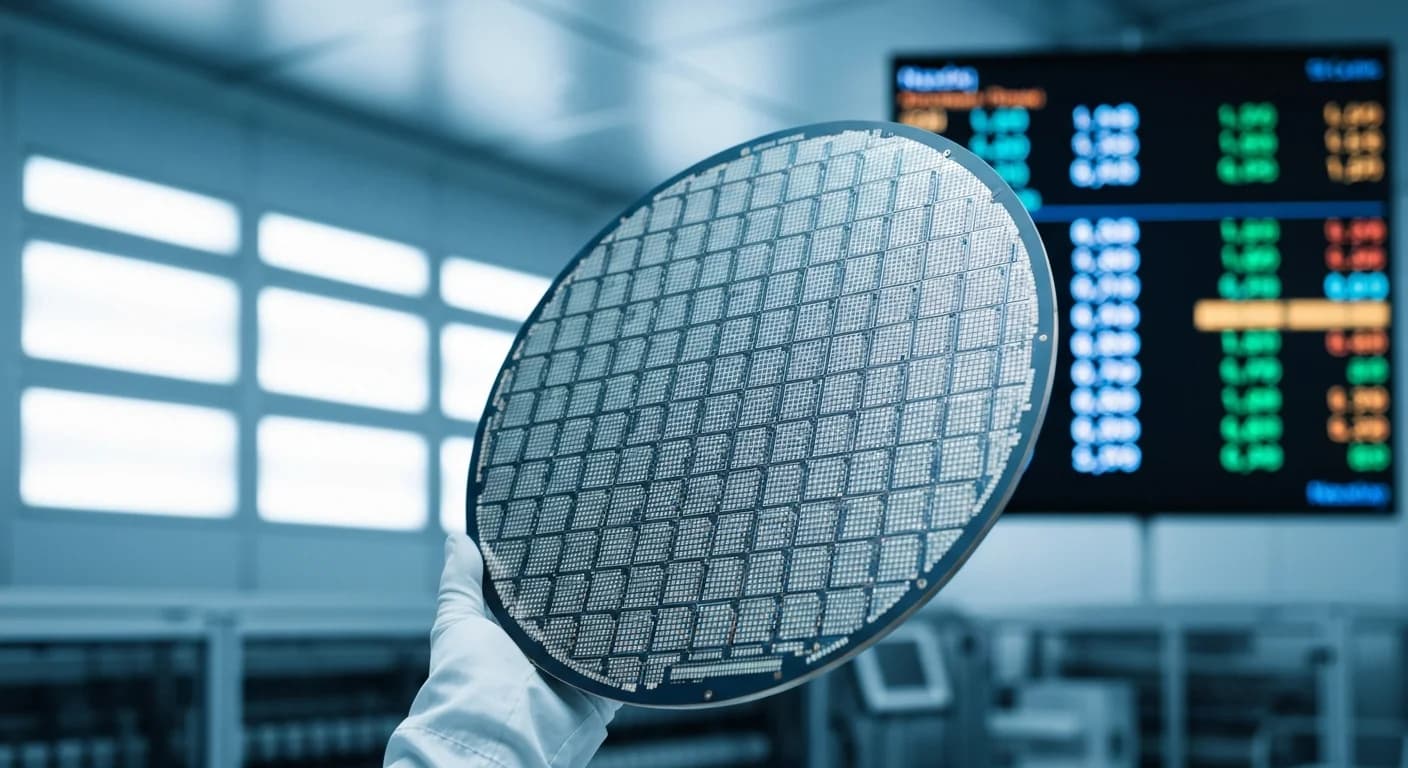
Cerebras's pitch rests on its "Wafer Scale Engine," which treats an entire silicon wafer as one giant processor instead of linking many smaller chips. The company argues the design cuts data-movement bottlenecks and delivers faster inference — the increasingly dominant cost center as enterprises move AI from pilots into production. Its disclosed financials show roughly $510 million in 2025 revenue, up sharply from about $290 million the prior year, with GAAP results swinging to a net profit — though that figure leans heavily on a one-time paper gain tied to restructuring the G42 stake, and the company still posted an operating loss for the year. A large multi-hundred-megawatt compute commitment from OpenAI, a deal reported to be worth more than $10 billion, is a central part of the growth story investors are buying.
Implications
The scale of the oversubscription says as much about the market as about Cerebras. With Nvidia dominant and chip equities volatile — the sector had one of its worst sessions in months this week — investors are hungry for credible alternatives in AI silicon, and willing to pay a steep multiple of trailing revenue to get exposure. A strong debut would likely accelerate IPO planning across the AI-infrastructure pipeline; a wobble would be read as a signal that public-market patience for richly valued, customer-concentrated AI hardware names has limits. Either way, CBRS becomes an immediate barometer for how Wall Street prices the inference era.