Google has formally introduced Googlebook, a new line of premium Android-powered laptops engineered around Gemini Intelligence, and the industry is still digesting what it means for the decade-old Chromebook formula. Announced on May 12 during Google's livestreamed Android Show: I/O Edition and detailed in a post by Alex Kuscher, Senior Director of Laptops and Tablets, the devices are scheduled to begin shipping this fall through hardware partners Acer, ASUS, Dell, HP and Lenovo.
Googlebook is the clearest signal yet that Google sees the personal computer not as a window onto the cloud but as a surface for an always-on AI agent. The company describes the platform as built "from the ground up for Gemini Intelligence," the umbrella brand Google is using to consolidate its consumer AI features across phones, watches, cars and now laptops.
What is actually new
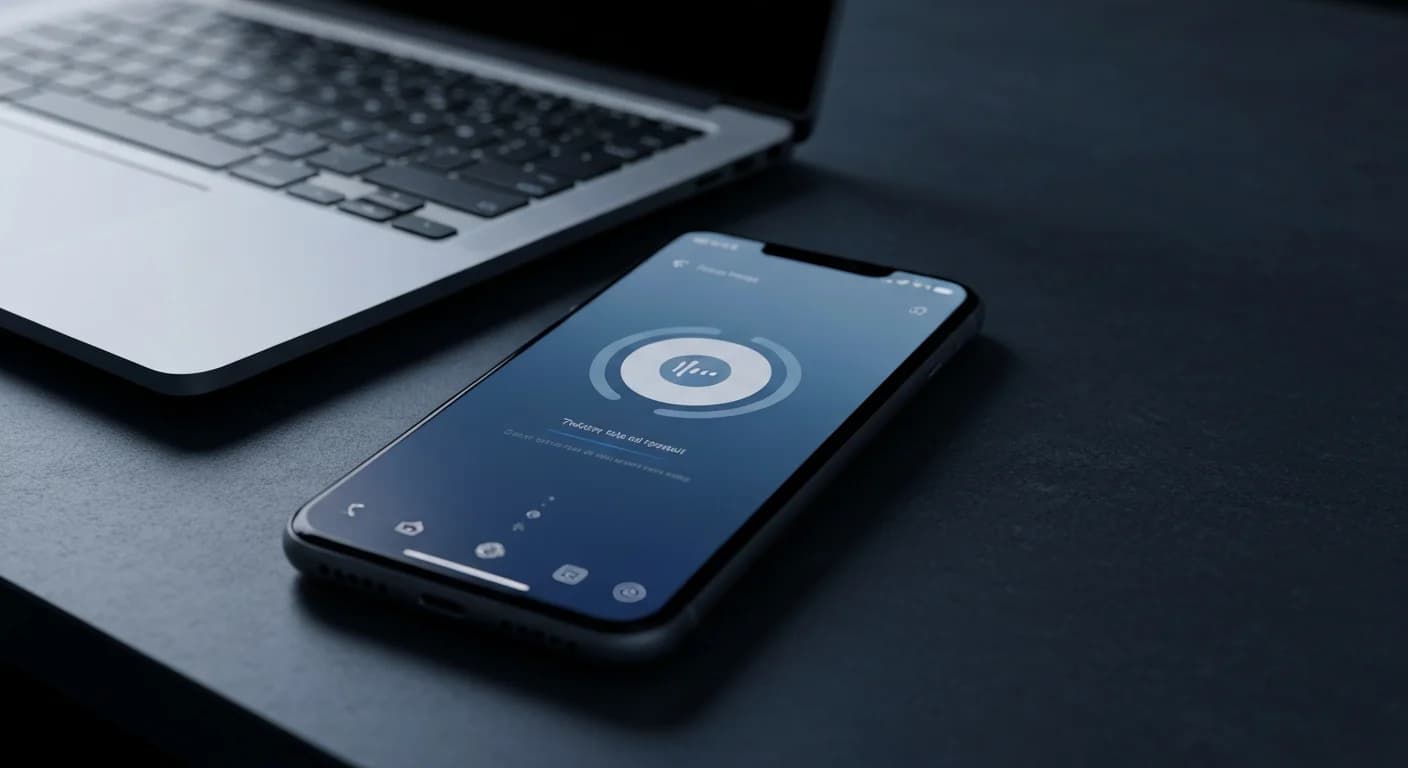
Three features anchor the launch. Magic Pointer, developed in collaboration with Google DeepMind, turns the cursor into a contextual entry point for Gemini: pointing at a date offers to schedule a meeting, hovering over an image offers comparisons or edits. Create Your Widget lets users prompt Gemini in natural language to assemble custom dashboards that pull live data from Gmail, Calendar and other connected apps. Quick Access surfaces files from a paired Android phone directly inside the laptop's file browser, eliminating manual transfers.
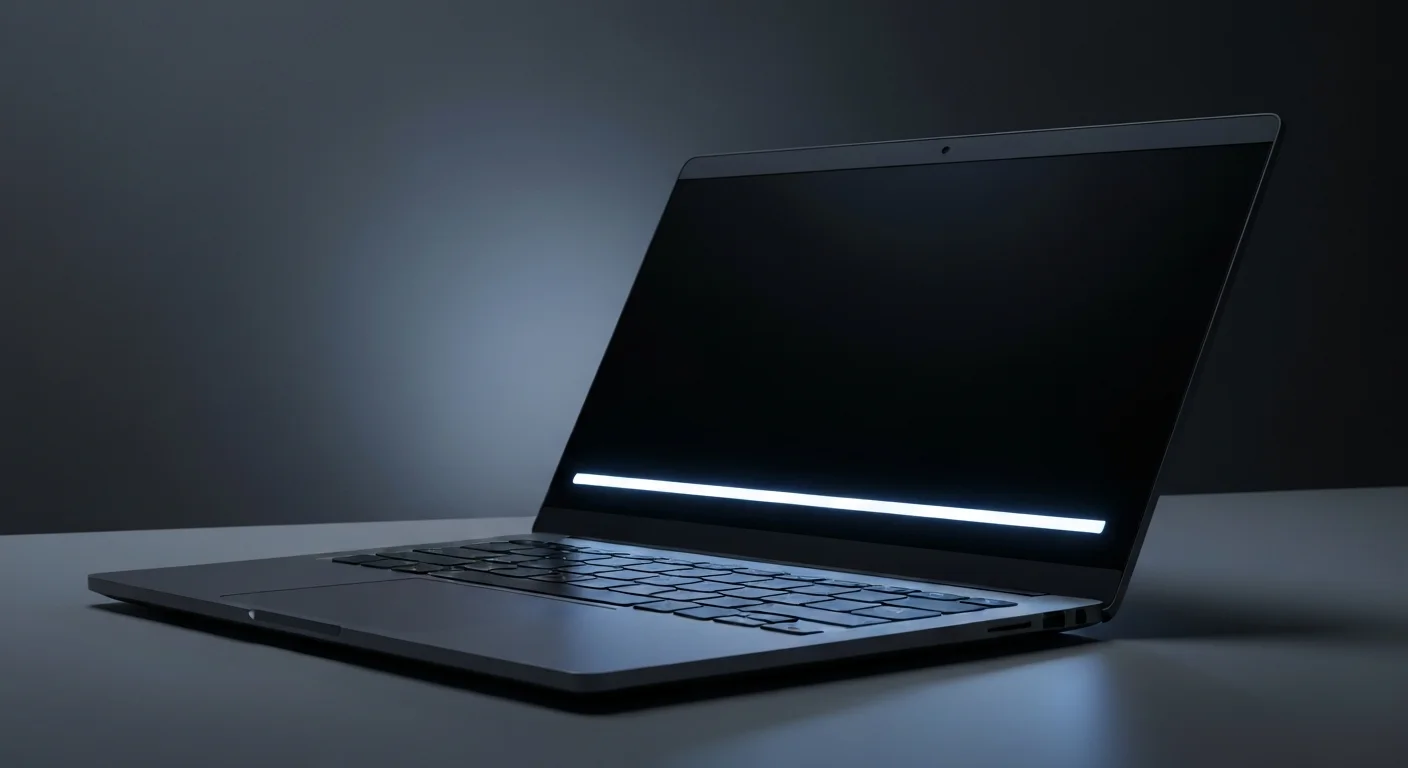
Google is also leaning on a piece of industrial design as a brand cue. Every Googlebook will carry what Google calls a "glowbar," described in the official post as "both functional and beautiful," a visible marker meant to distinguish the category from generic Windows or Android hardware.
A new category, not a refresh
For more than a decade, ChromeOS was Google's answer to the laptop question, optimized for browser-based workflows and education buyers. Googlebook reframes that bet. The platform fuses Android's app ecosystem with ChromeOS's web capabilities, but the organizing principle is Gemini rather than the browser. Coverage from outlets including TechCrunch, MacRumors and Android Central describes Googlebook as a premium tier sitting alongside, rather than immediately replacing, existing Chromebooks.
The ecosystem ambition is broader still. Google's Android Show this week also previewed Android XR glasses, Android Auto upgrades and the Gemini Intelligence rebrand that will land this summer on the Pixel 10 and Galaxy S26. Googlebook is the laptop-shaped piece of that strategy.
Implications
For PC makers, the announcement opens a new SKU lane at a moment when Microsoft is pushing Copilot+ PCs and Apple is preparing its own AI reset for the Mac. Acer, ASUS, Dell, HP and Lenovo all already ship Windows hardware; Googlebook gives them a second AI-native platform to court the same buyers, with Google handling the model layer.
For Google, the unanswered question is pricing and positioning. "Premium" is doing significant work in the announcement, and the company has not disclosed processors, battery targets or starting prices. With Google I/O opening May 19, more details on Gemini Intelligence and the underlying model generation powering Googlebook are expected within days.