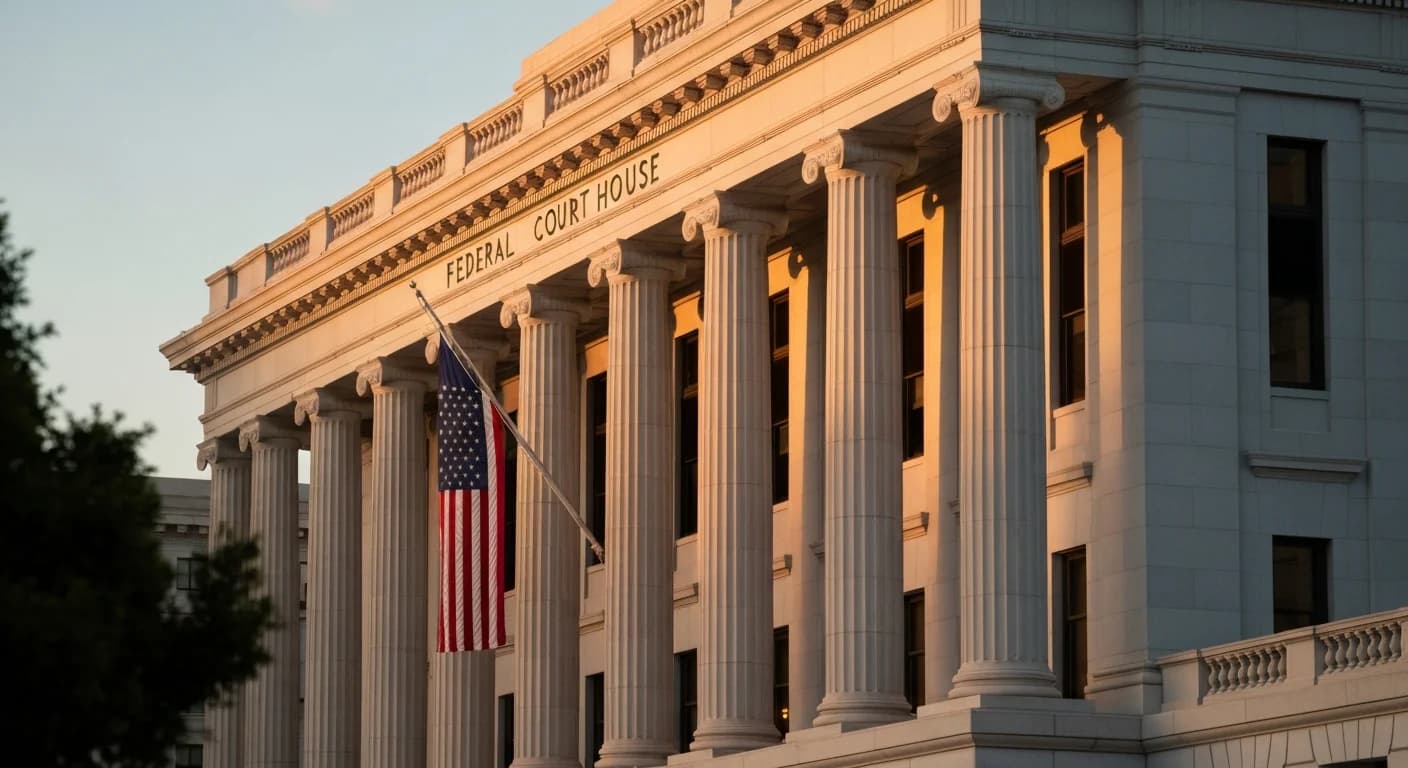
Closing arguments concluded Thursday in the federal courtroom of Judge Yvonne Gonzalez Rogers in Oakland, California, ending three weeks of testimony in Elon Musk's lawsuit against Sam Altman, Greg Brockman, and OpenAI. The nine-person jury is set to begin deliberations Monday on whether the defendants breached charitable-trust obligations when OpenAI evolved from a nonprofit research lab into a for-profit enterprise now valued in the hundreds of billions.
The jury's verdict will be advisory, meaning Judge Gonzalez Rogers will make the final ruling on liability. Musk is seeking to unwind OpenAI's 2025 restructuring, remove Altman and Brockman from their roles, and direct up to $134 billion in damages to OpenAI's nonprofit arm — an outcome that, if affirmed by the bench, would reshape the governance of one of the most valuable private companies in the world.
Both Sides Frame the Fight
In his closing, Musk's attorney Steven Molo argued that Altman and Brockman violated commitments to keep OpenAI a charitable enterprise. He attacked Altman's credibility, asking jurors: "Would you walk across that bridge?" if it were built on "Sam Altman's version of the truth."
OpenAI attorney Sarah Eddy countered that no enforceable promise was ever made to keep OpenAI a nonprofit in perpetuity, characterizing Musk's lawsuit as a competitive maneuver to hobble OpenAI on behalf of his rival xAI. She also argued that Musk filed only after the statutes of limitations had run on his strongest claims.
A Bruising Final Week for Altman
The defense's centerpiece was Altman himself, who took the stand Tuesday through Thursday. Cross-examined by Molo, Altman conceded under questioning — "Do you always tell the truth?" / "I'm sure there is some time in my life when I have not." He also acknowledged attempting to steer OpenAI toward purchasing power from Helion Energy, the fusion startup in which he holds a personal stake.
Former OpenAI chief scientist Ilya Sutskever and former CTO Mira Murati both testified earlier in the trial that Altman had lied to them — testimony the plaintiff's team leaned on heavily in closing. The defense countered with Microsoft CEO Satya Nadella and OpenAI board chair Bret Taylor, who framed the restructuring as essential to the company's ability to fund frontier model development.
What's at Stake for the Industry
A ruling against OpenAI would not just return billions to the nonprofit — it could force the unwinding of equity arrangements that underpin Microsoft's $13-plus billion investment, recently renegotiated commitments with cloud partners, and Altman's own compensation. Even with an advisory verdict, the bench ruling will set a precedent for how courts treat nonprofit-to-for-profit conversions in AI, where the gap between charitable origin and commercial scale has rarely been wider.
Deliberations begin Monday. A verdict is expected within the week.