The era of unregulated AI in hiring is ending. A convergence of regulatory deadlines and legal precedent is forcing companies worldwide to rethink how they deploy artificial intelligence in recruitment — or face steep consequences.
EU AI Act Sets Hard Deadline for Hiring Tools
Starting August 2, 2026, the EU AI Act's full suite of high-risk system obligations takes effect for employment-related AI. Every system used in recruitment, candidate screening, task allocation, and performance monitoring will be classified as "high-risk" under Annex III of the regulation.
That classification triggers a demanding compliance checklist: mandatory risk assessments, technical documentation, bias testing, human oversight mechanisms, transparency disclosures to candidates, and continuous monitoring throughout the system's lifecycle.
The penalties for falling short are severe. Companies that fail to meet their high-risk obligations face fines of up to 15 million euros or 3% of global annual turnover, whichever is higher. For multinational employers and HR technology vendors operating in EU markets, the countdown is now measured in weeks rather than months.
Workday Class Action Breaks New Legal Ground
Meanwhile, in the United States, the Mobley v. Workday case continues to reshape the legal landscape for AI hiring platforms. A federal judge in California's Northern District ruled in March 2026 that plaintiffs may bring disparate-impact age discrimination claims under the Age Discrimination in Employment Act, rejecting Workday's argument that the statute does not cover job applicants.
The case — now proceeding as a nationwide collective action — alleges that Workday's AI-powered screening tools systematically disadvantaged applicants over age 40. Judge Rita Lin rejected the company's reliance on the Supreme Court's Loper Bright decision, finding that prior precedent extending ADEA coverage to job applicants remained intact and that the EEOC's longstanding interpretation was persuasive.
Plaintiffs filed an amended complaint in late March adding California state claims and physical disability discrimination allegations, broadening the case's scope further.
What This Means for Employers
The dual pressure of EU regulation and US litigation is creating a compliance imperative that spans jurisdictions. Companies using AI in any part of the hiring pipeline now face three immediate priorities: auditing existing tools for bias, documenting decision-making processes, and ensuring meaningful human oversight at critical stages.
HR technology vendors are particularly exposed. The Workday ruling established that AI service providers — not just the employers using their tools — can face direct liability for employment discrimination under an "agent" theory. That precedent could reshape vendor contracts and liability allocation across the industry.
The Broader Trend
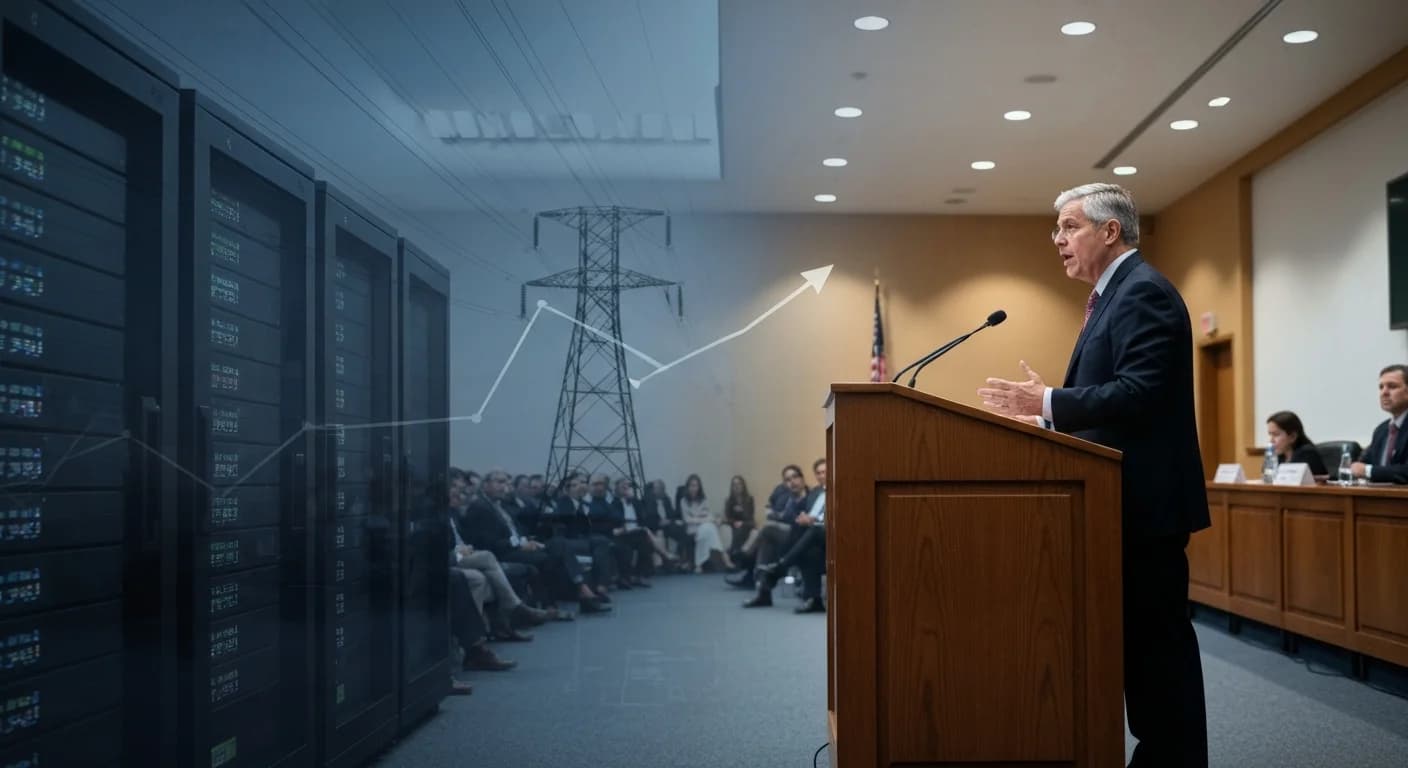
At the state level, Illinois lawmakers have been hearing testimony from industry stakeholders debating the best path to regulate AI, with the state Senate holding hearings on nearly 50 AI-related bills in April alone, reflecting a wave of legislative activity sweeping across the United States.
With the EU setting binding requirements and US courts opening the door to class-wide liability, the message for organizations deploying AI hiring tools is clear: the window for voluntary self-regulation has closed.