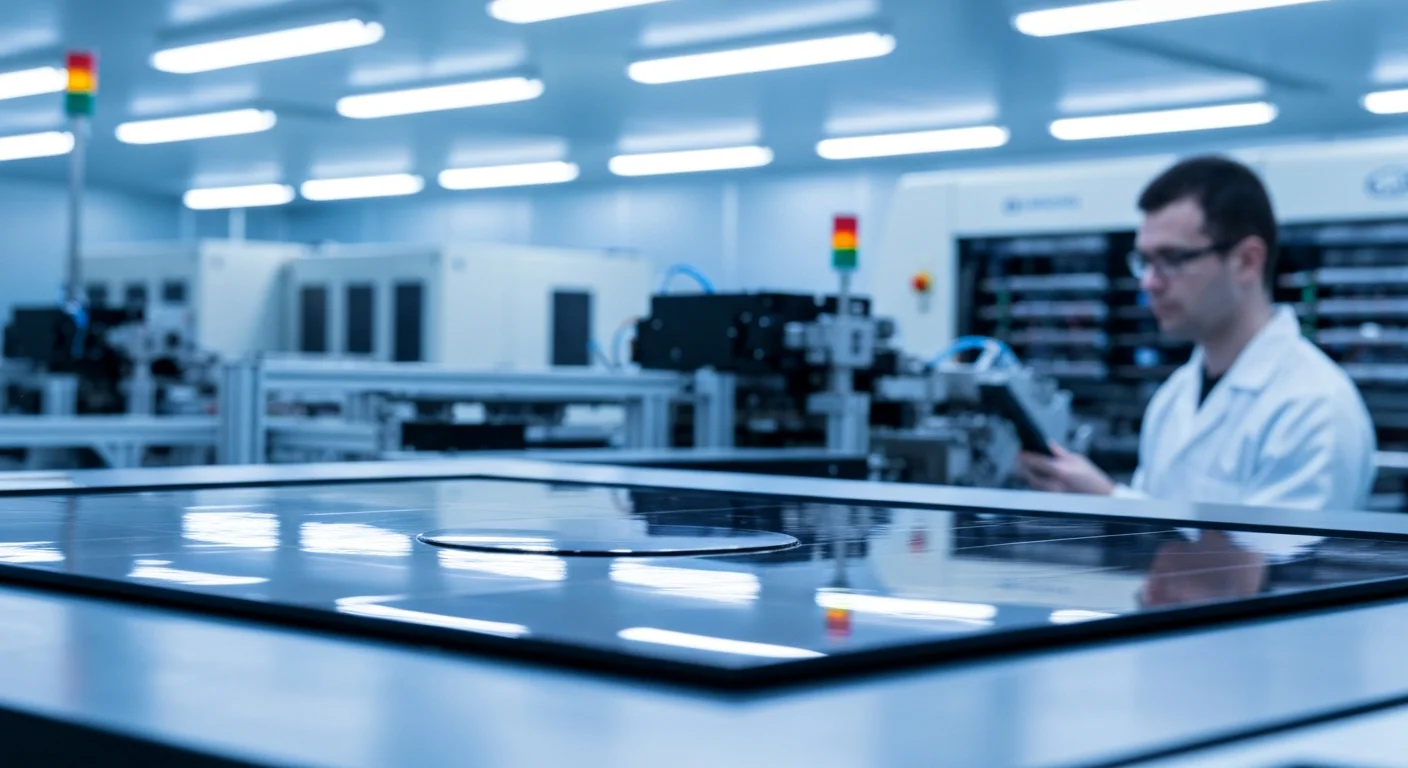
Cerebras Systems, the Sunnyvale-based builder of wafer-scale AI accelerators, filed its S-1 with the SEC on April 17, 2026, reviving an IPO attempt it was forced to abandon two years ago. The filing sets up a Nasdaq debut as soon as mid-May under the ticker CBRS, with Morgan Stanley leading an underwriting group reportedly targeting roughly $2 billion in proceeds at a valuation between $22 billion and $25 billion.
The timing is no accident. Cerebras is coming to market as the single loudest counter-argument to Nvidia's dominance of AI inference — and with a marquee customer contract to back the story up.
The financials
The S-1 shows 2025 revenue of $510 million and a non-GAAP net loss of $75.7 million, alongside GAAP net income of $237.8 million. That mix of real revenue scale and still-negative adjusted profitability is broadly in line with other AI-infrastructure companies that have priced IPOs in the last 18 months.
Cerebras was last valued at $23 billion after closing a $1 billion Series H round in February 2026, which followed a $1.1 billion Series G in 2025. Public-market pricing in the mid-$20B range would represent a modest step-up rather than a repricing.
Why it's filing now
Two commercial wins underpin the pitch. The first is a multi-year compute deal with OpenAI reportedly valued at more than $10 billion, described in reporting as the largest non-Nvidia AI infrastructure contract signed to date. The second is a deployment agreement with Amazon Web Services to run Cerebras inference chips in AWS data centers.
CEO Andrew Feldman was characteristically blunt about the competitive dynamic with Nvidia, telling reporters: "Obviously, [Nvidia] didn't want to lose the fast inference business at OpenAI, and we took that from them."
The G42 overhang — resolved
This is Cerebras's second attempt at going public. The company originally filed in 2024 but withdrew after its investment from Abu Dhabi-based G42 triggered an extended federal national-security review. The 2026 filing suggests that overhang has finally cleared, or at least been disclosed to underwriters' satisfaction.
What it means
For the AI-chip market, a successful CBRS debut would give public investors their first pure-play alternative to Nvidia at the frontier-inference layer — a segment that Groq, SambaNova, and several cloud-captive silicon teams are still racing to commercialize. For OpenAI, whose spending commitments now span multiple chip vendors, Cerebras becoming a public company adds another layer of disclosed financial dependency to an already intricate supply chain. And for Nvidia, it is the clearest signal yet that large inference customers are willing, and able, to split their compute budgets.
The roadshow starts next.