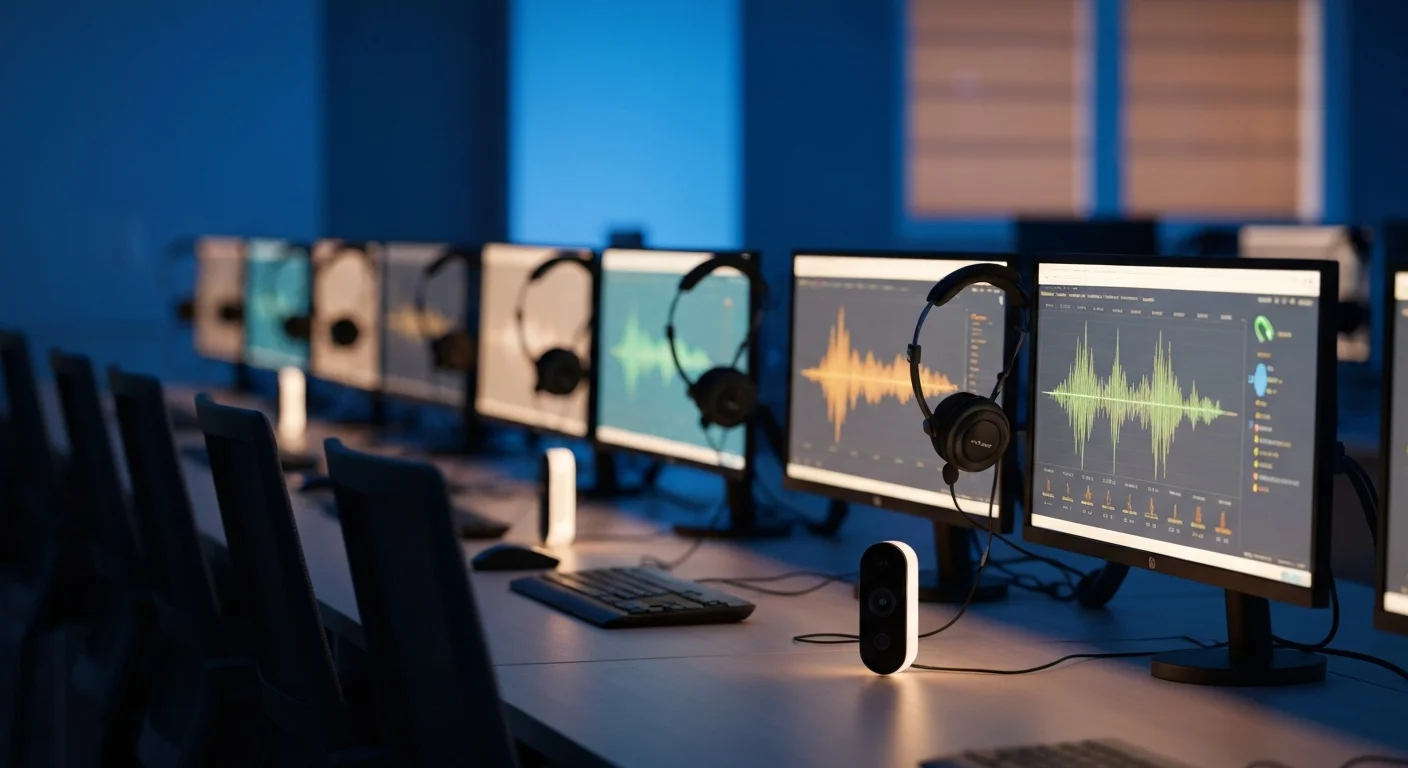
Wall Street is about to start treating computing power the way it treats crude oil and corn. On May 12, 2026, CME Group announced a partnership with Silicon Data to launch what the companies call the first compute futures market — exchange-traded contracts that let AI developers, cloud providers, traders and financial institutions hedge the price of GPU compute. The market is expected to launch later in 2026, pending regulatory review.
Turning an opaque cost into a tradable commodity
The contracts will be based on Silicon Data's indices, which the firm describes as the world's first daily benchmarks for on-demand GPU rental rates. Silicon Data — led by CEO Carmen Li and backed by global trading firm DRW — publishes real-time pricing indices, forward curves and performance benchmarks spanning GPUs, large language model tokens and related infrastructure.
The pitch is straightforward: compute pricing today is fragmented and opaque. Rates for the same class of GPU can vary sharply across providers, regions and contract structures, leaving companies that depend on compute — which is now most of the technology industry — exposed to swings they can't easily manage.
"As the backbone of the digital economy, compute is the new oil of the 21st century," CME Group Chairman and CEO Terry Duffy said in the announcement. DRW founder and CEO Don Wilson added: "It has been clear to me for some time that compute will become the largest commodity in the world."
Why a futures market matters now
Financial markets tend to build derivatives around inputs that are large, volatile and economically critical — and AI compute now checks all three boxes. Hyperscalers and AI labs are committing hundreds of billions of dollars to data centers, GPU clusters and multi-year cloud deals, while smaller AI startups buy capacity on the spot market at prices they have little ability to forecast.
A standardized futures contract would give those buyers a way to lock in costs months ahead, and give cloud operators and investors a tool to manage the other side of that risk. Li said partnering with CME brings "the scale, market structure and credibility needed to help transform compute from an opaque operational cost into a more mature and risk-manageable financial market."
Implications
If the contracts gain traction, compute futures could become a closely watched barometer of AI demand — a public, market-priced signal of how tight GPU supply really is, sitting alongside chipmaker earnings and hyperscaler capex disclosures. It would also deepen the financialization of AI infrastructure, following moves like Robinhood's retail venture funds and a wave of debt financing tied to data centers.
The launch still hinges on regulatory clearance, and a new contract only matters if enough participants trade it. But the attempt itself underscores how central raw computing capacity has become to the economy — important enough that the world's largest derivatives exchange now wants a market for it.