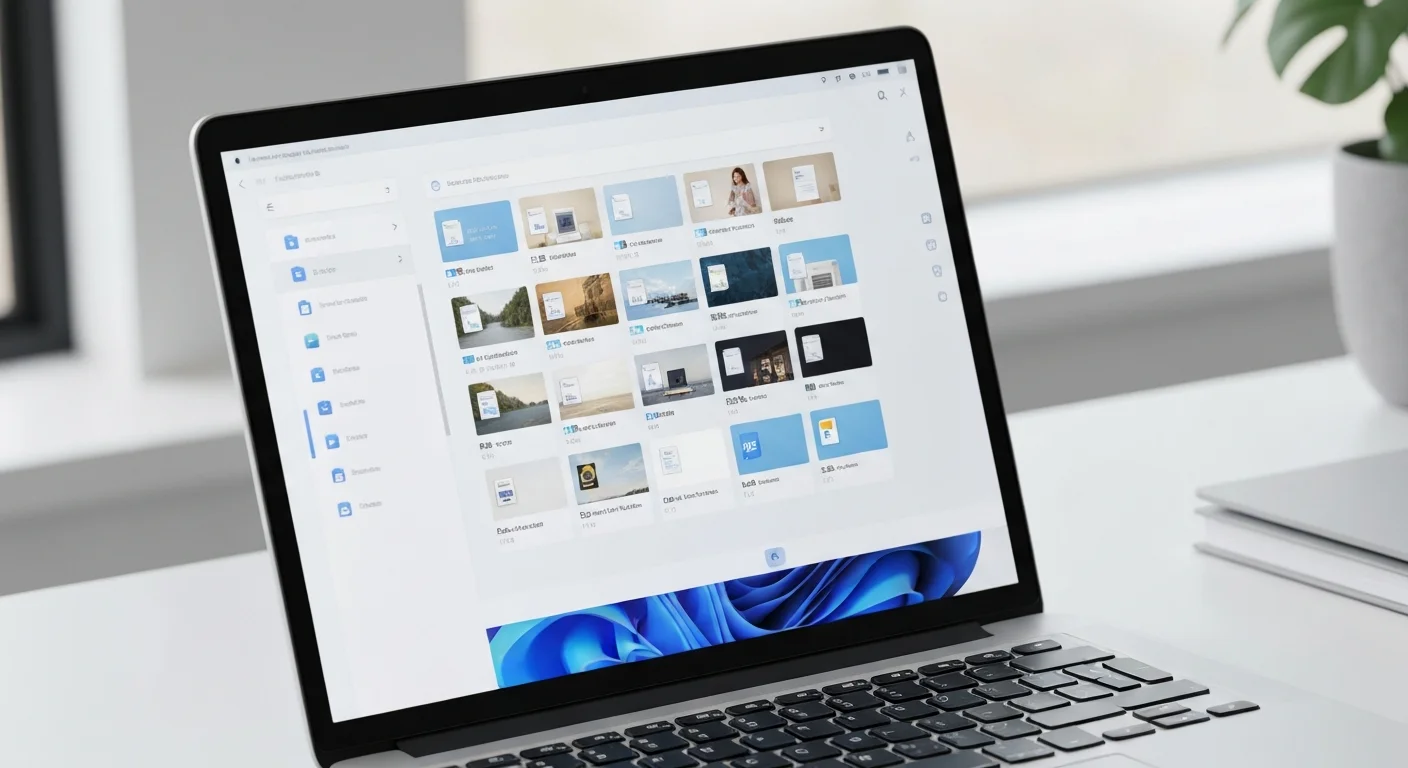
OpenAI is rolling out a meaningful quality-of-life upgrade to ChatGPT's file handling, introducing a new Library tab and file toolbar that make it substantially easier to manage uploads across conversations. The update began rolling out globally on March 25, 2026, to Plus, Pro, and Business subscribers.
What's New
The centerpiece of the update is a Library tab in the ChatGPT sidebar. Previously, files uploaded during one conversation were effectively siloed — if you wanted to reference the same document in a new chat, you'd need to re-upload it. The Library tab consolidates all uploaded and generated files in a single, browsable location.
Alongside the Library, OpenAI has added a file toolbar that surfaces recently used files directly within any conversation. Users can pull a document back into context with a tap rather than hunting through their file system. The toolbar also enables users to ask questions about previously uploaded files without needing to re-attach them.
Why It Matters
For users who rely on ChatGPT for document-heavy tasks — research, contract review, code analysis, or data exploration — the friction of re-uploading the same files across multiple sessions has been a persistent frustration. The Library addresses this directly, making ChatGPT's file capabilities feel more like a persistent workspace and less like a single-session tool.
This is particularly relevant for Business subscribers who might share documents across team workflows, or Pro users running extended research projects where the same reference materials come up repeatedly.
The Rollout
OpenAI says the feature is rolling out globally, with users in the EU, Switzerland, and the UK on a slightly delayed timeline due to regulatory requirements. The company expects the feature to reach those regions soon.
The update arrives as OpenAI continues to invest in making ChatGPT more useful for sustained, multi-session work rather than one-off queries. Recent months have seen the platform add persistent memory, Projects for organizing conversation history, and richer tool integrations — all pointing toward a vision of ChatGPT as a long-running productivity layer rather than a question-and-answer interface.
Broader Context
OpenAI recently reported that ChatGPT now has approximately 900 million weekly users, making file management improvements meaningful at enormous scale. Even incremental friction reductions can translate to significantly better outcomes for a user base of that size.
The file library also positions ChatGPT more directly against tools like Notion AI and document-centric AI assistants that have built their products around persistent, organized knowledge bases. As the AI assistant category matures, the ability to maintain context across sessions — not just within them — is becoming a key differentiator.