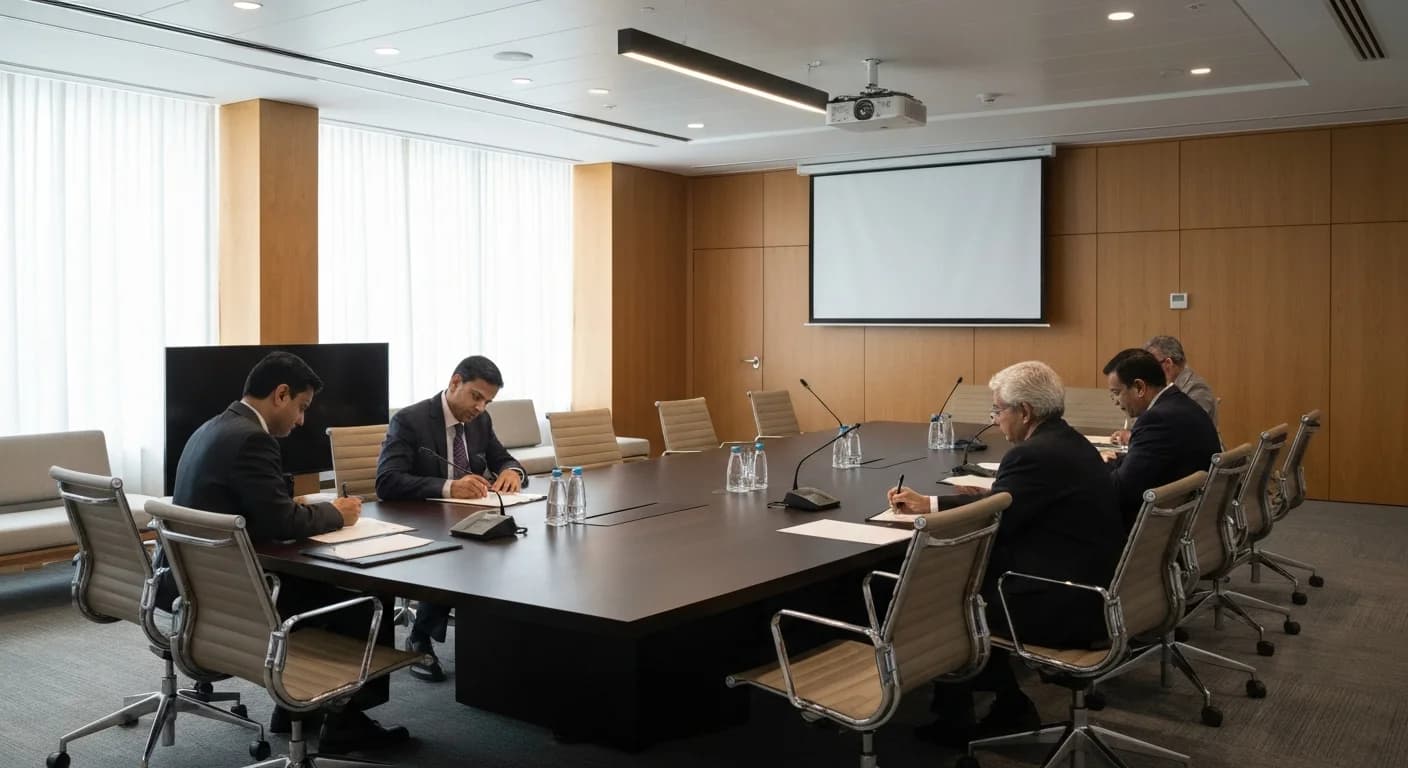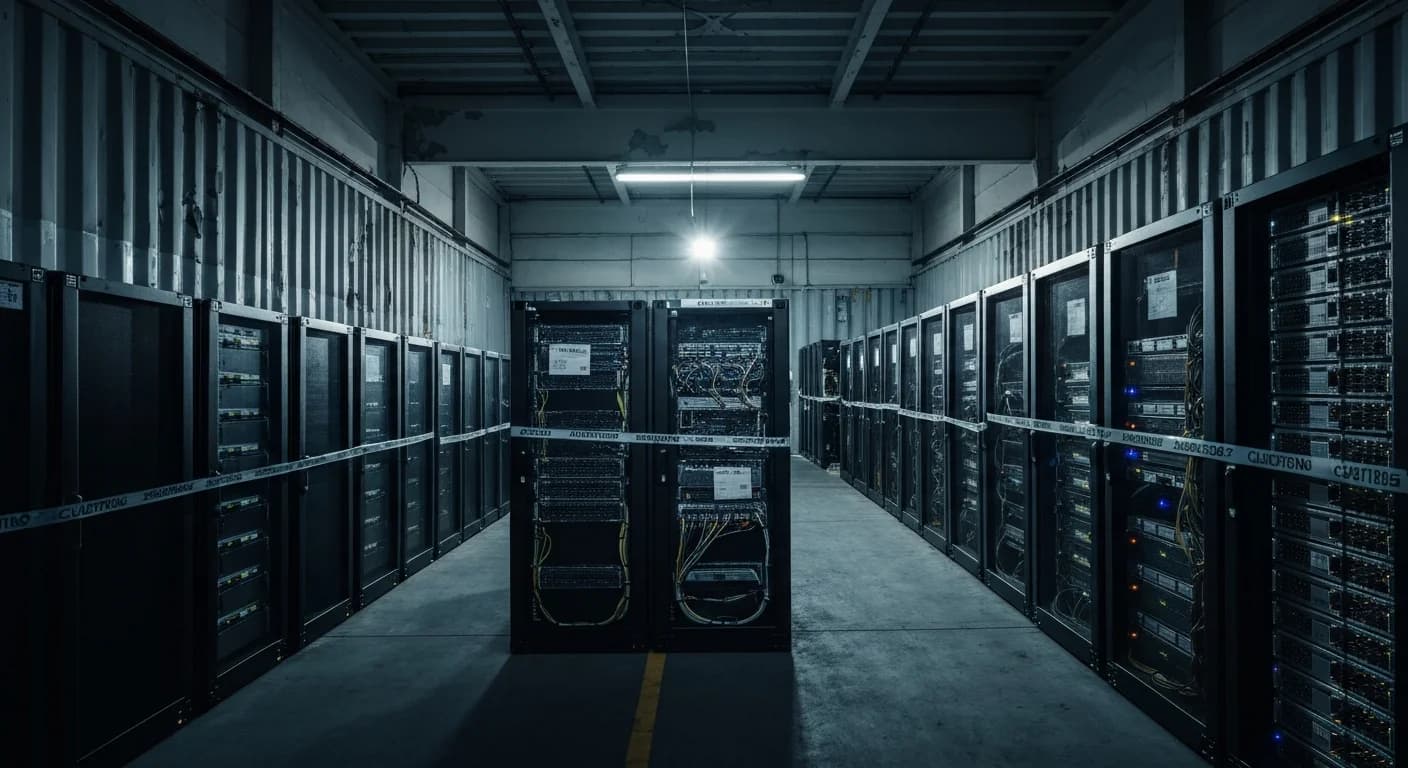
The US Department of Justice has initiated its highest-profile crackdown on AI technology smuggling, charging Super Micro Computer co-founder Yih-Shyan "Wally" Liaw and two associates with illegally diverting billions of dollars in Nvidia-powered servers to China in violation of export control laws.
The indictment, filed by the US Attorney for the Southern District of New York, alleges that Liaw, along with Ruei-Tsang "Steven" Chang and Ting-Wei "Willy" Sun, conspired to sell $2.5 billion worth of servers containing restricted Nvidia chips to a company based in Southeast Asia. That company then allegedly repackaged the shipments and forwarded $510 million worth of servers with banned chips to end users in China.
Elaborate Concealment Tactics
The scheme described by prosecutors reads like a spy thriller. Officials allege that the three defendants took extensive measures to hide their activities from both US export control authorities and the server manufacturers themselves.
Among the most striking details: the defendants allegedly used hair dryers to remove labels and serial numbers from the real servers and affixed them to dummy machines, which were left behind while the genuine hardware was shipped to China. The indictment also describes false documents, staged equipment, and convoluted transshipment routes designed to obscure the final destination of the technology.
Market Impact and Board Departure
The charges sent shockwaves through financial markets. Super Micro shares plunged 33% following the announcement, erasing billions in market capitalization. Liaw, who co-founded the company, resigned from the board of directors after the charges were filed.
Liaw and Sun were arrested, while Chang, a Taiwanese citizen, remains a fugitive. Each defendant faces up to 30 years in prison across three charges: conspiring to violate the Export Controls Reform Act, conspiring to smuggle goods from the US, and conspiring to defraud the United States.
Broader Export Control Enforcement
The case highlights the growing enforcement intensity around US export controls on advanced AI hardware, which have been in place since October 2022. The Commerce Department's Bureau of Industry and Security restricts the sale of advanced computing chips and servers containing them to China, citing national security concerns.
For the AI industry, the prosecution sends a clear message that the US government is willing to pursue criminal charges at the highest corporate levels to enforce its technology restrictions. With AI chips at the center of the US-China technology competition, the case is likely to prompt increased scrutiny of supply chains across the semiconductor industry.