Apple accidentally activated its long-awaited Apple Intelligence features for iPhone users in mainland China last week — then swiftly pulled them back. What should have been an unremarkable backend glitch is now drawing scrutiny from regulators and industry watchers who say the slip could carry real legal consequences.
A Brief, Unauthorized Preview
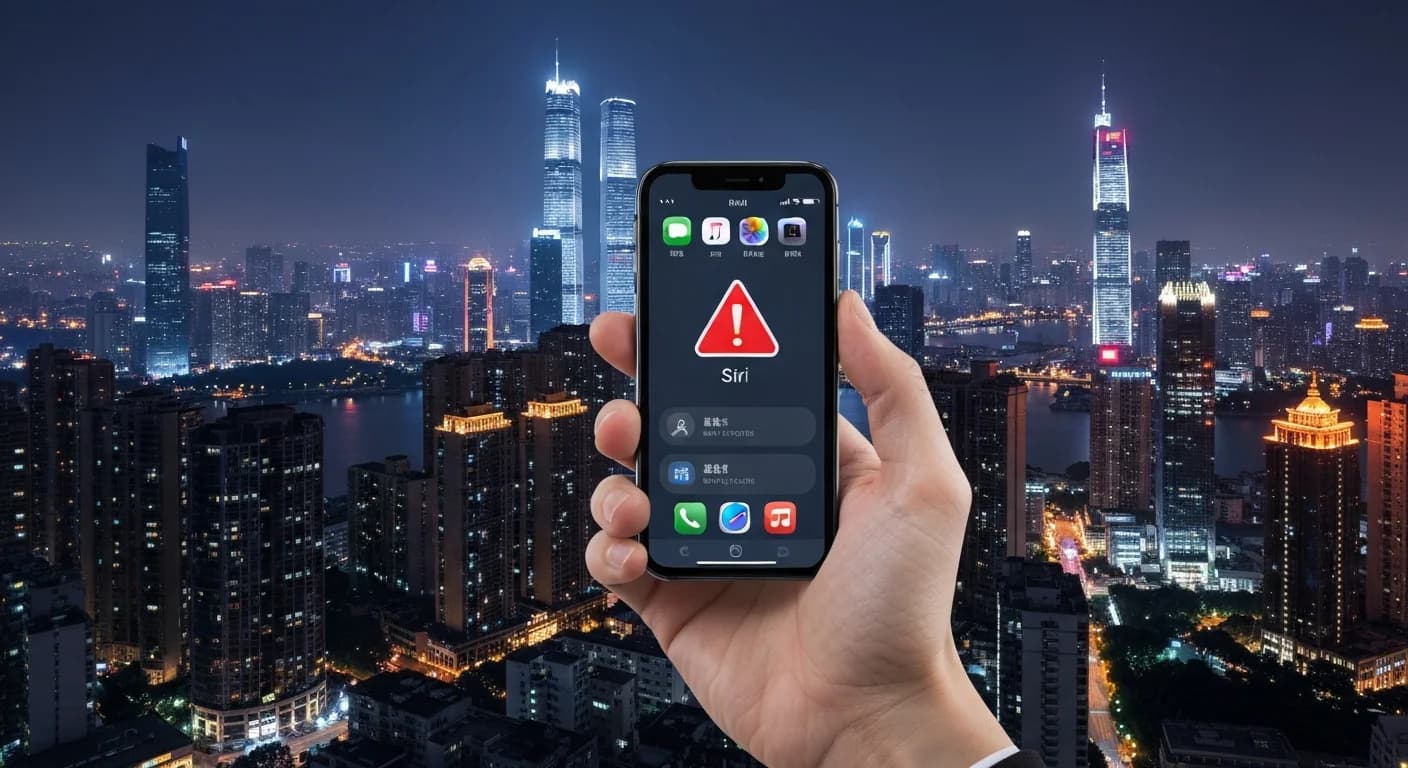
In the early hours of March 30, Chinese iPhone users began noticing something unexpected: Apple Intelligence features, carrying a beta label, were suddenly available on their devices. The update included AI-enhanced Siri capabilities, real-time translation, photo editing tools, and writing utilities — the full suite of features Apple has been rolling out globally since late 2024.
Users documented the experience on Chinese social media before Apple pulled the release. Bloomberg's Mark Gurman confirmed the launch was unintentional, describing it as an "error" that Apple quickly corrected.
Why the Error Matters in China
In most markets, an accidental beta rollout would be a minor incident. In China, it's legally significant.
China requires AI service providers to complete a security evaluation and file their algorithms with regulators before offering AI-powered products to Chinese users. Apple has been working through that process — which involves partnering with a local company, reportedly Alibaba, to power AI features domestically — but has not yet received approval.
By pushing Apple Intelligence to Chinese users before completing those steps, Apple "provided a service without fulfilling legal compliance obligations," according to legal experts cited by the South China Morning Post. That exposure remains even though Apple pulled the features quickly.
Regulatory Backlash Risk
The stakes are high. China is Apple's third-largest market and a crucial part of its global supply chain. Any deterioration in the company's relationship with Chinese regulators — already strained by the ongoing requirement to use local AI partners rather than its own infrastructure — could have outsized consequences.
Apple's accidental rollout is the kind of incident that gives regulators a pretext for scrutiny. Whether Beijing chooses to act on it or treat the incident as an honest mistake will say a great deal about how it views Apple's compliance posture going into the formal approval process.
What's Next
Apple has not publicly commented beyond Gurman's characterization of the event as an error. The company is expected to launch Apple Intelligence in China through its Alibaba partnership once regulatory approvals are secured — a timeline that remains unclear.
For now, the accidental preview has given Chinese users a brief taste of features that have been standard elsewhere for over a year. The question is whether it cost Apple something in the process.
For background on the Apple Intelligence features Chinese users glimpsed, see our earlier coverage of Apple's Gemini-powered Siri rebuild and Apple's LLM-powered Siri delays. For the original report on the accidental launch and the regulatory backdrop, see our coverage of Apple Intelligence going live in China before getting pulled within hours.