Ericsson reported first-quarter 2026 results on April 17 that fell short of Wall Street expectations, with CEO Börje Ekholm blaming rising semiconductor costs tied to AI demand as a core drag on profitability. The Swedish networking giant's earnings miss is one of the clearest signals yet that the AI infrastructure boom is rippling into industries far beyond the data center.
Earnings Miss the Mark
Ericsson posted quarterly sales of 49.3 billion Swedish kronor (roughly $5.4 billion), down 10% year-over-year in reported terms but up 6% organically across all segments. Earnings per share came in at just 3 cents, well below the 12-cent consensus estimate. Net income tumbled 79% to SEK 887 million, and adjusted EBITA slipped 20% to SEK 5.6 billion. Adjusted gross margin edged lower to 48.1% from 48.5% a year earlier.
Free cash flow was a bright spot, rising to SEK 5.92 billion from SEK 2.70 billion in the prior-year quarter. The board also approved a 15 billion kronor share buyback.
AI Chip Demand Squeezes Traditional Buyers
In prepared remarks, Ekholm flagged "rising input costs, particularly in semiconductors, driven partly by AI demand" as a central headwind. Memory chips were singled out specifically. Management warned that cost pressures from components such as memory will continue to weigh on margins through 2026 and said the company is "addressing these pressures by collaborating with customers and suppliers, as well as improving efficiency."
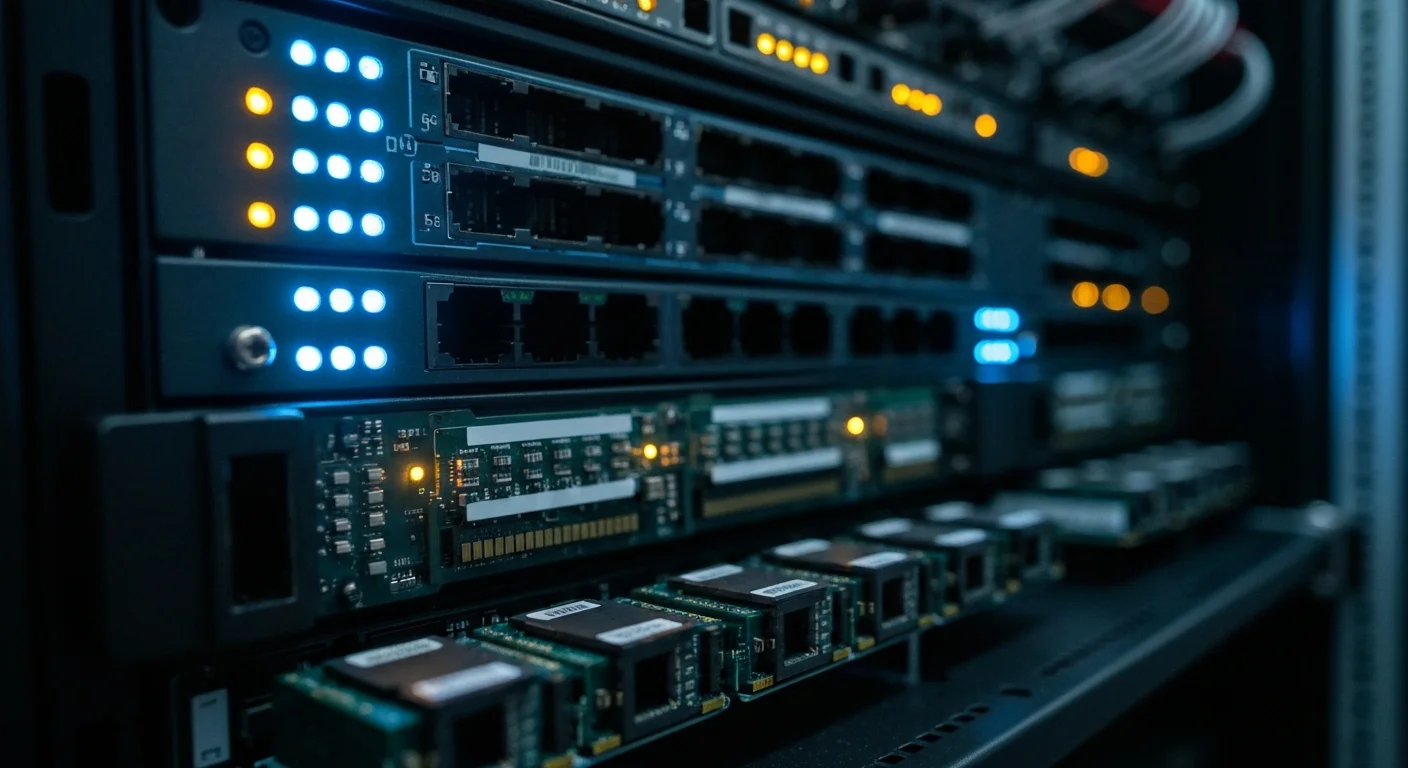
The dynamic reflects a structural shift reshaping the electronics supply chain. Hyperscalers including Microsoft, Google, Amazon, and Meta are absorbing high-bandwidth memory and advanced logic chips at unprecedented rates to stand up AI training and inference capacity. That has tightened supply and lifted prices for more traditional chip buyers — including vendors that build base stations, routers, and enterprise networking gear.
A Broader Ripple Effect
Ericsson's results echo warnings from other hardware-heavy companies caught in the indirect wake of the AI build-out. HBM and DRAM spot prices have climbed sharply through early 2026 as memory suppliers prioritize AI customers. Networking and telecom equipment vendors, which often rely on mature-node silicon and standard DDR memory, now compete for capacity alongside AI server manufacturers.
For Ericsson specifically, the semiconductor squeeze is compounded by a North America market unwinding from a cyclical peak and currency swings that shaved double digits off reported revenue.
What to Watch
Ekholm said Ericsson will rely on pricing adjustments and tighter supplier relationships to absorb the 2026 cost shock, but investors will scrutinize whether margins recover before the AI chip crunch eases. Broader infrastructure players — from automotive semiconductors to industrial automation vendors — may face a similar test. The Ericsson print is an early data point suggesting that the real cost of building AI is beginning to surface on income statements well beyond Silicon Valley.