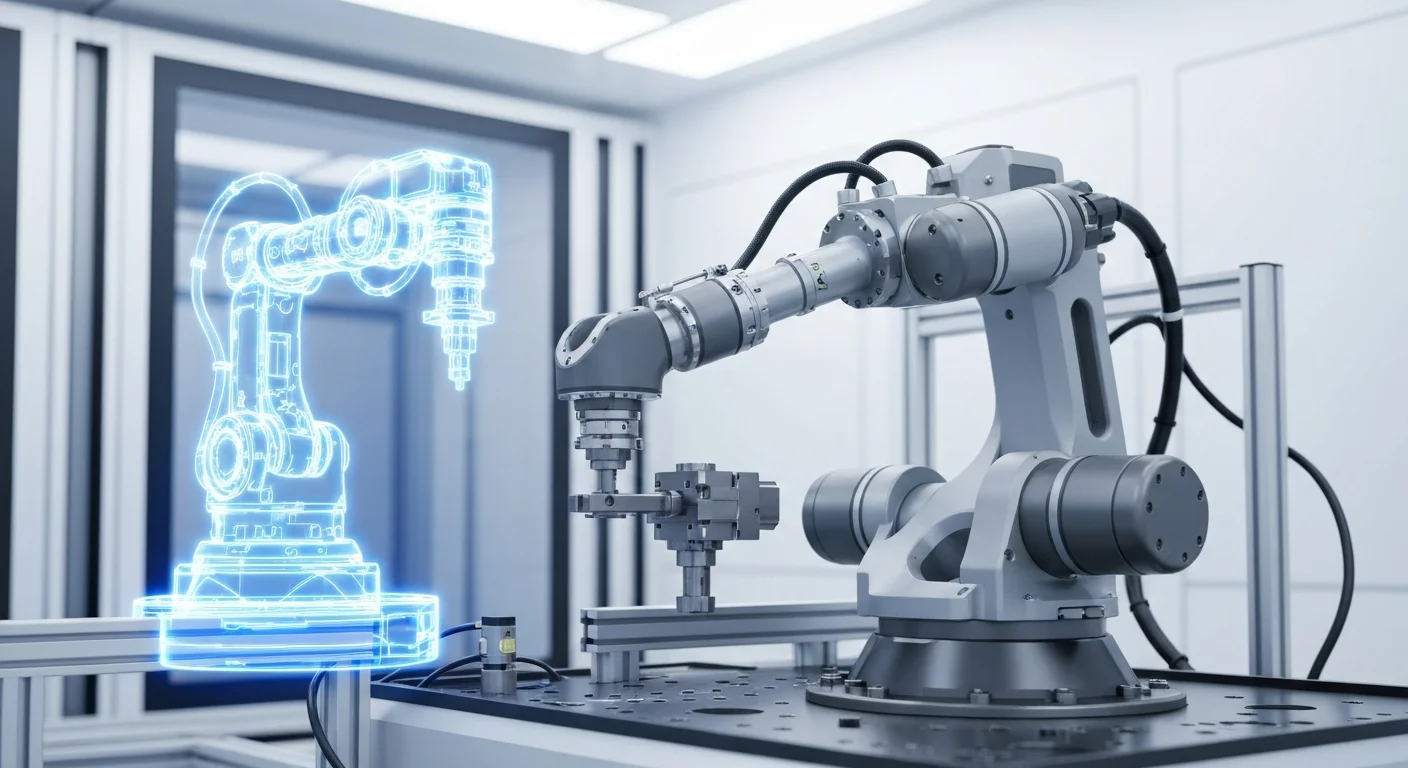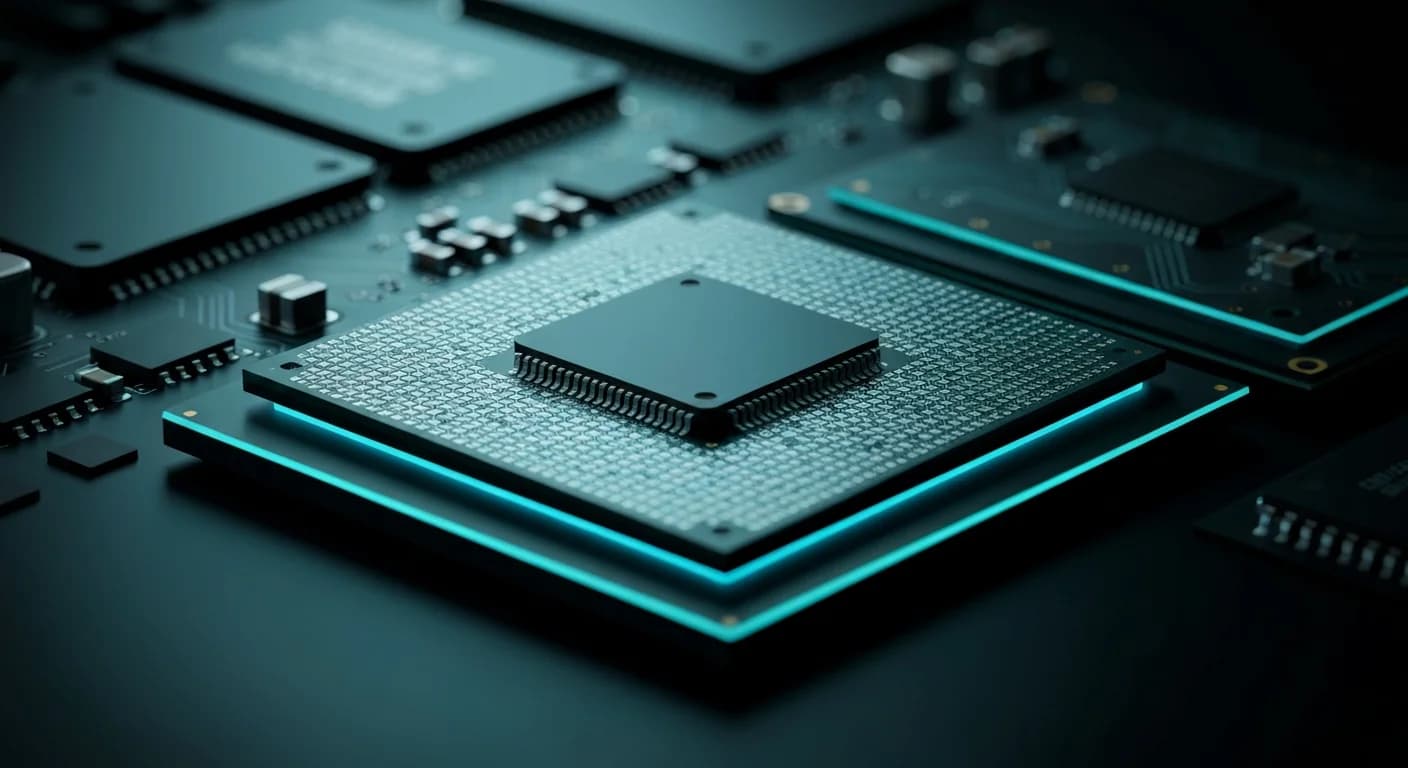
Horizon Robotics today unveiled Xingkong, which the company is positioning as China's first cockpit-driving fusion agent chip. Founder and CEO Yu Kai announced the part at the Smart EV Development Forum, framing it as the next step in a broader transition of automotive computing 'from distributed to central integration.'
The launch follows an April 11 teaser from Yu Kai, but today is the official product unveiling. Reports referring to the chip in English have used the codename 'Stellar'; the Chinese name is Xingkong.
One chip, two domains
Until now, most premium Chinese EVs have run their intelligent cockpit and autonomous-driving stacks on two separate processors, sitting inside two distinct domain controllers, each with its own memory subsystem. Xingkong consolidates that architecture into a single chip and a unified central domain controller.
Horizon's pitch is mechanical as much as it is computational. Merging the two domains simplifies wiring harnesses, eases thermal management, and combines memory pools, addressing one of the most painful cost lines on a modern EV bill of materials. The company estimates the integration saves between 1,500 and 4,000 yuan per vehicle versus the dual-chip approach, a meaningful cushion as automotive DRAM and HBM prices have climbed throughout 2026.
Why Horizon, why now
Horizon Robotics is not a household name outside China, but inside it the company has quietly become the dominant supplier of automotive AI silicon. According to figures shared at the launch, Horizon shipped 4.01 million Journey-series processors in 2025, a 38.8% year-on-year increase. Revenue reached 3.758 billion yuan, up 57.7%, with automotive accounting for 94.6% of the total at a 67.2% gross margin.
The company estimates roughly half of China's L2 ADAS systems run on its chips and that it ranks among the top three suppliers for Navigate on Autopilot (NOA) functions. Unlike Nvidia's Drive platform, which sells directly to OEMs, Horizon operates a Tier 2 open ecosystem: more than 95% of revenue flows through partner Tier 1 suppliers and automakers rather than direct OEM contracts.
A nudge toward 'physical AI' architectures
Yu Kai used the launch to argue that automakers should reorganize internally, merging their cockpit and autonomous-driving teams to take full advantage of fused-domain silicon. That message lines up with comments earlier this month from Horizon VP Lu Peng at the same forum, who described the 'physical AI era' as one that requires a super platform on which vehicle intelligent agents can evolve.
For Chinese OEMs squeezed between rising memory costs and a brutal price war, a single chip that runs both the dashboard and the driver-assist stack is a tempting answer. For Nvidia, which has spent the last year pushing its Drive Thor platform as the default 'central brain' for next-generation vehicles, Xingkong is a clear signal that the cockpit-plus-driving consolidation race now has a credible domestic Chinese contender.