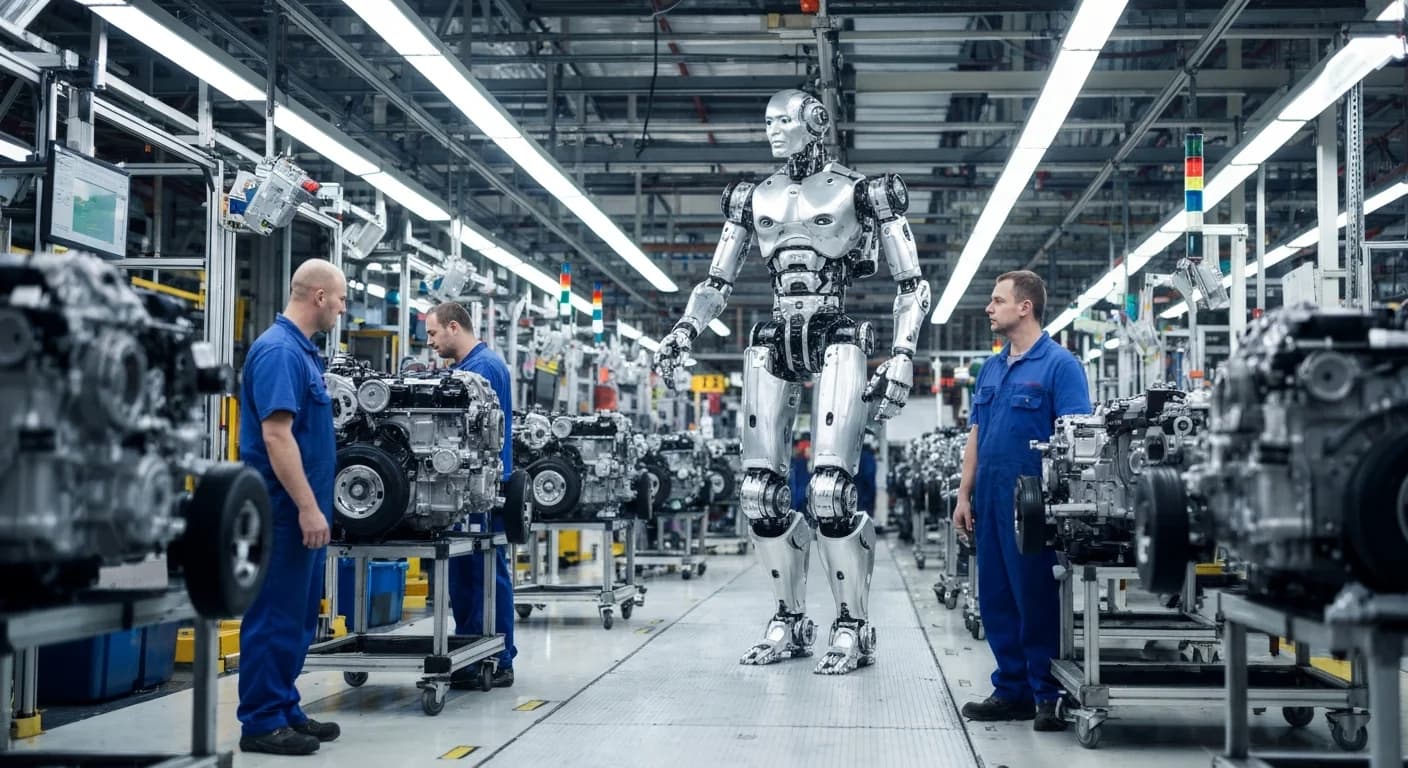
Figure AI has begun commercial deployment of its Figure 03 humanoid robots at BMW's manufacturing plant in Spartanburg, South Carolina. Fifty robots are now operating across two production lines, marking what both companies call the first large-scale deployment of general-purpose humanoid robots in automotive manufacturing.
What the Robots Do
The Figure 03 units handle three categories of tasks at the Spartanburg plant: material transport between stations, visual quality inspection of assembled components, and light assembly operations including inserting clips, routing cables, and placing trim pieces.
Each robot stands 5 feet 6 inches tall, weighs 130 pounds, and can carry up to 45 pounds. They navigate the factory floor autonomously using a combination of lidar, stereo cameras, and a foundation model trained on millions of hours of factory video. When they encounter a situation outside their training — an unexpected obstacle, an unfamiliar part orientation — they stop and request human assistance rather than guessing.
"These are not pre-programmed industrial arms," said Brett Adcock, Figure AI CEO. "They see, they reason, and they adapt. That's what makes them general-purpose."
Why BMW
BMW has been Figure AI's development partner since 2024, providing factory access for training data collection and real-world testing. The Spartanburg plant was chosen because it is BMW's largest factory by volume, producing over 1,500 vehicles per day, and because it has persistent labor shortages in material handling roles.
BMW says the robots are not replacing existing workers. They are filling positions that the company has been unable to staff consistently. The plant has had over 200 unfilled manufacturing positions for the past 18 months.
The Business Model
Figure AI is not selling robots to BMW outright. The deployment uses a robotics-as-a-service model where BMW pays an hourly rate per robot. Figure AI handles maintenance, software updates, and replacements. The company says the hourly rate is approximately 60% of the fully loaded cost of equivalent human labor, including benefits, training, and turnover costs.
This model lowers the adoption barrier for manufacturers and gives Figure AI a recurring revenue stream. The company says it plans to offer the same model to other automotive and logistics customers.
Scale-Up Plans
The initial 50-unit deployment is a structured pilot. Figure AI and BMW have agreed to performance benchmarks covering uptime, task completion rate, and safety incidents. If the robots meet these targets over a six-month evaluation period, BMW will expand to 200 units across additional production lines by the end of 2026.
Figure AI has raised over $2 billion in total funding and says it is in discussions with three other major manufacturers for similar deployments. The company's thesis is that general-purpose humanoid robots will reach cost parity with human labor in manufacturing settings by 2028.
Industry Impact
The deployment is being watched closely across the manufacturing sector. If Figure AI's robots perform reliably at scale, it validates the humanoid form factor for factory work — a proposition that has been promised and delayed for decades. Toyota, which has its own robotics program, and Tesla, which is developing the Optimus humanoid, are both pursuing similar goals but have not yet announced commercial factory deployments.