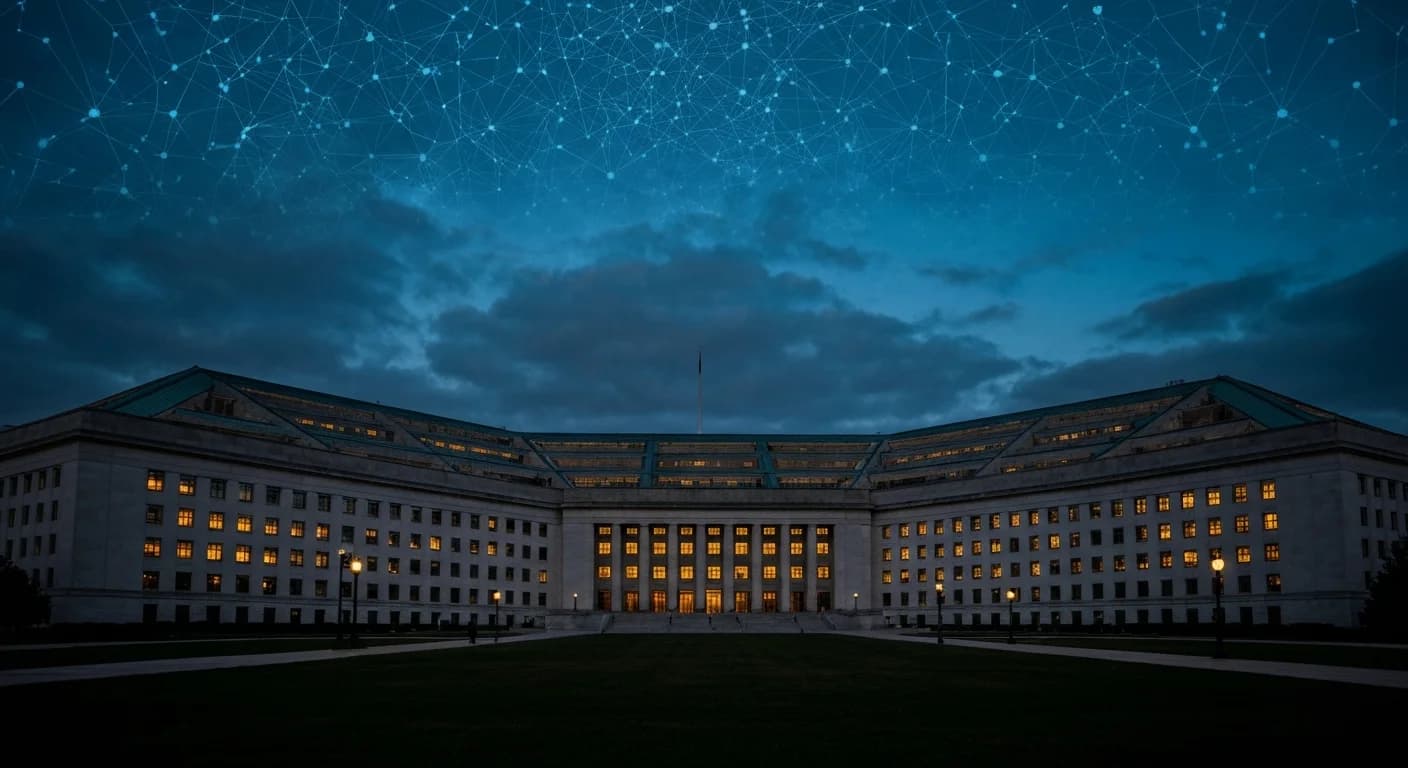
The rivalry between OpenAI and Anthropic reached a new peak this week after the Department of Defense awarded a major AI contract to OpenAI — one that Anthropic had walked away from over ethical red lines.
What Happened
The dispute centers on a $200 million contract originally negotiated between Anthropic and the Pentagon. According to multiple reports, Anthropic CEO Dario Amodei raised objections to a clause that would have granted the military unrestricted access to Claude for "any lawful use." Amodei insisted on explicit language prohibiting domestic mass surveillance and fully autonomous weaponry.
When negotiations broke down, the Department of Defense canceled the Anthropic deal and labeled the company a "supply-chain risk." Within days, OpenAI stepped in to fill the gap.
OpenAI's Position
Sam Altman acknowledged that the initial optics of the deal "looked opportunistic and sloppy" but defended the amended contract in a CNBC interview. OpenAI says its agreement includes stronger guardrails than the original Anthropic deal: deployment is limited to cloud-only infrastructure, the company's safety systems remain intact, and cleared OpenAI personnel stay in the loop on all sensitive applications.
The contract also now contains explicit language preventing ChatGPT from being used for mass surveillance of the American public — a provision added after significant public backlash.
Anthropic Fires Back
Amodei has not taken the loss quietly. In an internal message to Anthropic staff that was later reported by TechCrunch, Amodei called OpenAI's safety claims "safety theater" and their public messaging "straight up lies." He argued that cloud-only deployment does not meaningfully prevent misuse and that OpenAI's guardrails are weaker than what Anthropic had proposed before walking away.
The back-and-forth escalated further when a senior Pentagon official reportedly called Amodei a "liar" with a "God complex" — language that drew sharp criticism from AI ethics researchers and civil liberties organizations.
Broader Implications
The dispute has reignited the debate over whether frontier AI companies should work with military and intelligence agencies at all. Several advocacy groups, including the Center for American Progress, have called on Congress to establish clearer legislative guardrails for government AI procurement.
Meanwhile, the controversy appears to be influencing consumer behavior. Reports suggest a noticeable migration of both individual users and businesses from ChatGPT to Claude, driven by Anthropic's perceived commitment to safety principles — even at the cost of a lucrative government contract.
As the dust settles, one thing is clear: the question of where to draw ethical lines in AI deployment is no longer theoretical. It is a $200 million business decision with real consequences for the companies involved and the public they serve.